






What's Happening?
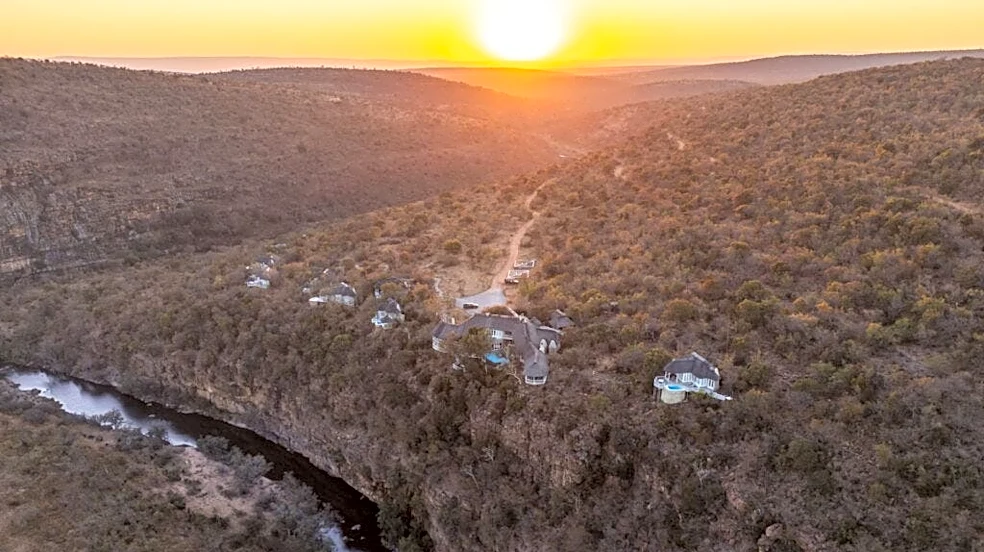
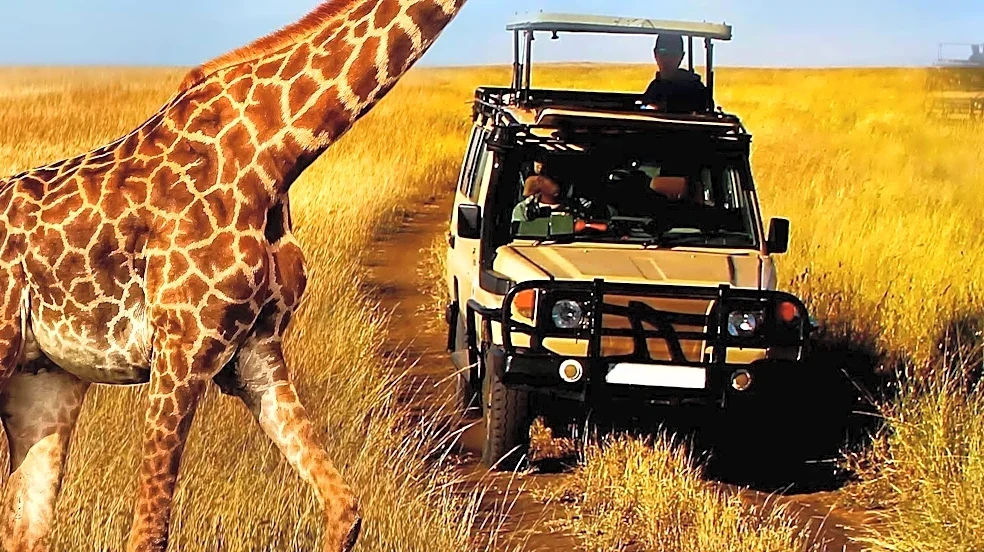
The Serengeti National Park, located in northern Tanzania, is a vast protected savannah spanning 14,763 square kilometers. It is renowned for hosting the Great Wildebeest Migration, a continuous, clockwise movement of approximately 1.5 million wildebeest,
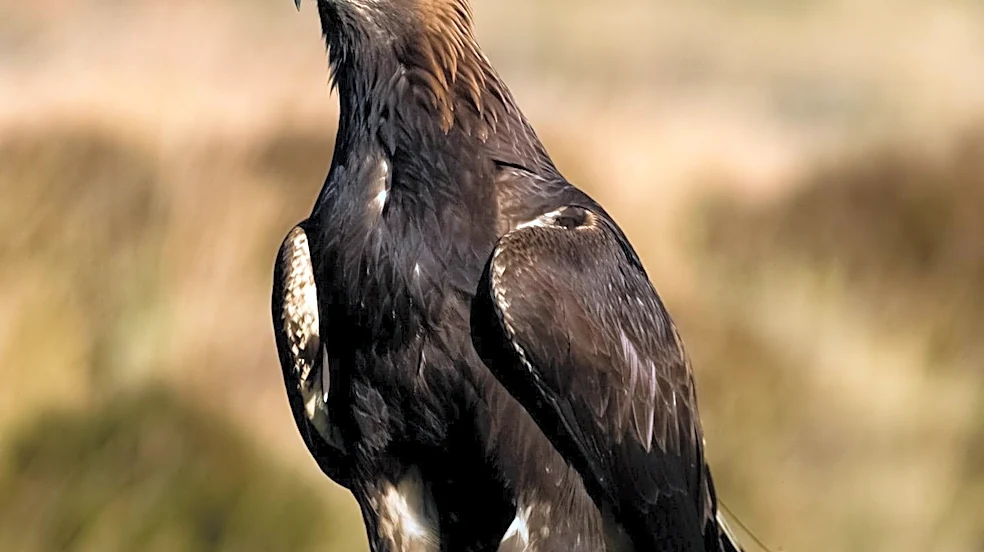
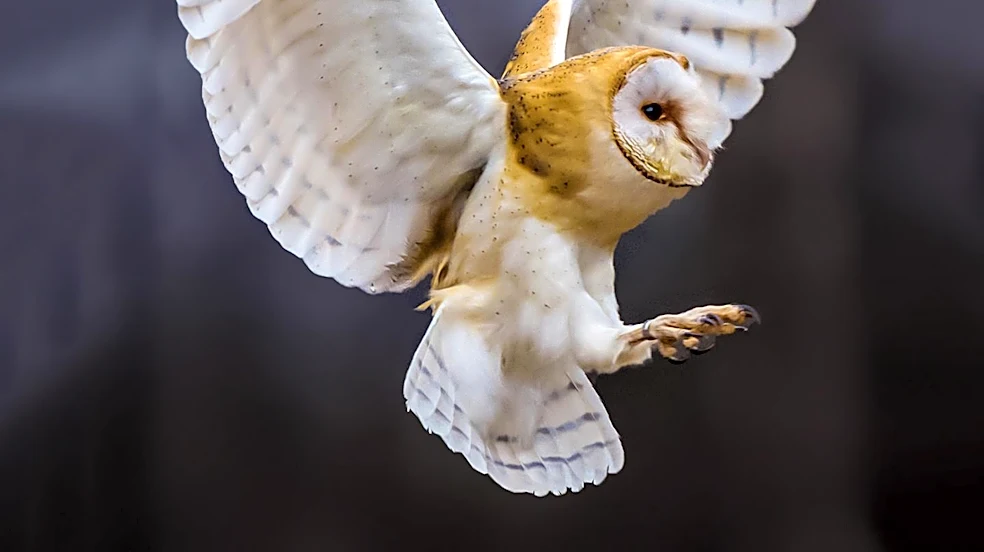
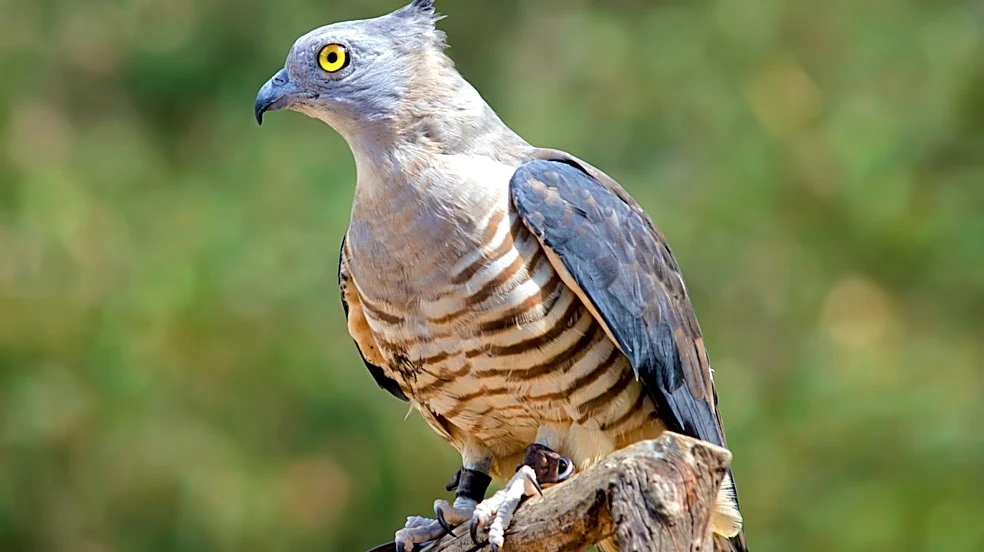
400,000 zebra, and 300,000 Thomson's gazelle, driven by rainfall and grazing availability. The park is also home to the highest density of lions on Earth, with an estimated 3,000 individuals, and significant populations of leopard, cheetah, elephant, buffalo, and the critically endangered black rhino. Designated a UNESCO World Heritage Site in 1981, the Serengeti offers diverse ecological regions, including southern short-grass plains, acacia-dotted kopje country, riverine woodland, and rolling green hills. Park fees, set at $82.60 per adult per day for 2025-2026, contribute significantly to conservation efforts, funding anti-poaching patrols, road maintenance, and wildlife monitoring. The park's birdlife is equally impressive, with over 500 recorded species, including various raptors and colorful birds like the lilac-breasted roller.
Why It's Important?
The Serengeti National Park's status as a premier wildlife destination has significant implications for conservation and tourism. The substantial park fees directly support the protection of its diverse ecosystems and endangered species, demonstrating a sustainable model where tourism revenue fuels conservation. The Great Migration, a natural spectacle, highlights the delicate balance of nature and the impact of climate change on animal migration patterns. The park's high predator density, particularly lions, makes it a crucial area for studying large carnivore behavior and population dynamics. The park also plays a vital role in the local economy, providing employment opportunities and contributing to community development through tourism-related activities. The ongoing efforts to combat poaching and the careful monitoring of species like the black rhinoceros underscore the global importance of preserving such biodiversity hotspots.
What's Next?
The Serengeti continues to face pressures from human-wildlife conflict, poaching, and the potential threat of infrastructure development, despite a proposed highway being relocated. Conservation efforts will likely focus on mitigating these challenges, including strengthening anti-poaching initiatives and adapting to shifting rainfall patterns caused by climate change, which could impact the migration cycle. Tourism will remain a critical component of the park's funding, with ongoing efforts to manage visitor numbers and ensure sustainable practices. The development of community engagement programs and the involvement of local Maasai communities in conservation and tourism will also be crucial for the park's future. Continued research into wildlife populations and their habitats will inform future management strategies to ensure the long-term health of the ecosystem.
Beyond the Headlines
Beyond its immediate ecological and economic impact, the Serengeti represents a profound cultural and ethical dimension. Its Maasai name, 'siringet,' meaning 'the place where the land runs on forever,' encapsulates a deep connection between indigenous communities and the natural world. The park serves as a living laboratory for understanding complex ecological processes and the intricate relationships between species. The ethical considerations surrounding human intervention in natural processes, such as managing wildlife populations or mitigating human-wildlife conflict, are constantly at play. The Serengeti also offers a unique opportunity for visitors to disconnect from the digital world and reconnect with nature, fostering a deeper appreciation for biodiversity and the importance of wilderness preservation in an increasingly urbanized world. The park's ongoing challenges and successes offer valuable lessons for global conservation efforts.