







What's Happening?
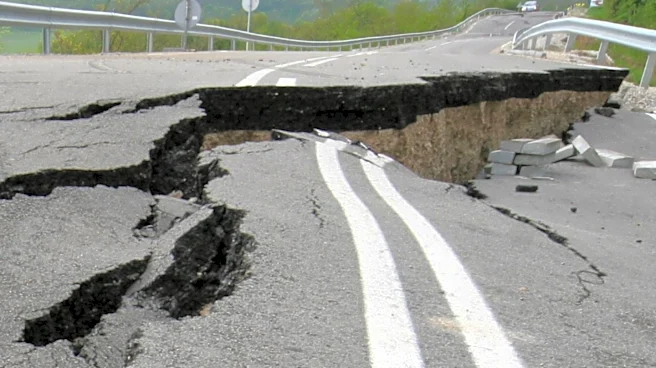
On July 28, 2026, a strong earthquake struck Kumamoto Prefecture in Japan, causing significant damage and fatalities. The epicenter was located south of Kumamoto City, leading to infrastructure disruptions and building damage in the hardest-hit areas.
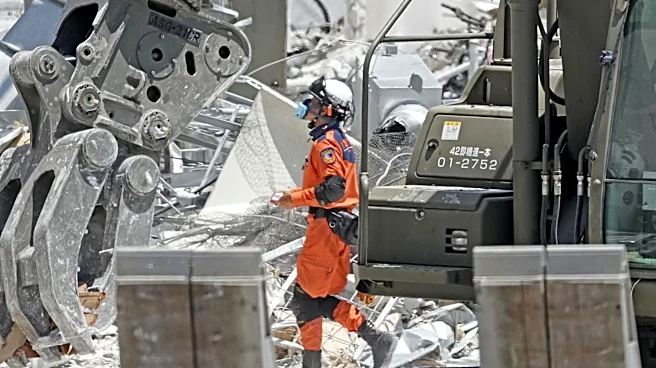
Transportation services, including the Kyushu Shinkansen and various train lines, have been suspended due to damaged rail tracks and roads. Flights to and from Kumamoto Airport have resumed, but expressways remain closed in certain sections. The earthquake has also affected tourism, with some attractions closed, although Kumamoto City itself is functioning close to normal. Recovery efforts are ongoing, with emergency workers searching for survivors amidst aftershocks and extreme heat.
Why It's Important?
The earthquake in Kumamoto Prefecture highlights the vulnerability of infrastructure in earthquake-prone regions and the challenges of disaster response in the face of ongoing aftershocks. The disruption of transportation and tourism impacts the local economy, while the need for rapid recovery and support for affected residents underscores the importance of effective emergency management. The situation also raises concerns about the preparedness of infrastructure to withstand natural disasters and the resilience of communities in such events.
What's Next?
Recovery efforts will continue as authorities work to restore transportation services and support affected communities. The reopening of train lines and expressways will be crucial for economic recovery and the return of normalcy. Ongoing monitoring of aftershocks and infrastructure stability will be necessary to ensure safety. The situation may prompt discussions on improving disaster preparedness and infrastructure resilience in earthquake-prone areas.