



What's Happening?
A 7.6-magnitude earthquake struck off northern Japan, leading to a tsunami of up to 27 inches and causing significant disruptions in air travel. The earthquake resulted in injuries and damage to infrastructure, with tsunami warnings initially issued but
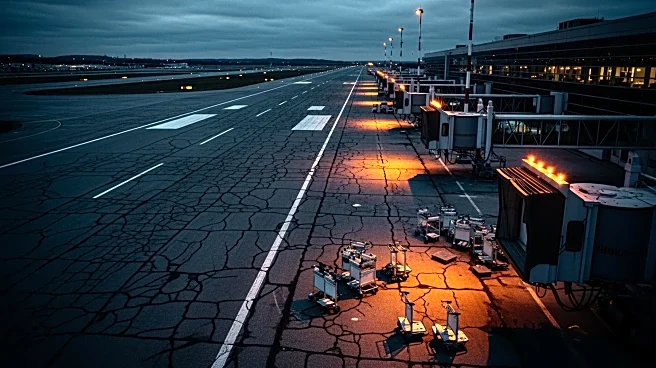
later downgraded. The quake was felt as far as Tokyo, over 550 kilometers away. At least 29 flights were cancelled and 203 were delayed at Tokyo International Airport, also known as Haneda Airport. Residents and travelers experienced strong shaking, with reports of items being displaced in homes and businesses.
Why It's Important?
The earthquake highlights the vulnerability of infrastructure and the potential for significant disruptions in travel and daily life due to natural disasters. The impact on air travel underscores the interconnectedness of global transportation networks and the ripple effects that such events can have on international travel and commerce. The injuries and damage also emphasize the ongoing need for preparedness and resilience in regions prone to seismic activity. The event serves as a reminder of the importance of emergency response systems and the need for continuous improvement in disaster readiness.
What's Next?
Authorities are assessing the damage and monitoring for aftershocks, which could pose additional risks to the affected areas. Residents are advised to remain vigilant and prepared for potential further seismic activity. The incident may prompt reviews of building codes and emergency response protocols to enhance safety and resilience against future earthquakes. Airlines and travel agencies will likely work to accommodate affected passengers and reschedule flights as the situation stabilizes.