





What's Happening?
As millions of Hoosiers prepare for holiday travel, winter respiratory viruses are already increasing across Indiana. Dr. Jacklyn Oakley with Ascension St. Vincent Evansville emphasizes that holiday travel often involves close contact with more people
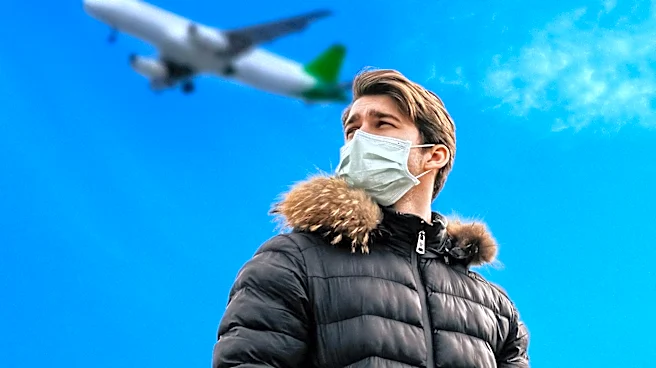
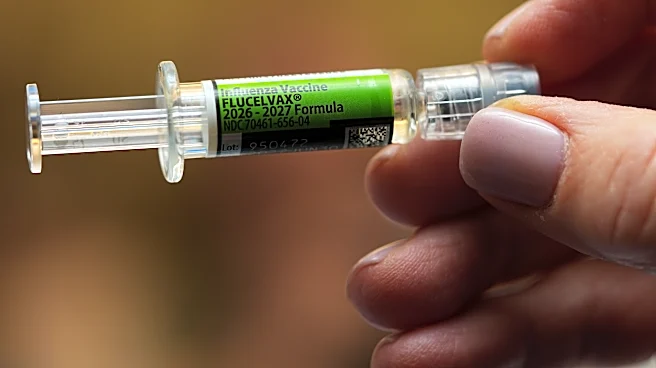
in crowded spaces, increasing the risk of illness. To mitigate this, travelers are advised to pack a 'Travel Health Kit' in their carry-on luggage, including essential daily prescriptions, extra medication for delays, sanitizing wipes with at least 60% alcohol, rapid tests, and over-the-counter fever reducers. Simple habits like wiping down surfaces, using hand sanitizer, and wearing a well-fitting mask in crowded areas such as airport terminals or during boarding can significantly reduce viral exposure. Additionally, vaccination timing is crucial, as vaccines require about two weeks to build peak immunity, making it important to get updated shots now for maximum protection before gathering with vulnerable relatives.
Why It's Important?
The advice from Ascension St. Vincent Evansville is critical for public health, particularly during the busy holiday travel season. The increased movement of people across the U.S. creates fertile ground for the rapid spread of respiratory viruses like the flu and COVID-19. By encouraging proactive health measures, the guidance aims to reduce the burden on healthcare systems, prevent widespread illness, and protect vulnerable populations, such as the elderly and immunocompromised, who are at higher risk of severe complications. The economic impact of widespread illness can also be significant, affecting workforce productivity and consumer spending. Adherence to these recommendations can help ensure that holiday plans are not disrupted by illness, thereby supporting both individual well-being and broader public health stability.
What's Next?
Travelers should prioritize getting vaccinated against the flu and COVID-19 well in advance of their holiday trips to ensure peak immunity. Health organizations and medical professionals will likely continue to monitor viral activity and issue updated guidance as the season progresses. Individuals planning to travel should also consider the 'Delay or Go?' threshold, assessing their symptoms to avoid spreading illness or requiring urgent care away from home. Airlines and public transportation hubs may reinforce hygiene protocols, and travelers should remain vigilant about personal protective measures. The ongoing emphasis on preparedness and preventative actions will be key to managing public health during the peak travel periods.
Beyond the Headlines
The recurring need for health advisories during holiday travel highlights a broader societal challenge in managing infectious diseases in an interconnected world. Beyond the immediate health implications, there are ethical considerations regarding individual responsibility to prevent disease transmission, especially when interacting with vulnerable populations. The advice also underscores the importance of personal preparedness and self-reliance in health management, shifting some of the burden from public health systems to individuals. This trend could lead to a more health-conscious travel culture, where preventative measures become standard practice rather than exceptional precautions, potentially influencing long-term travel behaviors and public health policies related to mass gatherings and transportation.