




What's Happening?
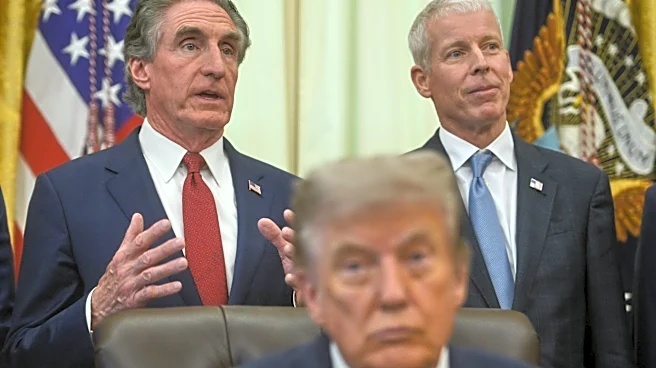
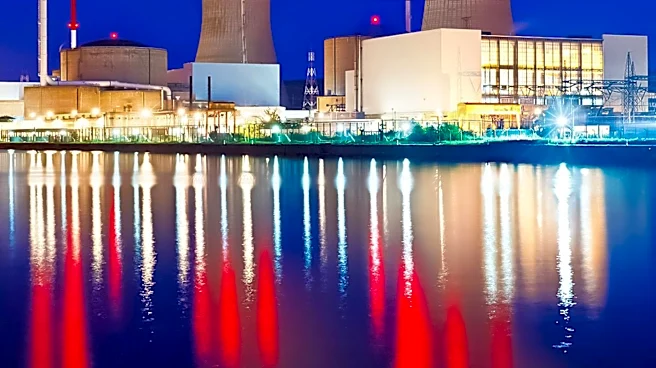
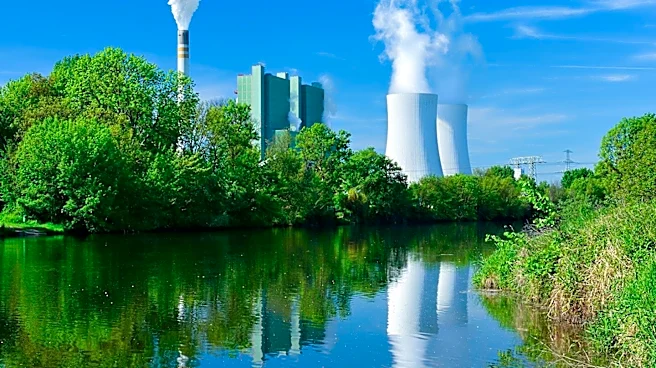
The Nuclear Regulatory Commission (NRC) is proposing to eliminate the ALARA (As Low As Reasonably Achievable) principle, a longstanding radiation safety standard, while maintaining maximum radiation exposure limits. This proposal comes as President Trump
seeks to quadruple domestic nuclear energy production to meet rising electricity demand. The NRC aims to replace ALARA with a 'graded approach' that requires facilities to implement more rigorous radiation protection measures as they approach dose limits. This change is intended to provide clearer guidelines for new reactor designs and expedite nuclear reactor development.
Why It's Important?
The proposed changes could significantly impact the nuclear industry by streamlining regulatory processes and potentially accelerating the development of new nuclear reactors. This aligns with President Trump’s efforts to boost nuclear energy production, which is seen as a key component in meeting the growing energy demands driven by data centers and artificial intelligence. However, the elimination of ALARA has raised concerns among experts about the potential for increased radiation exposure, as the principle has historically ensured that radiation doses remain as low as practical. The NRC argues that the new approach will maintain safety standards while providing greater clarity.
What's Next?
The NRC plans to finalize its radiation protection regulations in the coming months. The nuclear industry and regulatory bodies will need to adapt to the new standards, which could involve revising safety protocols and training programs. The proposal is likely to face scrutiny from environmental and public health advocates who may push for maintaining or enhancing current safety measures. The NRC will need to address these concerns while balancing the need for regulatory efficiency and safety in the expanding nuclear sector.