







What's Happening?
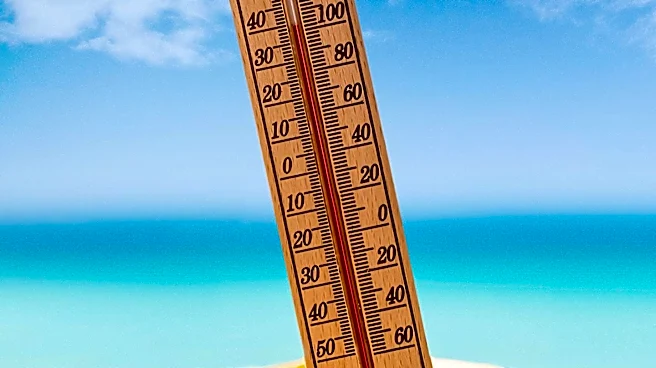
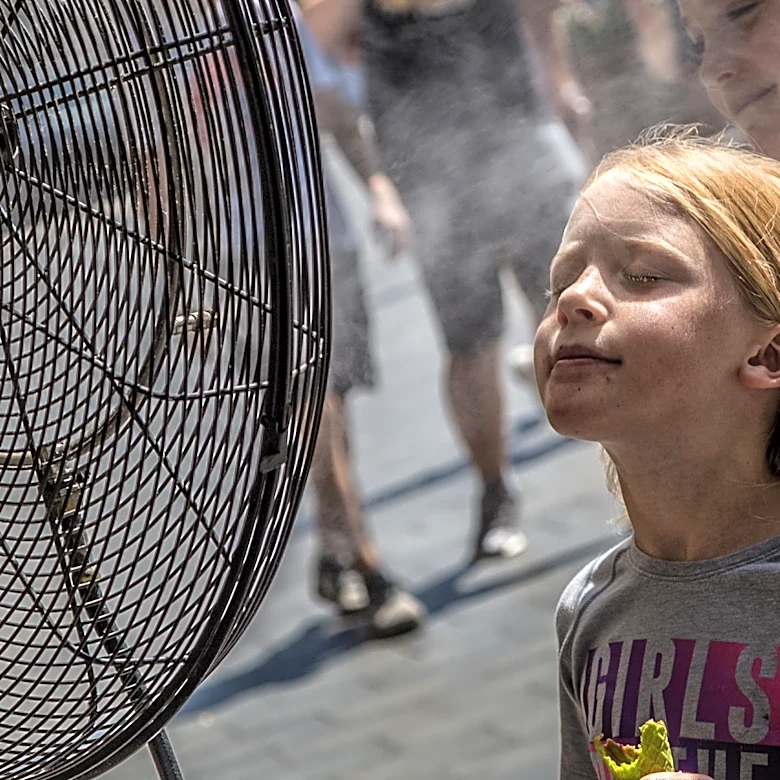
A record-setting heat wave is affecting much of the United States as millions gather to celebrate Independence Day, marking the country's 250th birthday. The National Weather Service has issued extreme heat warnings for over 110 million people, with heat alerts
extending from Kansas to Maine. Several East Coast cities are experiencing near-record temperatures, with Philadelphia and New York City expected to reach highs of 103 and 102 degrees, respectively. The extreme heat has led to the cancellation of events such as Philadelphia's Wawa Welcome America parade and the temporary closure of Washington's Great American State Fair. Rail travel is also impacted, with New Jersey Transit and Amtrak warning of delays and reduced speeds due to the heat's effect on equipment.
Why It's Important?
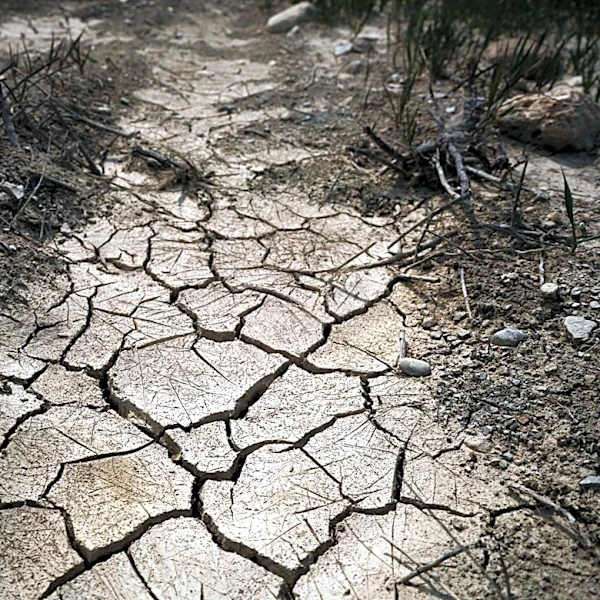
The heat wave poses significant challenges for public safety and infrastructure, highlighting the vulnerabilities of cities to extreme weather conditions. The cancellation of major events and disruptions in transportation services underscore the broader impact of climate-related phenomena on societal activities. The situation raises concerns about the preparedness of urban areas to handle extreme temperatures and the need for adaptive measures to protect public health and maintain essential services. The economic implications are also notable, as event cancellations and travel disruptions could affect local businesses and tourism revenue. The heat wave serves as a reminder of the growing frequency and intensity of extreme weather events, prompting discussions on climate resilience and mitigation strategies.
What's Next?
As the heat wave continues, authorities and event organizers will need to prioritize public safety by implementing measures to mitigate heat exposure, such as providing cooling centers and adjusting event schedules. Transportation agencies may need to enhance infrastructure resilience to withstand extreme temperatures. The situation could prompt policymakers to consider long-term strategies for climate adaptation, including urban planning and investment in heat-resistant infrastructure. Public awareness campaigns may be necessary to educate communities on heat safety and the importance of staying hydrated and avoiding outdoor activities during peak heat hours. The response to this heat wave could inform future strategies for managing similar events.