





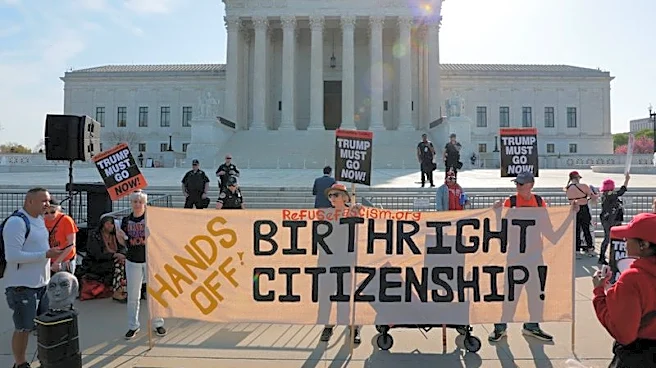
What's Happening?
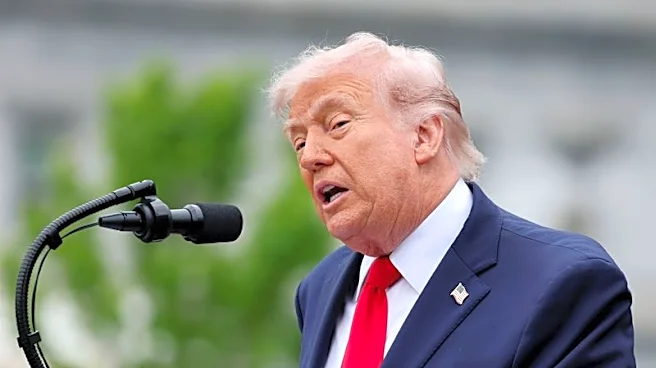
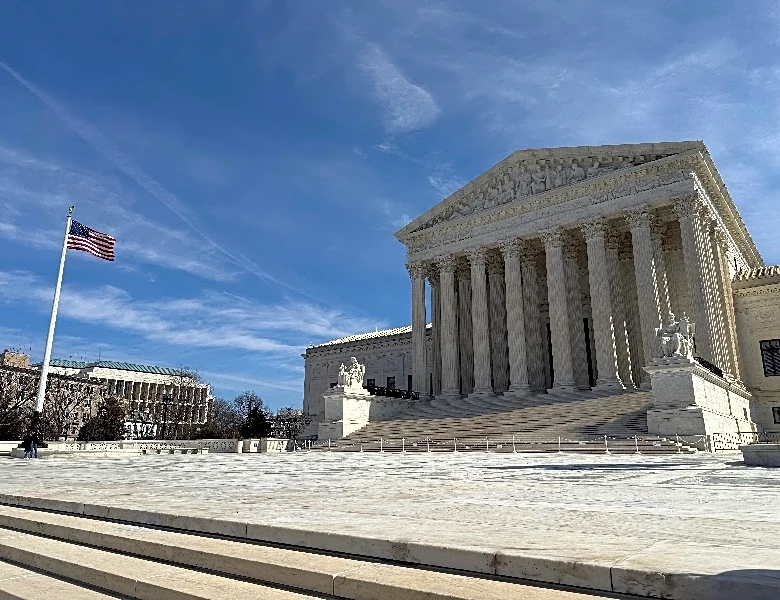
The U.S. Supreme Court is set to hear arguments regarding the Trump administration's efforts to revoke Temporary Protected Status (TPS) for migrants from Haiti and Syria. The TPS program, established in 1990, allows individuals from certain countries
to live and work in the U.S. if their home countries are deemed unsafe due to conditions like war or natural disasters. The Trump administration has been attempting to end TPS for several countries, including Haiti and Syria, arguing that conditions in these countries have improved. The case, Mullin v. Doe, will determine if the administration can end TPS designations without judicial review. This decision could impact nearly 1.3 million TPS holders in the U.S.
Why It's Important?
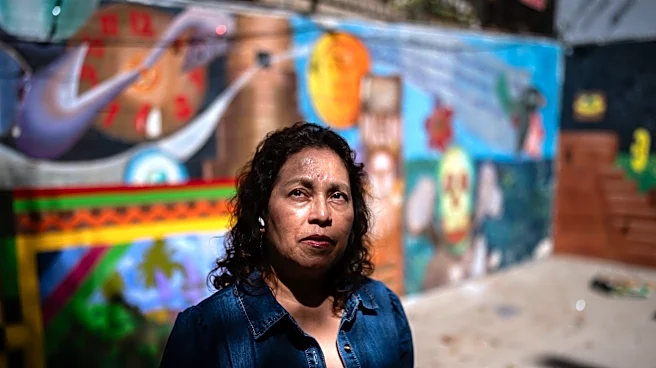
The Supreme Court's decision will have significant implications for the future of the TPS program and the lives of hundreds of thousands of immigrants currently residing in the U.S. under this status. If the court sides with the Trump administration, it could pave the way for the termination of TPS for all designated countries, potentially leading to the deportation of many individuals who have built their lives in the U.S. This case also highlights the broader immigration policy debates in the U.S., particularly regarding the balance between executive authority and judicial oversight in immigration matters.
What's Next?
The Supreme Court's ruling is expected to be delivered by the summer. If the court rules in favor of the Trump administration, it could lead to immediate policy changes affecting TPS holders from Haiti and Syria, and potentially other countries. This decision may also prompt legislative action from Congress, as seen with the recent House bill to extend TPS protections for Haitians. Additionally, the ruling could influence future administrations' approaches to immigration policy and the use of TPS as a humanitarian tool.