






What's Happening?
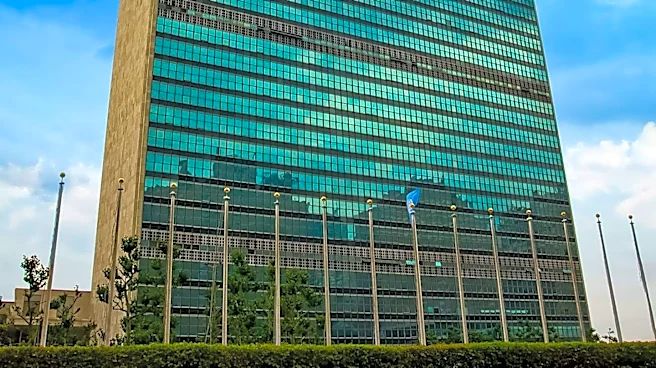
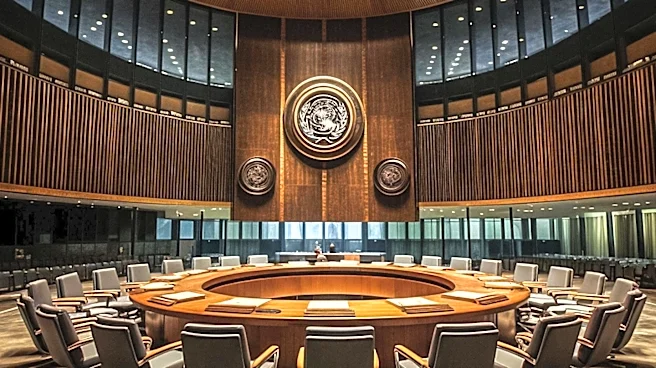
Palestine has publicly endorsed India's candidacy for a non-permanent seat on the United Nations Security Council (UNSC) for the 2028-29 term. This support was announced during a period of renewed diplomatic engagement between India and Palestine. India is also
planning to fund a new hospital in the West Bank and provide medical assistance to Gaza. The UNSC consists of 15 members: five permanent members with veto power and ten non-permanent members elected by the UN General Assembly for two-year terms. Palestine's endorsement extends to India's aspiration for a permanent UNSC seat, viewing India's economic and political influence as beneficial for advancing Palestinian interests and facilitating the peace process with Israel.
Why It's Important?
Palestine's backing for India's UNSC bid is significant for several reasons. For India, it strengthens its international standing and its campaign for a more prominent role in global governance, including its long-held ambition for a permanent seat on the Security Council. This endorsement from Palestine, a key player in a long-standing international conflict, enhances India's image as a nation capable of engaging constructively with both sides of the Israeli-Palestinian issue, maintaining a 'de-hyphenated' foreign policy. For Palestine, securing India's support, particularly through its potential influence within the UNSC, could be crucial for advocating its cause on the global stage. The proposed Indian development assistance, including a hospital in the West Bank and medical aid for Gaza, further solidifies this diplomatic relationship and provides tangible benefits to the Palestinian people.
What's Next?
Following Palestine's endorsement, India will likely continue its diplomatic efforts to garner support from other nations for its UNSC bid. The planned humanitarian and development projects, such as the hospital in the West Bank and medical aid for Gaza, are expected to proceed, further cementing India's commitment to the Palestinian people. This renewed engagement could also lead to increased dialogue between India and Palestine on various international issues. India's 'de-hyphenated' approach to the Israeli-Palestinian conflict will continue to be tested as it navigates its relationships with both entities, aiming to maintain diplomatic credibility and leverage. The upcoming UN General Assembly elections for the non-permanent seats will be a critical juncture for India's aspirations.
Beyond the Headlines
Palestine's support for India's UNSC bid highlights the evolving dynamics of international diplomacy, where emerging powers like India are increasingly sought after for their influence and balancing capabilities. India's ability to maintain strong relations with both Israel and Palestine positions it uniquely as a potential mediator or facilitator in regional conflicts. This 'de-hyphenated' policy, while complex, allows India to pursue its national interests while also contributing to global stability and humanitarian efforts. The long-term implications could include a more multipolar international system where countries like India play a more active role in shaping global security and development agendas, moving beyond traditional alliances and fostering new forms of cooperation based on mutual interests and humanitarian principles.