



What's Happening?
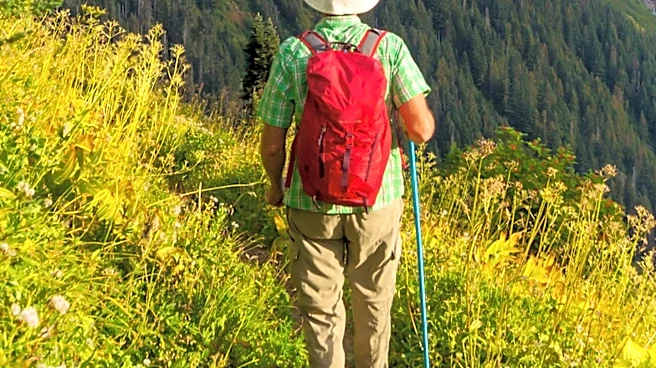
A record 63 million Americans are now hiking regularly, according to the Outdoor Industry Association’s 2026 report. This surge in popularity, while encouraging more people to engage with nature, has led to significant concerns regarding the sustainability
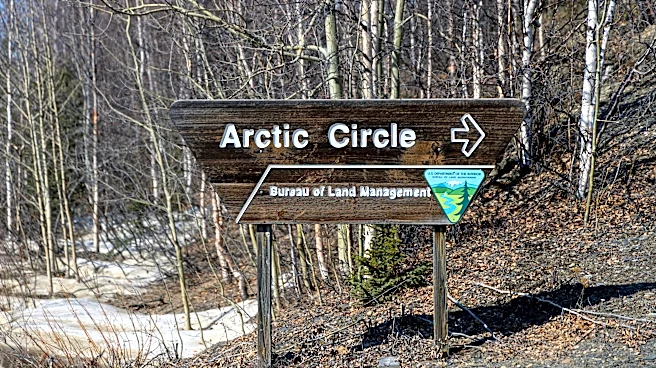
of trails and ecosystems. The increased foot traffic is causing environmental degradation, particularly in fragile environments like deserts, mountains, and coastal ecosystems, where recovery from damage can take years or even decades. The report highlights that the sheer volume of hikers can transform narrow footpaths into wider, damaged areas, impacting riparian vegetation and displacing ground-nesting birds. The phenomenon of landmarks going viral on social media, such as Horseshoe Bend, has exacerbated these issues, with visitor numbers skyrocketing and leading to overcrowding and environmental strain. The Bureau of Land Management has implemented permit systems, like for The Wave, to manage access and protect natural formations from overuse.
Why It's Important?
The growing popularity of hiking has a dual impact on U.S. society and environment. On one hand, it fosters a connection with nature, potentially increasing public support for conservation efforts, as evidenced by volunteer groups maintaining trails like the Appalachian Trail. On the other hand, the sheer volume of hikers poses a significant threat to the very natural landscapes they seek to enjoy. This creates a paradox where the desire to experience nature leads to its degradation. The economic implications include increased demand for outdoor gear and tourism in natural areas, but also potential costs associated with trail maintenance, environmental restoration, and managing visitor access. The rise of 'flight-to-hike' trends, where individuals travel long distances by air for a single hike, also introduces a substantial carbon footprint, undermining the environmental benefits of outdoor recreation. This situation underscores the need for sustainable practices and responsible tourism to preserve natural resources for future generations.
What's Next?
Addressing the challenges posed by increased hiking popularity will likely involve a multi-faceted approach. Land management agencies are expected to continue implementing and refining systems such as permits, timed-entry requirements, and volunteer programs to manage visitor flow and mitigate environmental impact. There will likely be a continued emphasis on educating hikers about sustainable practices, including staying on marked trails, packing out waste, and keeping dogs leashed. Organizations like the Appalachian Trail Conservancy and the Arizona Trail Association will continue their vital work in trail maintenance and restoration, potentially requiring increased funding and volunteer support. The 'flight-to-hike' trend may prompt discussions around the carbon footprint of adventure travel and encourage more localized or environmentally conscious travel choices. Ultimately, the future will depend on a collective effort from hikers, land managers, and policymakers to balance access to nature with its preservation.
Beyond the Headlines
The surge in hiking popularity reflects a broader societal shift towards seeking outdoor experiences and a connection with nature, potentially driven by factors such as increased awareness of well-being and the influence of social media. However, this trend also highlights an ethical dilemma: how to reconcile the human desire for natural engagement with the imperative to protect fragile ecosystems. The implementation of permit systems and other access restrictions, while necessary for preservation, raises questions about equitable access to public lands and the potential for commodification of natural wonders. The 'flight-to-hike' phenomenon also underscores a cultural disconnect, where the aesthetic of sustainability is sometimes prioritized over its practical application, leading to environmentally counterproductive behaviors. This situation calls for a deeper examination of our relationship with nature, moving beyond mere consumption of natural beauty to a more profound sense of stewardship and responsibility.