




What's Happening?
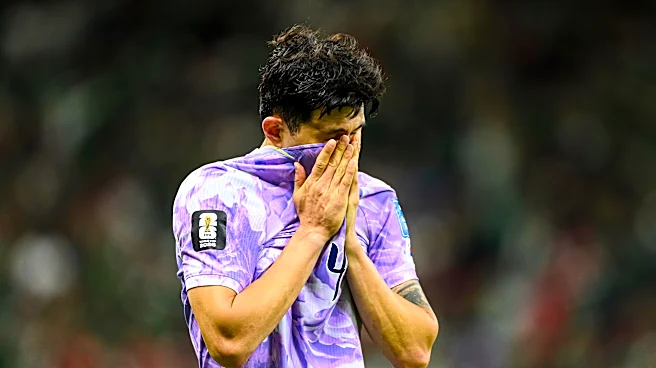
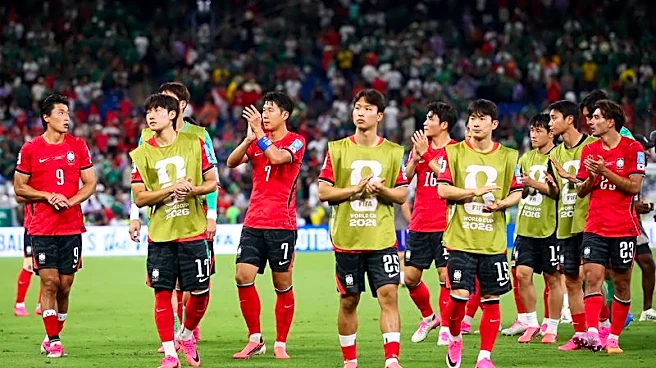
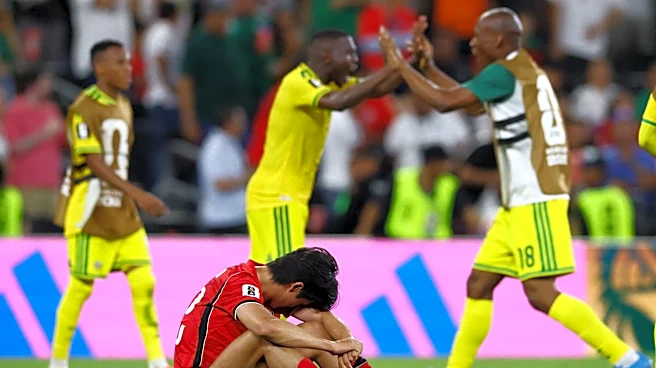
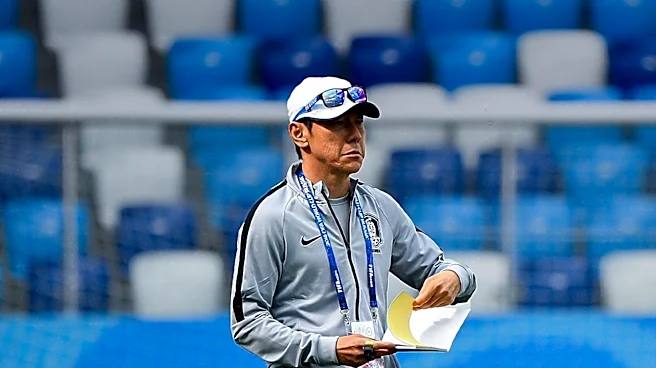
South Korea's failure to advance in the World Cup has led to significant political fallout, with President Lee Jae Myung expressing deep disappointment and calling for reforms in sports administration. The controversy centers around the appointment of
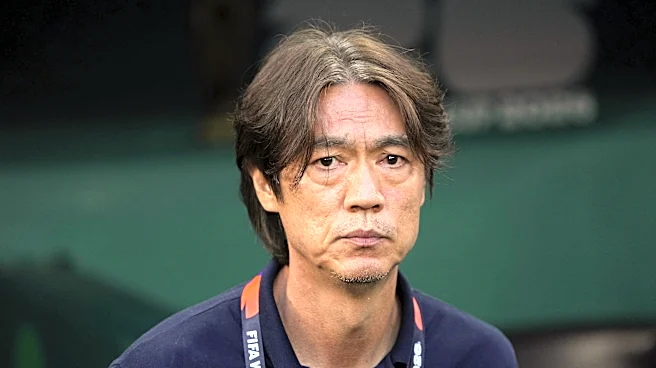
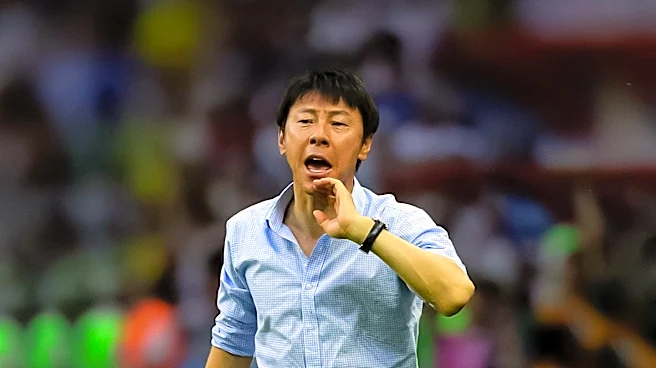
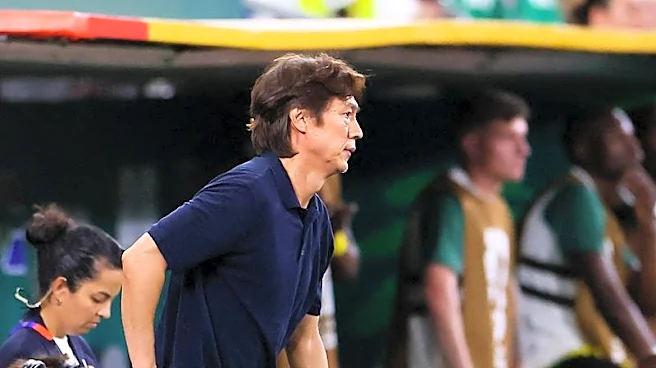
head coach Hong Myung-bo, whose selection process was criticized for favoritism and cronyism. Despite a government audit revealing procedural flaws in his hiring, there was no legal basis to cancel his contract. Hong has since resigned, but public dissatisfaction remains high. The Korea Football Association (KFA), which receives about 30% of its budget from public funds, is under scrutiny for its opaque hiring practices. Lawmakers across the political spectrum are united in their call for reform, aligning with President Lee's broader agenda of enhancing transparency and accountability in both public and private sectors.
Why It's Important?
The situation underscores the intersection of sports and politics in South Korea, highlighting the significant role public funding plays in national sports organizations. The controversy has broader implications for governance and transparency in sports administration, potentially setting a precedent for how similar issues are handled in the future. The public's reaction reflects a demand for accountability and fair practices, which could influence future policy decisions and reforms. The incident also illustrates the potential for sports events to impact political agendas, as seen in President Lee's commitment to reforming the KFA. This development could lead to increased scrutiny of sports organizations and their governance structures, affecting stakeholders across the sports and political landscape.