


What's Happening?
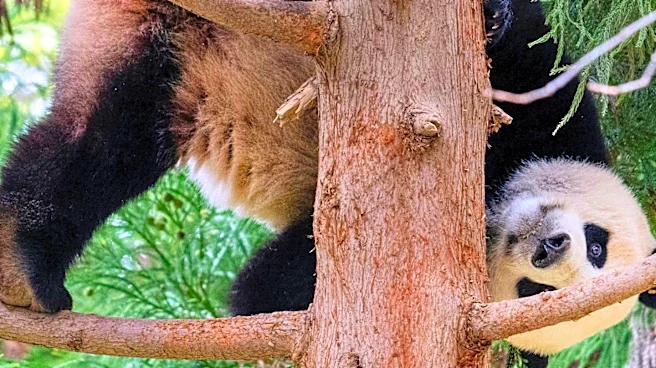
Two giant pandas, male Ping Ping and female Fu Shuang, have departed from Chengdu Shuangliu International Airport in China and are en route to Zoo Atlanta. This marks the return of giant pandas to the zoo and signifies a new chapter in China's 'panda
diplomacy.' The pandas will reside in Atlanta under a new 10-year international cooperative research agreement between Zoo Atlanta and the China Wildlife Conservation Association. Both pandas were born in 2020 at the Chengdu Research Base of Giant Panda Breeding. Their selection involved careful consideration of factors such as age, health, genetics, and temperament by Zoo Atlanta and Chinese officials. Extensive preparations, including fresh bamboo and the involvement of experienced animal-care professionals and Chinese veterinary staff, have been made for their approximately 15-hour flight. Upon arrival, the pandas are expected to undergo a quarantine period. Zoo Atlanta has also upgraded its panda facilities, expanded indoor activity areas, secured a reliable bamboo supply, and assembled a specialized care team in anticipation of their arrival.
Why It's Important?
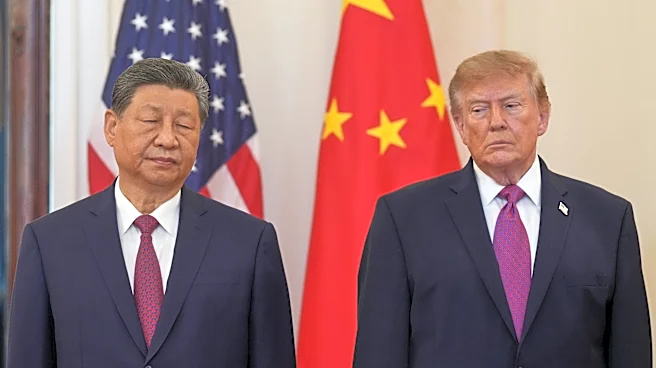
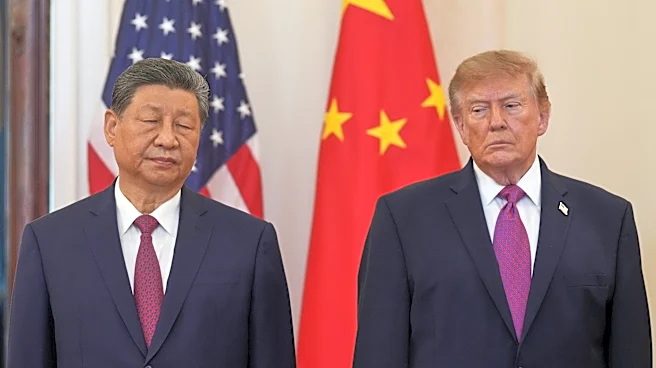
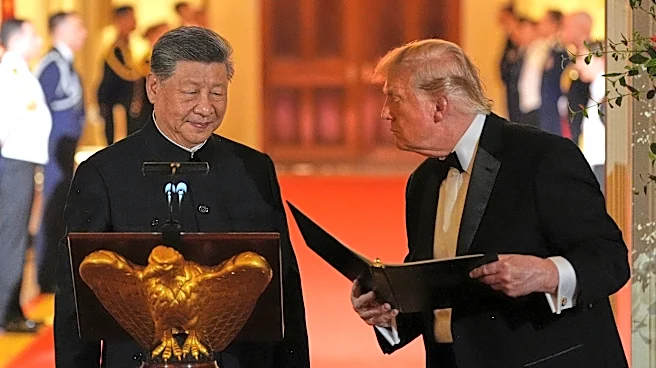
The arrival of Ping Ping and Fu Shuang is significant for several reasons. For Zoo Atlanta, it restores a major attraction after the previous loan agreement concluded in 2024, which saw Lun Lun, Yang Yang, and their two youngest offspring return to China. This new agreement also continues Zoo Atlanta's long-standing conservation and research collaboration with Chinese institutions, which has historically supported habitat restoration and nature-reserve management efforts for giant pandas. Beyond conservation, the pandas' journey carries considerable diplomatic weight. China has utilized giant panda loans for decades as a symbol of goodwill and international cooperation, a practice known as 'panda diplomacy.' This tradition between China and the United States dates back to 1972, following President Richard Nixon's historic visit to China. Chinese President Xi Jinping recently emphasized this by describing the animals as an 'envoy of friendship' between the Chinese and American people, highlighting the role these animals play in fostering connections between the two nations.
What's Next?
Following their arrival in Atlanta, Ping Ping and Fu Shuang are expected to undergo a period of quarantine to ensure their health and acclimatization to their new environment. Zoo Atlanta will then introduce the pandas to the public, allowing visitors to once again experience the popular attraction. The 10-year international cooperative research agreement will facilitate ongoing collaboration between Zoo Atlanta and the China Wildlife Conservation Association, focusing on conservation and research efforts for giant pandas. This partnership is anticipated to contribute to global efforts in protecting the endangered species. Diplomatically, the presence of the pandas in Atlanta will continue to serve as a visible symbol of the relationship between China and the United States, potentially influencing cultural exchange and fostering a sense of shared responsibility in wildlife conservation between the two countries.
Beyond the Headlines
The return of giant pandas to Zoo Atlanta through 'panda diplomacy' extends beyond mere animal exhibition; it represents a nuanced form of soft power and cultural exchange between China and the United States. These animals serve as living symbols, capable of fostering public goodwill and creating a shared interest that transcends political differences. The long-term cooperative research agreement underscores a commitment to scientific collaboration on endangered species, which can build bridges between scientific communities and potentially lead to broader environmental initiatives. Ethically, the practice raises questions about the balance between conservation efforts and the political implications of animal loans, particularly regarding the welfare of the animals and the genuine intent behind such diplomatic gestures. Culturally, the pandas' presence can educate the American public about Chinese wildlife and conservation efforts, potentially fostering greater understanding and appreciation between the two cultures, even amidst complex geopolitical landscapes.