



What's Happening?
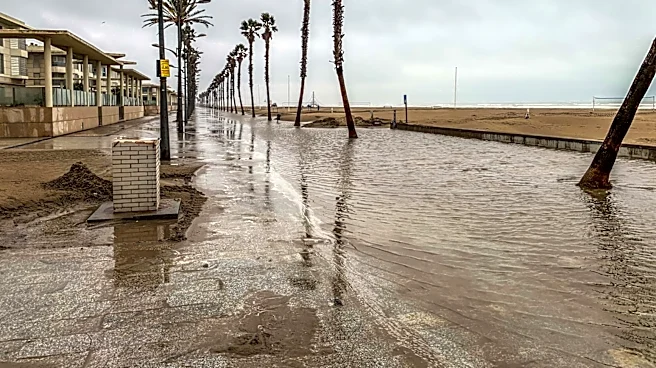
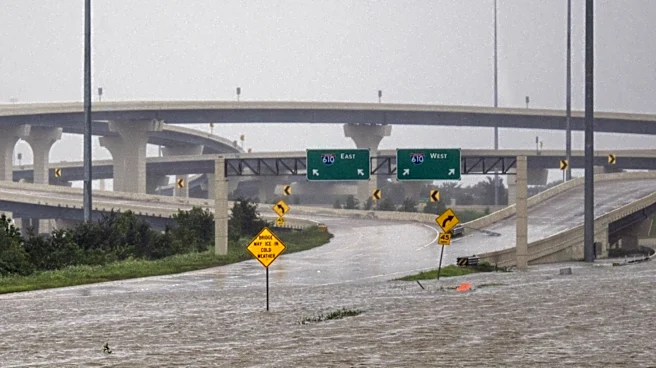
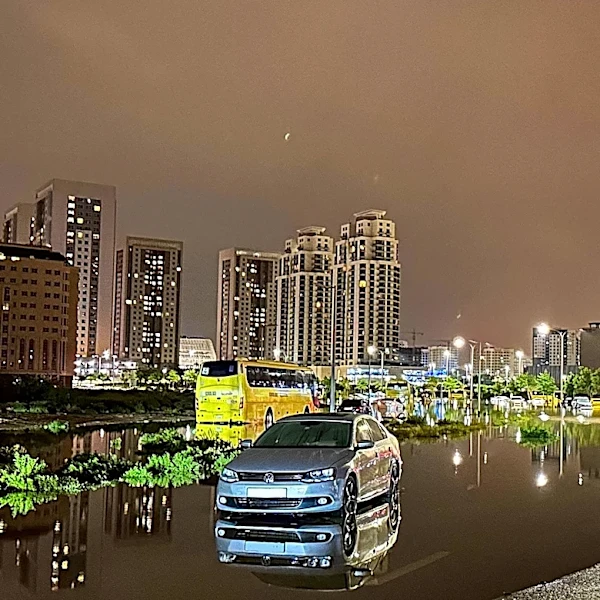
Recent studies have highlighted a significant increase in the frequency of extreme weather events, particularly coastal floods, due to climate change. Data from NOAA indicates that what were once rare flooding events are now occurring multiple times a year
in various U.S. coastal cities. For instance, Charleston, South Carolina, experienced 17 such floods in 2025, compared to a single event in 1901. This trend is attributed to rising sea levels and more intense hurricanes, which are expected to worsen due to global warming. A 2026 preprint study suggests that the probability of extreme compound flood events could increase significantly by the end of the century.
Why It's Important?
The increasing frequency of extreme weather events poses a substantial threat to U.S. coastal communities, potentially making them unlivable by the end of the century. This trend has significant implications for urban planning, insurance industries, and disaster preparedness. As sea levels rise and hurricanes become more intense, the economic and social costs of flooding are expected to escalate, affecting millions of Americans. The findings underscore the urgent need for comprehensive climate adaptation strategies to mitigate the impacts of these changes and protect vulnerable populations.
What's Next?
In response to these findings, policymakers and urban planners may need to prioritize investments in infrastructure resilience and climate adaptation measures. This could include reinforcing coastal defenses, updating building codes, and developing early warning systems. Additionally, there may be increased pressure on federal and state governments to implement policies that address the root causes of climate change. The insurance industry will also need to adapt to the heightened risk of flooding, potentially leading to changes in coverage and premiums for coastal properties.