








What's Happening?
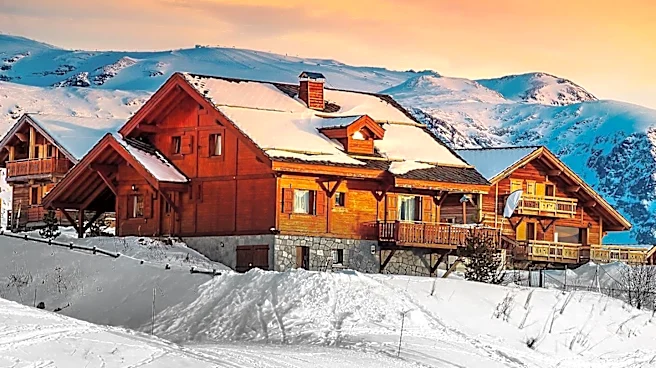
Santiago, Chile, a popular summer ski destination for U.S. tourists, is experiencing a significant snow shortage due to a prolonged drought. The Chilean Ski Resorts Association (ACESKI) reports that up to 90% of ski slopes in the metropolitan area have
been closed. This shortage is attributed to climate change, which has led to decreased precipitation and snowfall. In 2025, the region's ski resorts attracted over 1.24 million skiers, generating $283 million in economic impact, with $228 million from foreign tourists. However, the current lack of snow threatens this economic contribution. Efforts to mitigate the impact include artificial snowmaking and a shift towards 'four-season tourism,' promoting activities like hiking and culinary events that do not rely on snow.
Why It's Important?
The snow shortage in Chile's ski resorts highlights the broader impact of climate change on tourism-dependent economies. The U.S. tourists, who contribute significantly to the region's economy, may seek alternative destinations, affecting local businesses and employment. The shift towards year-round tourism could diversify income sources and reduce reliance on winter sports. However, this transition requires investment and adaptation, posing challenges for stakeholders. The situation underscores the need for sustainable tourism practices and climate resilience strategies to protect economic interests and preserve natural resources.
What's Next?
Chilean authorities are focusing on developing 'four-season tourism' to sustain economic activity throughout the year. This includes promoting non-snow-dependent activities such as nature tours and wellness events. The Meteorological Directorate forecasts potential snowfall in higher altitudes, offering a temporary reprieve. Long-term, the region must adapt to changing climate patterns, possibly investing in more advanced snowmaking technologies and infrastructure to support diverse tourism offerings. Stakeholders, including local businesses and government agencies, will need to collaborate on sustainable development plans to ensure economic stability.