





What's Happening?
Japan has revised its arms export rules under Prime Minister Sanae Takaichi, allowing the sale of lethal weapons such as missiles and warships. This marks a significant shift from Japan's post-World War II pacifist stance. The reforms are part of a broader
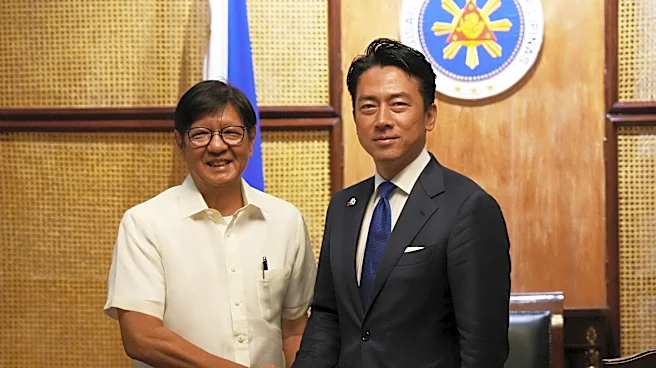
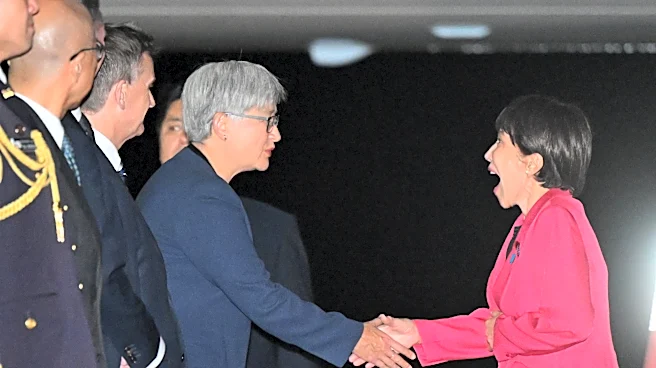
strategy to enhance Japan's military capabilities in response to China's growing assertiveness in the Indo-Pacific region. The changes have garnered respect from President Trump, who views Japan as a key ally in maintaining regional stability. Japan's defense minister, Shinjiro Koizumi, supports the reforms, which align with increased military spending and strategic partnerships with countries like Australia.
Why It's Important?
Japan's policy shift has significant implications for regional security dynamics, particularly in countering China's influence. By expanding its military capabilities and arms exports, Japan strengthens its role as a strategic partner to the U.S. in the Indo-Pacific. This move supports the U.S. strategy of maintaining a free and open region, crucial for global trade and security. Japan's actions also signal to other regional allies the importance of collective defense efforts against potential threats from China and North Korea.
What's Next?
Japan's new arms export policy will likely lead to increased military collaborations with the U.S. and other allies. The reforms may also prompt China to reassess its regional strategy, potentially leading to diplomatic engagements or increased military posturing. Japan's defense industry could see growth as it enters new markets, contributing to economic and technological advancements. The international community will monitor how these changes affect regional stability and the balance of power in the Indo-Pacific.