







What's Happening?
Negotiations between the United States and Iran have come under scrutiny following conflicting reports about their status. Iranian state media announced that Tehran would cease exchanging messages through intermediaries, citing ongoing ceasefire violations
as the reason. In contrast, President Trump stated in an interview with CNBC that he was indifferent to whether negotiations had ended. However, he later posted on Truth Social, asserting that talks are continuing at a 'rapid pace.' This mixed messaging has created uncertainty about the actual state of diplomatic efforts between the two nations.
Why It's Important?
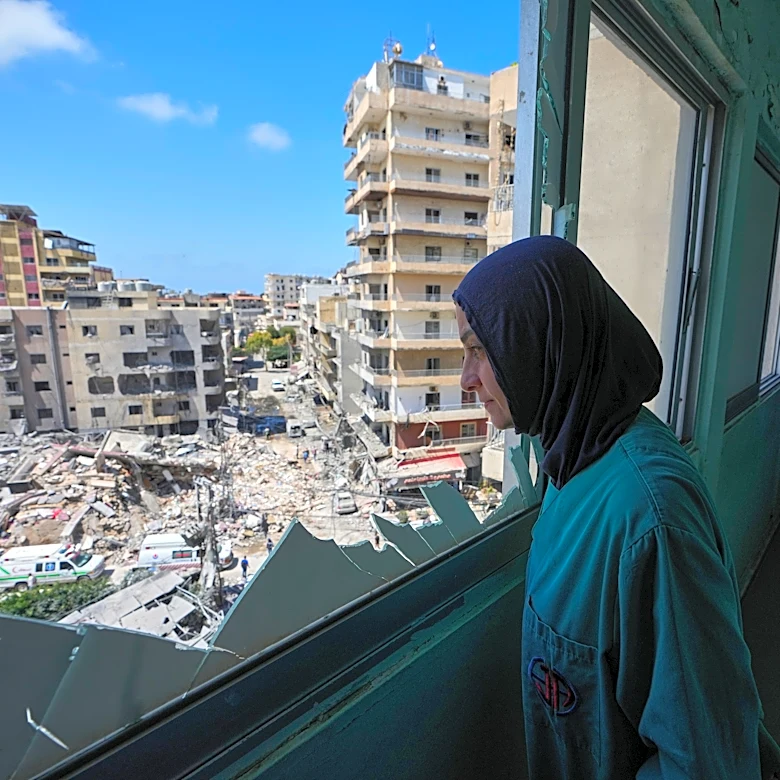
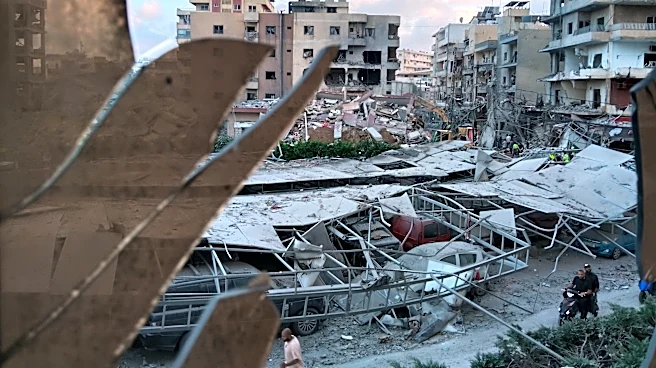
The continuation or cessation of talks between the U.S. and Iran holds significant implications for international relations and regional stability. If negotiations were to halt, it could exacerbate tensions in the Middle East, particularly given the ongoing conflict involving Israel and Hezbollah. A breakdown in communication might lead to increased military actions or economic sanctions, affecting global oil markets and international security. Conversely, successful negotiations could pave the way for de-escalation and potential agreements on nuclear activities, impacting global non-proliferation efforts and U.S. foreign policy.
What's Next?
The future of U.S.-Iran negotiations remains uncertain, with potential developments hinging on diplomatic maneuvers and responses from both nations. Key stakeholders, including other countries in the region and international organizations, may seek to mediate or influence the outcome. The U.S. administration might face pressure to clarify its stance and strategy, while Iran could leverage its position to gain concessions. Observers will be watching for any official statements or actions that could signal a shift in the current diplomatic impasse.