





What's Happening?
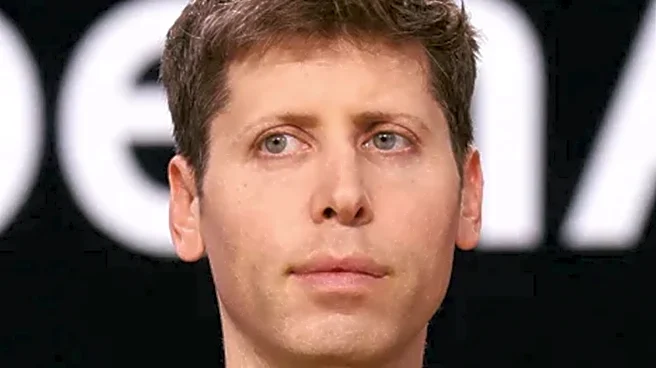
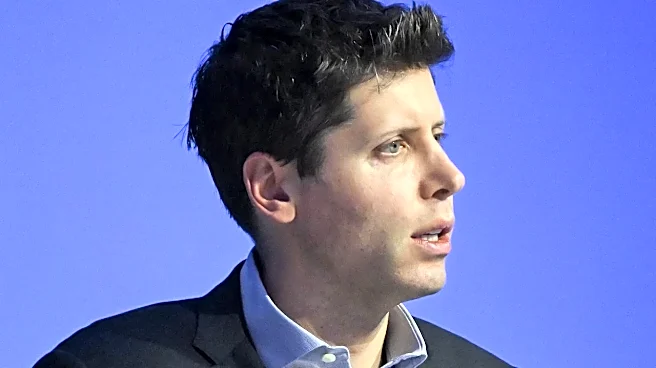
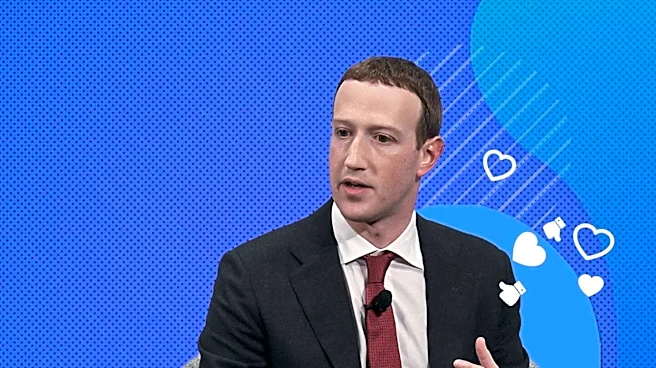
AI-generated deepfake videos featuring prominent technology executives, such as Meta CEO Mark Zuckerberg and OpenAI CEO Sam Altman, are being circulated on Instagram. According to The Verge, this issue came to light when Alexandr Wang, Meta's chief AI officer,
shared an AI-generated video in November to promote Muse, the company's consumer AI agent. This promotional clip itself depicted Zuckerberg and Altman. The incident highlights how synthetic video content of well-known individuals can spread on major consumer platforms, even when linked to official product launches. The Verge's reporting emphasizes the challenges within the Instagram content environment in distinguishing authentic executive communications from fabricated ones, raising concerns about the credibility of digital content.
Why It's Important?
The proliferation of AI-generated deepfakes featuring tech leaders like Mark Zuckerberg poses a significant trust problem for organizations and the public. The ease and low cost of producing realistic audio and video of senior figures mean that fabricated content can appear alongside genuine marketing, blurring the lines of authenticity. This development fundamentally alters how individuals assess the credibility of messages, especially when the messenger is a familiar face. For businesses, this creates a trust gap across product, marketing, and service operations, as customers and employees may struggle to verify the authenticity of executive announcements. This erosion of confidence can introduce friction and doubt into every subsequent communication, from product launches to support guidance.
What's Next?
Organizations deploying AI will likely face increasing pressure to develop robust methods for authenticating their communications. As AI agents become more capable, brands are expected to rely more on founders, executives, and recognizable spokespeople to explain their products, making them prime targets for impersonation. Companies promoting AI products through personality-led content will need to assume their leaders can be convincingly imitated. This could lead to the implementation of new verification protocols for official communications, potentially involving advanced digital watermarking or secure authentication methods to assure stakeholders of content legitimacy. The incident may also prompt social media platforms like Instagram to enhance their detection and moderation policies for AI-generated content.
Beyond the Headlines
This development points to a broader societal challenge regarding digital authenticity and the erosion of trust in visual and auditory media. The ability to easily create convincing deepfakes of public figures raises ethical questions about consent, manipulation, and the potential for misinformation. Legally, it could lead to new frameworks for accountability regarding the creation and dissemination of synthetic media, particularly when it involves impersonation or defamation. Culturally, it may foster increased skepticism towards digital content, requiring individuals to develop greater media literacy skills to discern reality from fabrication. This shift could fundamentally alter how information is consumed and trusted in the digital age, impacting everything from corporate communications to political discourse.