



What's Happening?
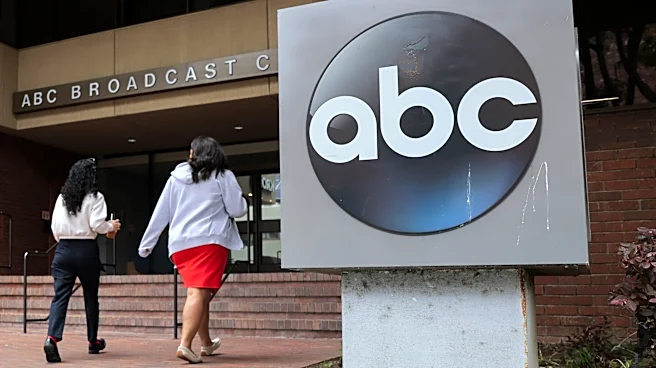
The Walt Disney Company has filed a lawsuit against the Trump administration, specifically targeting the Federal Communications Commission (FCC), over an accelerated review of broadcasting licenses for eight ABC television channels. Disney alleges that
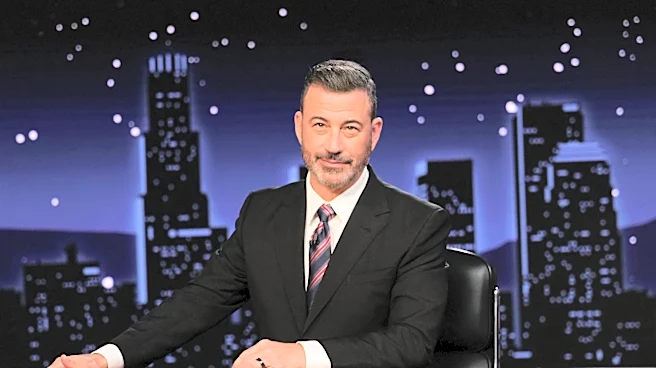
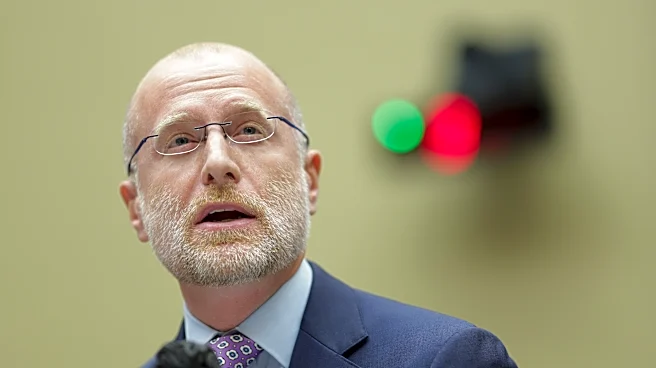
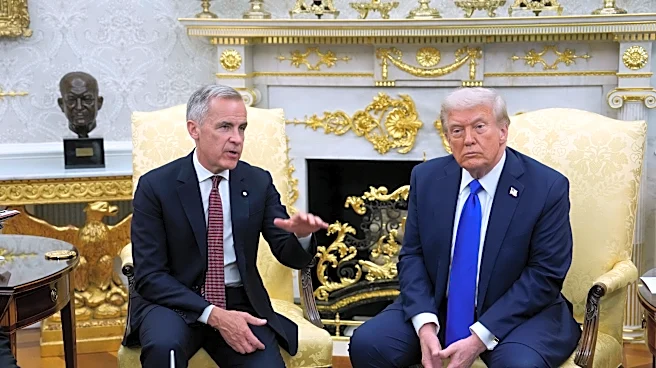
the administration's move to expedite the license renewal process, which was originally scheduled between 2028 and 2031, is politically motivated. The company claims this action infringes upon its constitutional right to freedom of speech. According to Disney's court filing, the Trump administration is engaging in a retaliatory campaign against ABC due to its disagreement with the content broadcast by the network. Brendan Carr, Chairman of the FCC, initiated the expedited review in April, requiring ABC to demonstrate that its programming adheres to regulatory standards. President Trump has previously criticized ABC News, accusing its programs, particularly Jimmy Kimmel's late-night talk show, of political bias.
Why It's Important?
This lawsuit highlights a significant clash between a major media corporation and the U.S. government, raising critical questions about media independence and potential political interference in regulatory processes. The FCC's role is to ensure broadcasters operate in the public interest, not to serve narrow political agendas. If Disney's claims of political retaliation are substantiated, it could set a dangerous precedent, potentially chilling free speech and encouraging self-censorship among media outlets fearing government reprisal. This case could influence how regulatory bodies like the FCC conduct license reviews, emphasizing the need for clear, non-partisan criteria. The outcome will be closely watched by other media companies and civil liberties advocates, as it could impact the broader landscape of media regulation and the protection of journalistic integrity in the U.S.
What's Next?
The lawsuit will proceed through the U.S. court system, where Disney will seek to halt and suspend the FCC's accelerated review process. The courts will need to determine whether the FCC's actions are indeed politically motivated or if they fall within the legitimate scope of its regulatory authority. Legal proceedings will likely involve extensive discovery and arguments regarding the intent behind the expedited review and its potential impact on First Amendment rights. Major stakeholders, including other media organizations and civil rights groups, are expected to monitor the case closely, potentially filing amicus curiae briefs to support or oppose Disney's position. The FCC will need to defend its actions, providing evidence that the review is based on standard regulatory practices rather than political pressure. The resolution of this case could lead to new guidelines or legal interpretations concerning the FCC's power over broadcast licenses.
Beyond the Headlines
Beyond the immediate legal battle, this case touches upon the delicate balance between government oversight and media freedom in a democratic society. The allegations of political retaliation against a news organization underscore growing concerns about the weaponization of regulatory powers to silence critical voices. This situation could exacerbate public distrust in both government institutions and the media, further polarizing the information landscape. It also brings to the forefront the ethical responsibilities of media outlets to maintain journalistic integrity while navigating political pressures. The outcome could either reinforce the constitutional protections for a free press or embolden future administrations to exert influence over media content, potentially leading to a more controlled and less diverse media environment in the long term. The case serves as a stark reminder of the ongoing tension between political power and the Fourth Estate.