



What's Happening?
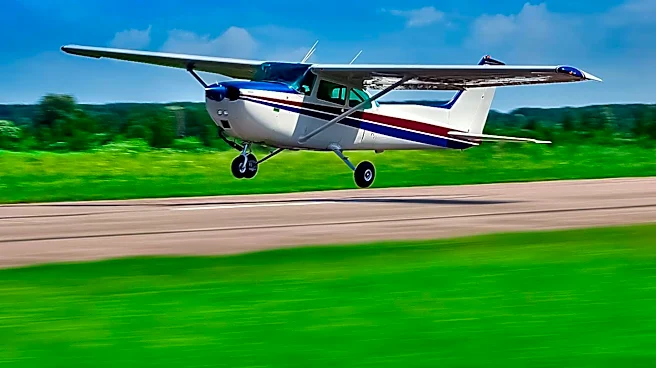
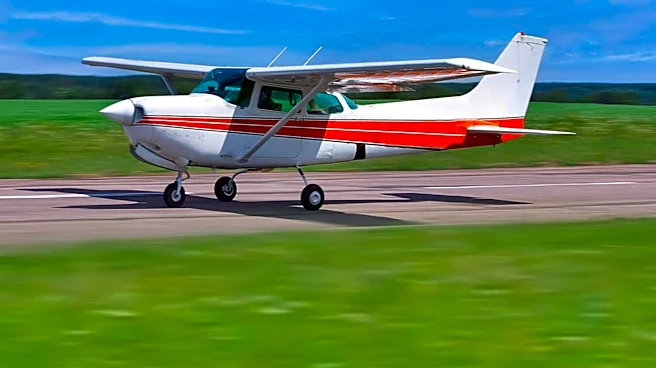
A charter plane, a Cessna 441 operated by Security Aviation, crashed near a remote radar site in western Alaska, resulting in the deaths of all eight individuals on board. The flight departed Anchorage and was en route to Cape Newenham, approximately
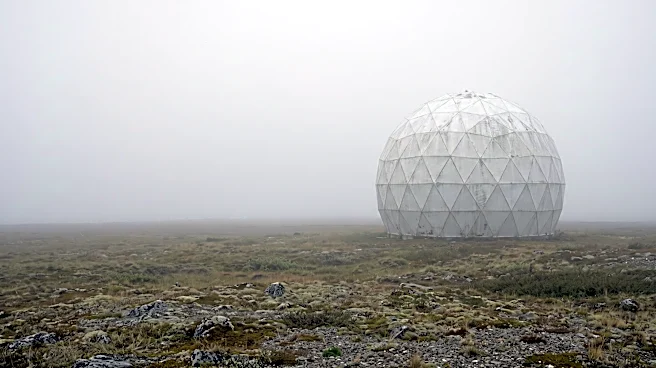
450 miles southwest, when it went down around 12:15 p.m. on Thursday. The Federal Aviation Administration (FAA) provided preliminary information, and the National Transportation Safety Board (NTSB) will lead the investigation into the cause of the crash. Among the deceased were two pilots and six passengers, including two employees of the U.S. Army Corps of Engineers' Alaska District. The crash occurred at Cape Newenham Airport, an Air Force airstrip that provides access to a Long Range Radar Site. Weather observations from the National Weather Service indicated poor visibility, less than 800 feet, at the landing strip around the time of the incident.
Why It's Important?
This tragic incident underscores the inherent risks associated with aviation in remote and challenging environments like Alaska. The Cape Newenham Airport, with its gravel runway located on the slope of a more-than-2,300-foot-high mountain and high terrain on both sides, presents significant operational difficulties, especially in adverse weather conditions. The loss of eight individuals, including military contractors and U.S. Army Corps of Engineers personnel, highlights the human cost of maintaining critical infrastructure in isolated regions. The NTSB investigation, which typically takes one to two years, will be crucial in determining the probable cause of the crash, potentially leading to enhanced safety protocols or equipment requirements for flights operating in similar conditions. This event also brings attention to the vital, yet often dangerous, work performed by those who support remote military and government facilities.
What's Next?
The National Transportation Safety Board (NTSB) will lead a comprehensive investigation into the crash, a process that is expected to take one to two years to determine the probable cause. The FAA will also be involved in the investigation. The names of the passengers and crew will be released once their next of kin have been notified. U.S. Air Force Lt. Gen. Robert Davis emphasized the priority of supporting the families and teammates of the deceased. Alaska Senator Lisa Murkowski has expressed her condolences and appreciation for the rapid response from various agencies, including the U.S. Coast Guard, NTSB, Alaska State Troopers, and the Rescue Coordination Center. The findings of the NTSB investigation could lead to recommendations for changes in aviation safety regulations, operational procedures for charter flights in remote areas, or specific improvements to the Cape Newenham Airport.
Beyond the Headlines
The crash in Alaska highlights the unique challenges and dangers faced by those who work and travel in the state's vast and often unforgiving terrain. The reliance on air travel for essential services and personnel transport to remote sites, such as radar facilities, means that aviation safety is paramount. The incident also brings into focus the specialized skills and equipment required for flying in such conditions, where factors like extreme weather, mountainous topography, and limited infrastructure can significantly increase risks. The NTSB's detailed investigation will not only seek to understand the immediate cause of this particular crash but may also contribute to broader advancements in cold-weather and remote-area aviation safety, potentially impacting flight operations and regulations across similar challenging regions globally. The human element of this tragedy, the loss of individuals dedicated to their missions, resonates deeply within the communities they served and the broader military family.