






What's Happening?
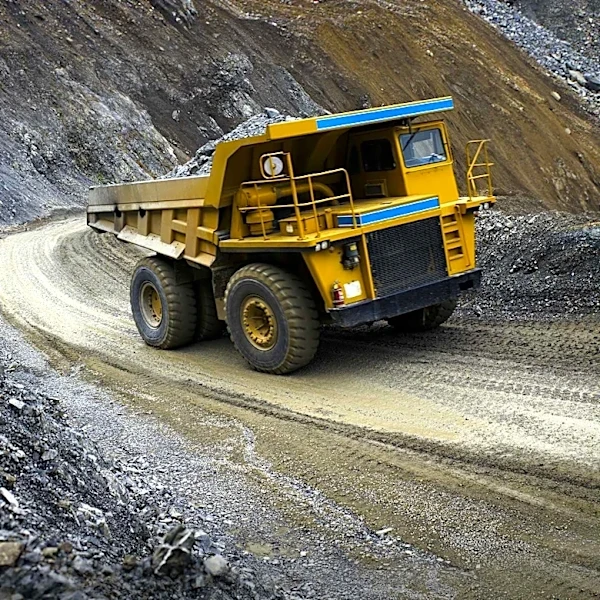
French company Carester has announced plans to build a rare earths separation plant in Malaysia's Perak state. This initiative is part of a 10-year joint venture with Malaco Mining Group, a local mining company. The project aims to extract and process
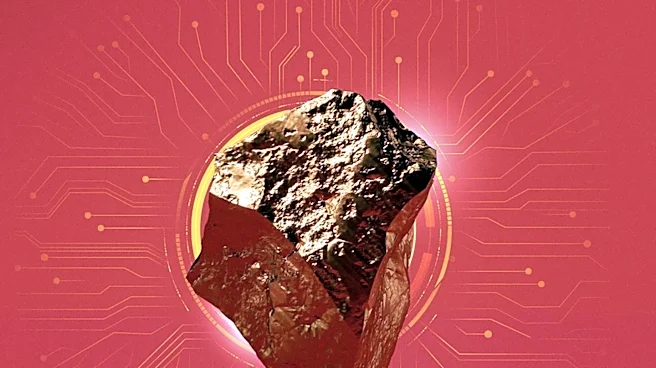
rare earth elements such as actinium, neodymium, praseodymium, dysprosium, and terbium. These elements are crucial for manufacturing medical products, electric vehicles, smartphones, and high-tech defense equipment. The planned facility will have the capacity to process approximately 13,000 tons of rare earths annually. Carester is also developing clean in-situ leaching methods to minimize environmental impact, addressing public concerns over potential pollution and radioactive byproducts. Malaysia is positioning itself as a key player in the rare earths market, seeking to reduce Western reliance on China, the dominant global producer.
Why It's Important?
The establishment of a rare earths separation plant in Malaysia is significant as it represents a strategic move to diversify the global supply chain of these critical minerals. Rare earth elements are essential for various high-tech industries, and the current reliance on China poses risks to supply stability. By developing its own processing capabilities, Malaysia could become a pivotal hub for rare earths, potentially influencing global market dynamics. This development could also impact U.S. industries that depend on these materials, such as technology and defense, by providing alternative sources and reducing geopolitical risks associated with supply disruptions.
What's Next?
As the project progresses, Carester and Malaco will need to secure necessary permissions from local authorities and address environmental concerns to gain public support. The success of this venture could encourage further investments in Malaysia's rare earths sector, potentially leading to increased production and export capabilities. Additionally, Western countries may look to strengthen partnerships with Malaysia to secure a more stable supply of rare earths, further reducing dependency on China. The outcome of this project could also influence policy decisions in the U.S. regarding rare earths sourcing and supply chain resilience.
Beyond the Headlines
The development of a rare earths processing plant in Malaysia highlights broader geopolitical and environmental considerations. As countries seek to secure critical mineral supplies, the environmental impact of mining and processing these elements remains a contentious issue. The adoption of clean in-situ leaching methods by Carester could set a precedent for environmentally responsible practices in the industry. Furthermore, Malaysia's emergence as a rare earths hub could shift global power dynamics, as countries reassess their strategic alliances and trade relationships in response to changing supply chain landscapes.