


What's Happening?
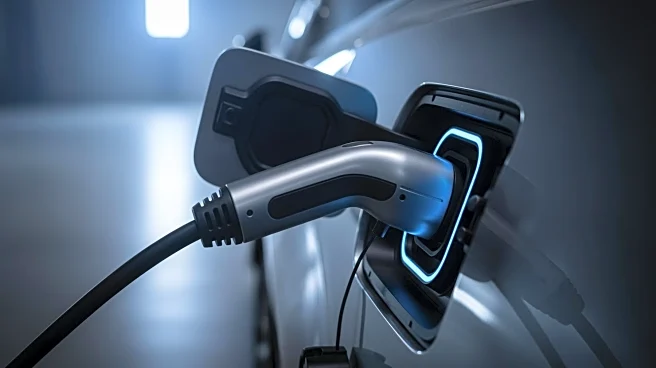
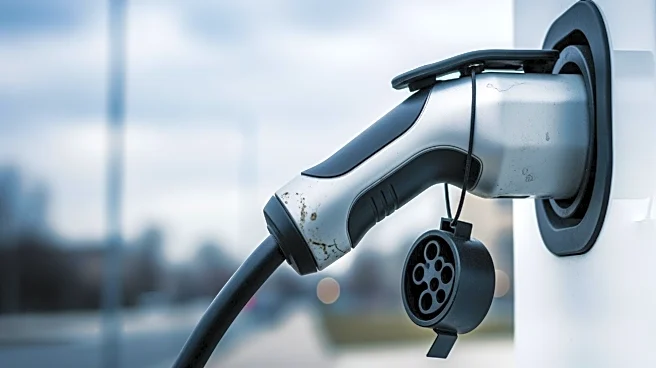
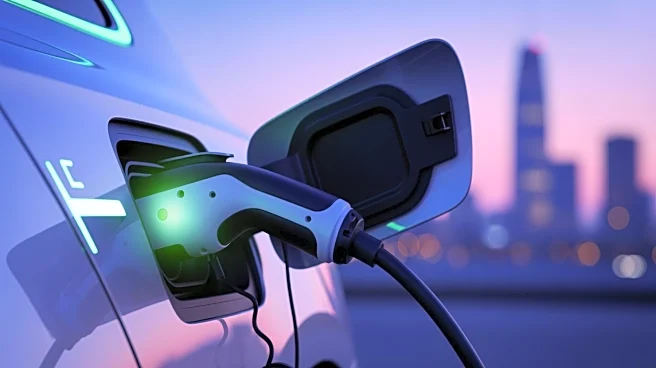
The reliability of public electric vehicle (EV) charging stations remains a significant barrier to widespread EV adoption in the United States. Despite advancements in charging technology, users frequently encounter issues such as non-functional chargers,
complex payment systems, and inconvenient locations. These challenges are highlighted by personal experiences of EV drivers who face difficulties in finding and using public chargers, which often involve navigating multiple apps and dealing with unexpected fees. The inconsistency in public charging infrastructure contrasts with the convenience of home charging, which is a major factor in EV owner satisfaction.
Why It's Important?
The inconsistent reliability of public EV charging stations poses a major obstacle to the transition from gasoline-powered vehicles to electric ones. As the U.S. aims to increase EV adoption to meet environmental goals, the current state of public charging infrastructure could slow progress. Reliable and accessible charging is crucial for encouraging more consumers to switch to EVs, which in turn supports efforts to reduce carbon emissions and combat climate change. The auto industry and government initiatives are working to improve the situation, but significant improvements are needed to meet the growing demand for EVs.
What's Next?
Efforts to enhance public EV charging infrastructure are underway, with initiatives like the Ionna joint venture aiming to expand the network of fast chargers. Additionally, Tesla's decision to open its charging network to non-Tesla vehicles is a positive step towards improving accessibility. However, achieving a reliable and user-friendly public charging experience will require continued investment and innovation. Policymakers and industry leaders must collaborate to address these challenges and ensure that public charging infrastructure can support the anticipated growth in EV adoption.