






What's Happening?
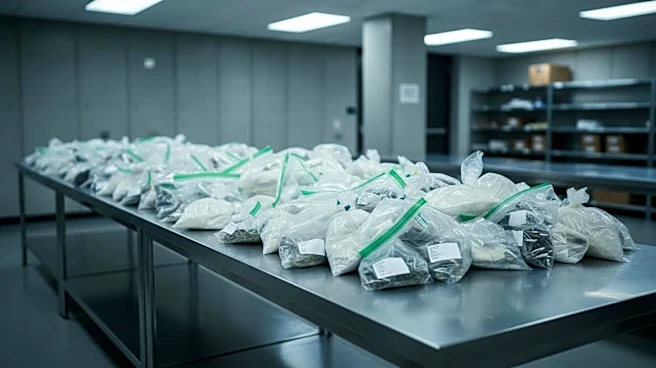
A year-long international investigation has successfully dismantled a transnational criminal organization involved in drug trafficking, leading to the arrest of 10 individuals and the seizure of nearly 396 kilograms of illicit substances. The operation,
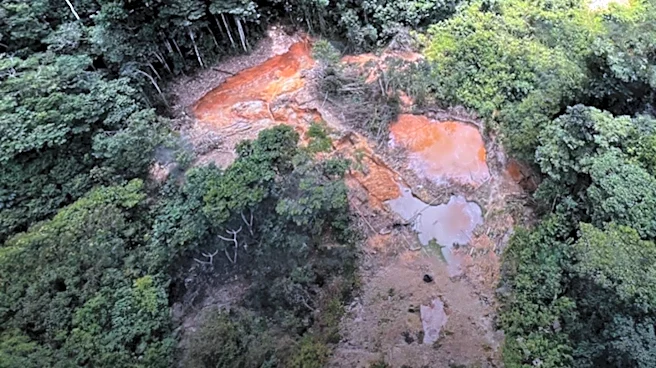
which established connections between the organization and criminal structures in various countries, uncovered drug entry, transit, and exit operations involving cocaine and ketamine. It also led to the dismantling of a clandestine laboratory and the seizure of vehicles and machinery used by the group. The investigation was a collaborative effort involving Chile's Public Prosecutor’s Office, Investigations Police (PDI), Maritime Police Intelligence Directorate (Dipolmar), and National Customs Service. Crucially, international agencies from Australia, the United States, and Europe also participated. Specifically, the U.S. Drug Enforcement Administration (DEA) played a role, alongside the Australian Border Force (ABF) and the Chilean Navy’s Maritime Police, in gathering information and strengthening the identification of the organization's routes, operations, and structures.
Why It's Important?
This successful inter-institutional operation highlights the critical role of international cooperation in combating transnational organized crime, particularly drug trafficking. The involvement of U.S. agencies like the DEA underscores America's commitment to disrupting global drug supply chains that often impact U.S. communities. By targeting drug operations at their source or transit points, such efforts aim to reduce the flow of illicit drugs into the United States, thereby mitigating public health crises and associated crime. The dismantling of this particular network, which had international connections, demonstrates the effectiveness of coordinated intelligence sharing and law enforcement actions across borders. This collaboration also strengthens diplomatic ties and operational capabilities between the U.S. and its international partners, setting a precedent for future joint efforts against complex criminal enterprises. Protecting ports, as highlighted by Chile's National Prosecutor, is vital for national economies and security, preventing them from being exploited by criminal organizations.
What's Next?
Following the arrests, the 10 individuals—three Colombians, two Mexicans, and five Chileans—will face charges related to international drug trafficking. The legal proceedings will likely involve complex international cooperation for evidence sharing and potentially extradition requests. Law enforcement agencies will continue to analyze the seized evidence to identify any remaining members of the network or uncover further connections to other criminal organizations. This operation may also lead to enhanced intelligence sharing protocols and joint training exercises between participating nations to improve future interdiction efforts. The success of this investigation could encourage similar multi-national operations targeting other transnational criminal groups, particularly those exploiting maritime routes and international ports. Furthermore, there may be increased scrutiny and security measures implemented at Chilean ports to prevent future drug trafficking attempts.
Beyond the Headlines
This operation reveals the evolving sophistication of transnational criminal organizations, which often leverage global logistics and communication networks. The collaborative response from multiple countries, including the U.S., signifies a growing recognition that national borders are increasingly porous to such threats, necessitating a unified international front. Beyond drug interdiction, these operations often uncover links to other illicit activities, such as money laundering, human trafficking, and corruption, highlighting the multifaceted nature of organized crime. The ethical and legal challenges of cross-border investigations, including jurisdiction and data privacy, are also brought to the forefront, requiring careful navigation by participating agencies. Long-term, such successes contribute to building a more robust global security architecture, fostering trust and interoperability among international law enforcement bodies, which is crucial for addressing future complex threats that transcend national boundaries.