




What's Happening?
Boulder County Parks & Open Space will host its annual stakeholder meeting concerning prairie dog management on Thursday, December 3, from 5 to 7 p.m. The in-person-only meeting will take place at the Ron Stewart Parks & Open Space Building in Longmont.
Staff will provide information on the various activities conducted in 2026 related to prairie dog management on open space properties, including agricultural lands. Public comment is invited during the meeting. Notably, no changes are proposed to the Prairie Dog Habitat Element of the Grassland and Shrubland Management Policy. The meeting aims to inform stakeholders and gather feedback on current management practices.
Why It's Important?
This annual meeting is significant for environmental policy and land management in Boulder County, Colorado. Prairie dogs are considered a keystone species, and their management impacts the broader ecosystem, including other wildlife and vegetation. The meeting provides a crucial platform for transparency and public engagement in local government decisions regarding wildlife management. For agricultural stakeholders, the management of prairie dog populations on open space properties directly affects their operations and land use. The invitation for public comment ensures that diverse perspectives, including those of conservationists, farmers, and local residents, are considered in policy implementation. The decision to propose no changes to the existing Prairie Dog Habitat Element indicates a stable, albeit potentially contentious, approach to managing these animals, reflecting ongoing efforts to balance ecological needs with human interests.
What's Next?
Following the stakeholder meeting on December 3, Boulder County Parks & Open Space staff will review the public comments received. While no changes are currently proposed to the Prairie Dog Habitat Element of the Grassland and Shrubland Management Policy, public input could influence future operational plans or minor adjustments to management practices. The department will continue to implement its prairie dog management activities as outlined for 2026. Stakeholders and the public will likely monitor the effectiveness of these management strategies and any subsequent reports or updates from Boulder County Parks & Open Space. The ongoing dialogue between the county and its residents is expected to continue through future annual meetings and public outreach efforts.
Beyond the Headlines
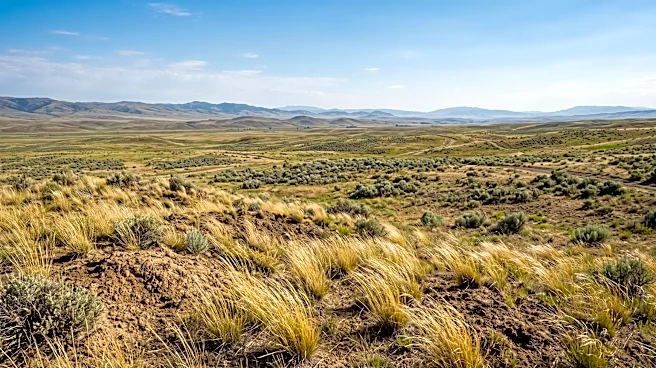
The management of prairie dog populations in Boulder County highlights a complex and often contentious issue in wildlife conservation across the American West. Prairie dogs are vital to grassland ecosystems, creating habitats for other species and influencing soil health, but they can also be viewed as pests by agricultural interests due to their burrowing and grazing habits. This situation reflects the broader challenge of balancing biodiversity conservation with human economic activities and land use. The county's approach, including public meetings and a defined policy, demonstrates an attempt to navigate these competing interests through structured dialogue. The absence of proposed policy changes, despite ongoing management activities, suggests a delicate equilibrium has been reached, or that significant policy shifts are difficult to achieve given the diverse stakeholder opinions and scientific considerations involved.