
What's Happening?
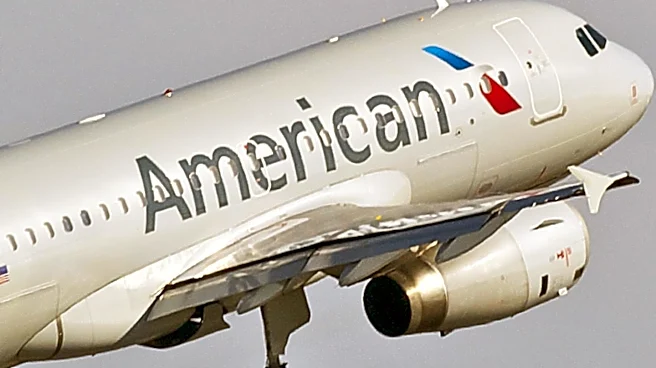
An American Airlines flight bound for Charlotte Douglas International Airport was forced to return to Myrtle Beach International Airport shortly after takeoff due to a bird strike. The incident occurred
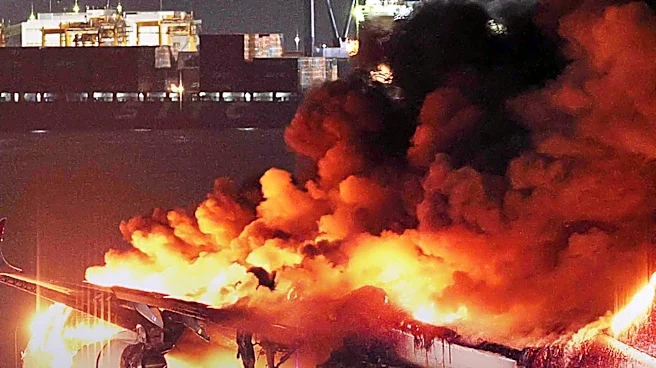
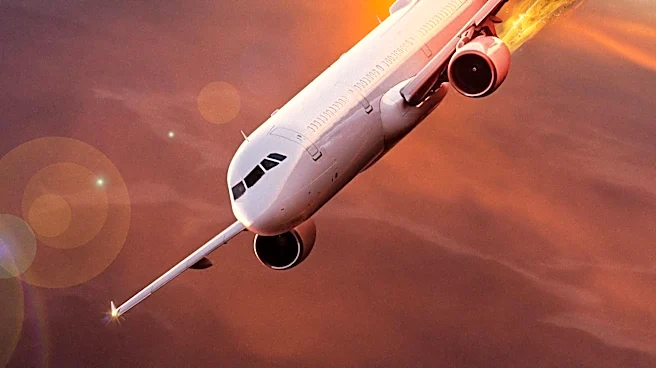
on August 10, 2026, when Flight 1760, carrying 172 passengers, reported the bird strike shortly after departing at 8 a.m. The aircraft landed safely back at Myrtle Beach 36 minutes later. American Airlines officials confirmed that there was no indication of a fire in the engine, although some passengers reported seeing flames and smoke. The plane was taken out of service for inspection by the airline's maintenance team. According to the Federal Aviation Administration, wildlife strikes are a common occurrence, with nearly 20,000 incidents reported at U.S. airports in 2023.
Why It's Important?
The incident highlights the ongoing challenge of wildlife strikes at airports, which pose significant safety risks to aviation operations. Such events can lead to costly delays, aircraft damage, and potential safety hazards for passengers and crew. The safe return of the flight underscores the importance of effective emergency protocols and the need for continuous monitoring and management of wildlife around airports. This incident also raises awareness about the frequency of such occurrences and the measures airlines and airports must take to mitigate risks.
What's Next?
The aircraft involved in the bird strike will undergo a thorough inspection by American Airlines' maintenance team to assess any damage and ensure it is safe for future flights. The airline will likely review its wildlife management strategies to prevent similar incidents. Passengers affected by the delay may seek compensation or rebooking options, and the airline will need to address customer service concerns. Additionally, the FAA and other aviation authorities may use this incident to reinforce the importance of wildlife hazard management at airports.