







What's Happening?
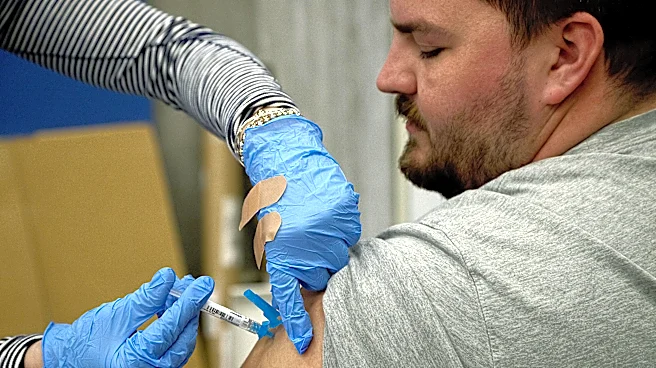
The FDA has approved Moderna's mRNA-based flu vaccine for adults aged 50 and older, marking a significant milestone as it is the first time mRNA technology, previously used in COVID-19 vaccines, has been approved for seasonal flu prevention. This approval
comes at a time when federal funding for mRNA vaccine research has been significantly reduced, raising concerns about the future of mRNA technology development. Smaller companies and universities, which rely heavily on government funding for clinical trials, may face challenges in advancing new vaccines due to these cuts. Despite the funding issues, Moderna has managed to fund its research independently, allowing the flu vaccine to be available within weeks.
Why It's Important?
The approval of the mRNA-based flu vaccine is a crucial development in the field of vaccine technology, offering a more adaptable and potentially more effective option for flu prevention. However, the reduction in federal funding could hinder future advancements in mRNA technology, particularly for smaller entities that lack the resources to conduct independent research. This could slow down the development of new vaccines and limit accessibility, impacting public health efforts to combat seasonal illnesses. The situation highlights the ongoing debate about the role of federal funding in supporting innovative medical research and its implications for future healthcare solutions.
What's Next?
With the approval of the mRNA flu vaccine, attention will likely turn to its rollout and the collection of real-world data on its efficacy and safety. There may also be increased pressure on the government to reconsider funding strategies to support ongoing and future mRNA research. Stakeholders, including healthcare providers and public health officials, will be monitoring the vaccine's impact on flu prevention and its acceptance among the target population. Additionally, discussions around the sustainability of mRNA technology development without federal support are expected to continue.