




What's Happening?
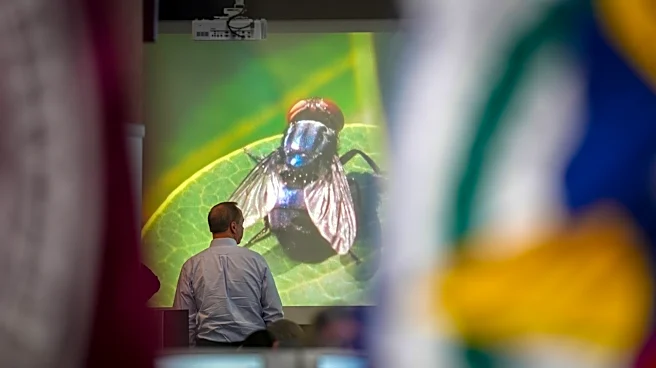
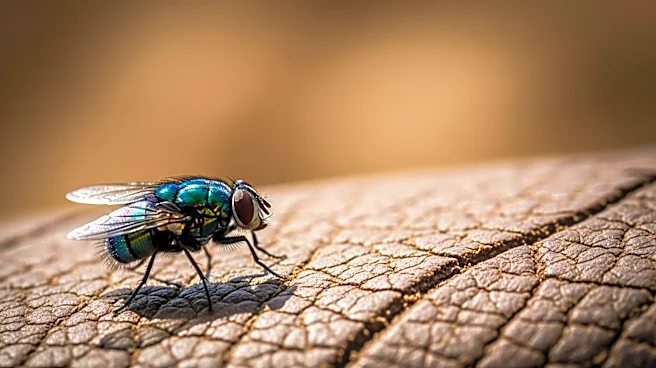
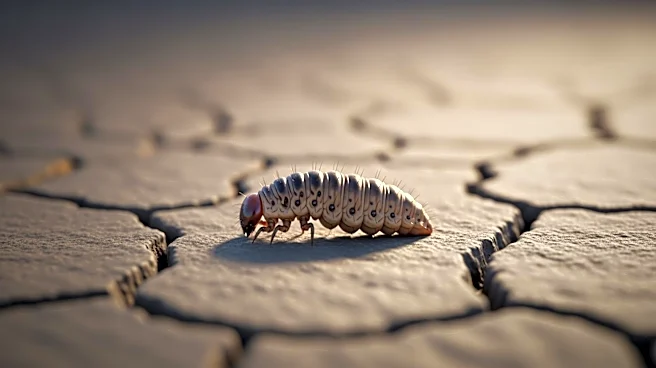
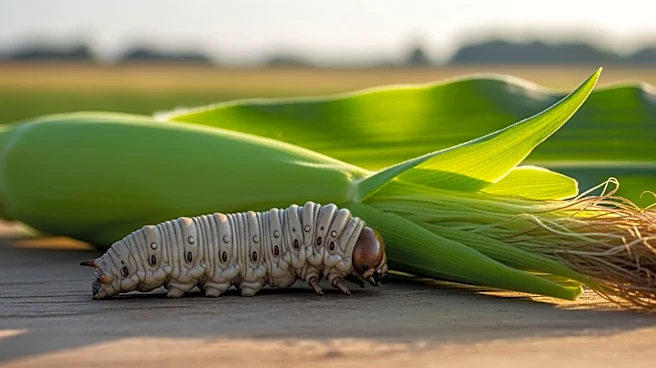
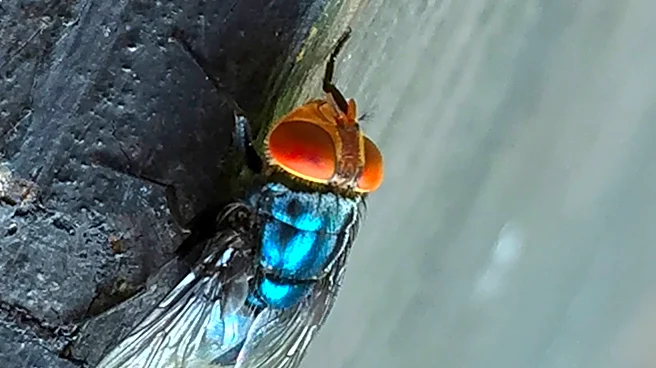
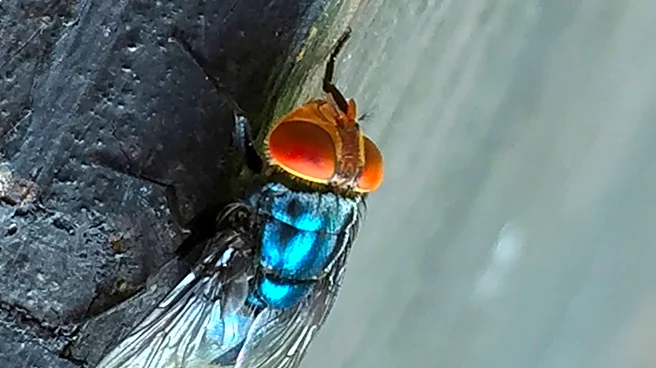
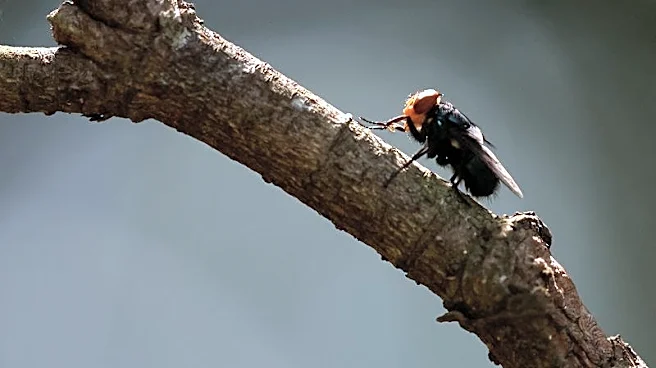
The Iowa Department of Agriculture is closely monitoring a potential threat to the cattle industry posed by the New World screwworm. This parasitic fly, confirmed in a calf from Texas, poses a risk to various animals, including cattle and deer, due to its
rapid spread. Texas Governor Greg Abbott highlighted the fly's ability to infect multiple animal species quickly. In response, the U.S. Department of Agriculture is constructing a facility in Texas to produce sterile flies aimed at eradicating the screwworm. The Iowa Agriculture Department is prepared to act if the pest begins to threaten cattle in Iowa. Importantly, there is no current food safety risk associated with the screwworm.
Why It's Important?
The potential spread of the New World screwworm could have significant implications for the U.S. cattle industry, a vital component of the national economy. The rapid spread of this pest could lead to substantial economic losses for cattle farmers if not contained. The proactive measures by the Iowa Department of Agriculture and the USDA's efforts to produce sterile flies are crucial in preventing a widespread outbreak. The situation underscores the importance of biosecurity measures in protecting livestock and maintaining food supply chains. The absence of a food safety risk is reassuring for consumers, but the threat to livestock remains a concern for agricultural stakeholders.
What's Next?
The Iowa Department of Agriculture will continue to monitor the situation closely, ready to implement containment measures if necessary. The USDA's facility in Texas will play a critical role in producing sterile flies to combat the screwworm. Stakeholders in the cattle industry, including farmers and agricultural organizations, will likely advocate for increased surveillance and preventive measures to protect livestock. Ongoing communication between state and federal agencies will be essential to manage the threat effectively and prevent economic losses.