





What's Happening?
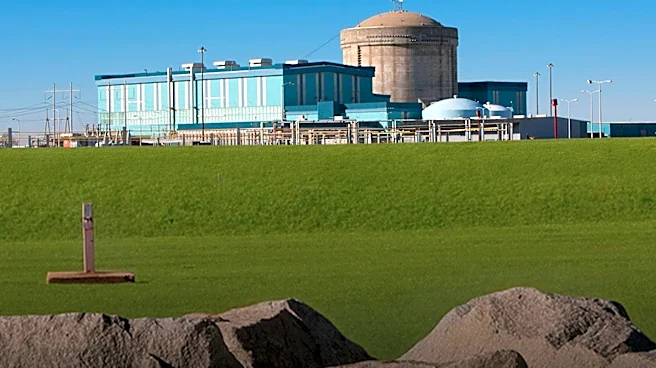
Evan Hansen, a Democratic lawmaker representing Monongalia County, West Virginia, has expressed caution regarding the state's pursuit of nuclear power, despite acknowledging its potential for clean energy. While recognizing that nuclear energy produces
no carbon emissions and could play a role in the state's electricity generation, Hansen highlighted concerns about safety and the disposal of spent nuclear fuel. His comments come as West Virginia considers a proposed memorandum of understanding with the U.S. Department of Energy to establish a Nuclear Lifecycle Innovation Campus, a facility that Idaho, Louisiana, Oklahoma, Tennessee, and Utah have also submitted proposals to operate. Hansen noted that modern nuclear reactors are designed with inherent safety features and are often cheaper to build and more reliable than older models, with many tested by the Department of Energy’s Advanced Reactor Demonstration Program. However, he emphasized that the issue of nuclear waste and its long-term storage remains unaddressed.
Why It's Important?
The lawmaker's cautious stance reflects a broader national debate on the role of nuclear power in achieving clean energy goals, balancing its benefits against persistent concerns about safety and waste management. West Virginia, a state historically reliant on coal, is exploring nuclear energy as part of an 'all of the above' energy strategy to transition to a greener economy. Hansen's emphasis on the need for careful attention to nuclear waste disposal highlights a critical hurdle for widespread nuclear adoption in the U.S. The competition among states to host a Nuclear Lifecycle Innovation Campus underscores the federal government's push for nuclear innovation and the economic opportunities it presents. However, without a clear, viable, and publicly accepted plan for waste, the expansion of nuclear power, even with advanced reactor designs, may face significant public and political resistance, impacting energy policy and infrastructure development.
What's Next?
West Virginia, along with other states like Idaho, Louisiana, Oklahoma, Tennessee, and Utah, will continue to pursue the opportunity to host the U.S. Department of Energy's Nuclear Lifecycle Innovation Campus. Lawmakers like Evan Hansen will likely continue to advocate for careful consideration of nuclear waste disposal plans as part of any nuclear energy expansion. The federal government is expected to provide direction and expertise on handling nuclear waste, with the long-term storage solution, such as Yucca Mountain, Nevada, remaining a central point of discussion. The state's energy strategy will likely involve a mix of energy sources, with ongoing debates about the balance between renewables, traditional fossil fuels, and emerging nuclear technologies. Public health and environmental protection concerns related to nuclear waste will remain a key factor in policy decisions.
Beyond the Headlines
The lawmaker's nuanced position on nuclear power, acknowledging its clean energy potential while stressing waste concerns, reflects a growing pragmatism in energy policy discussions. This approach moves beyond a simple pro- or anti-nuclear stance, instead focusing on practical challenges that must be overcome for broader adoption. The emphasis on nuclear waste disposal touches upon a deeply entrenched societal and ethical dilemma: how to manage hazardous materials that remain dangerous for millennia. The lack of a permanent, universally accepted solution for high-level nuclear waste continues to be a significant barrier, not just for new reactor deployments but also for the existing nuclear fleet. This ongoing challenge could spur further innovation in waste reprocessing or alternative disposal methods, or it could lead to increased public pressure for more transparent and robust long-term storage strategies, influencing future regulatory frameworks and public trust in nuclear technology.