




What's Happening?
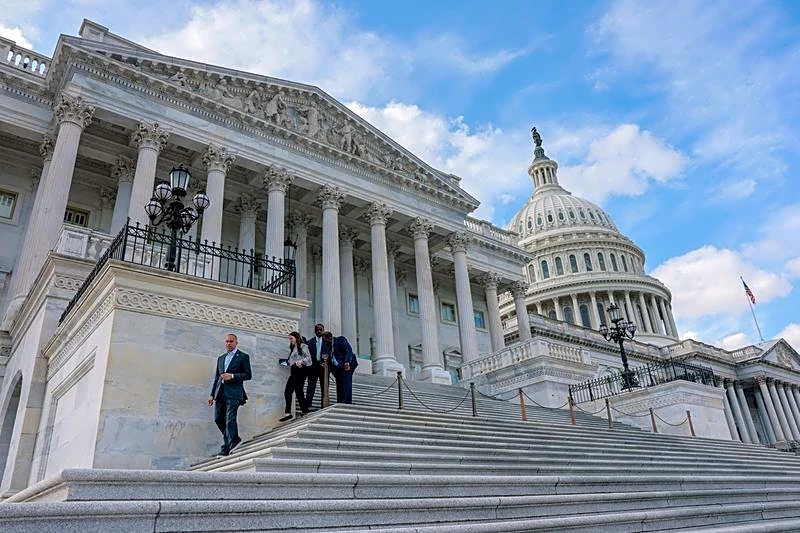
Numerous members of the U.S. Congress are reportedly using their Capitol Hill offices as living quarters to save money, rather than renting expensive apartments in Washington D.C. This practice is driven by the high cost of living in the capital, where
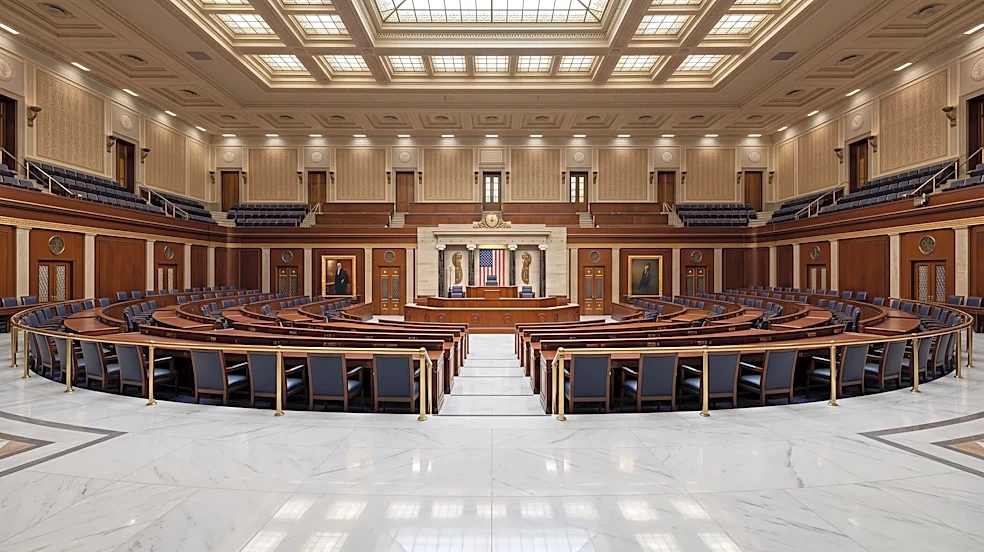
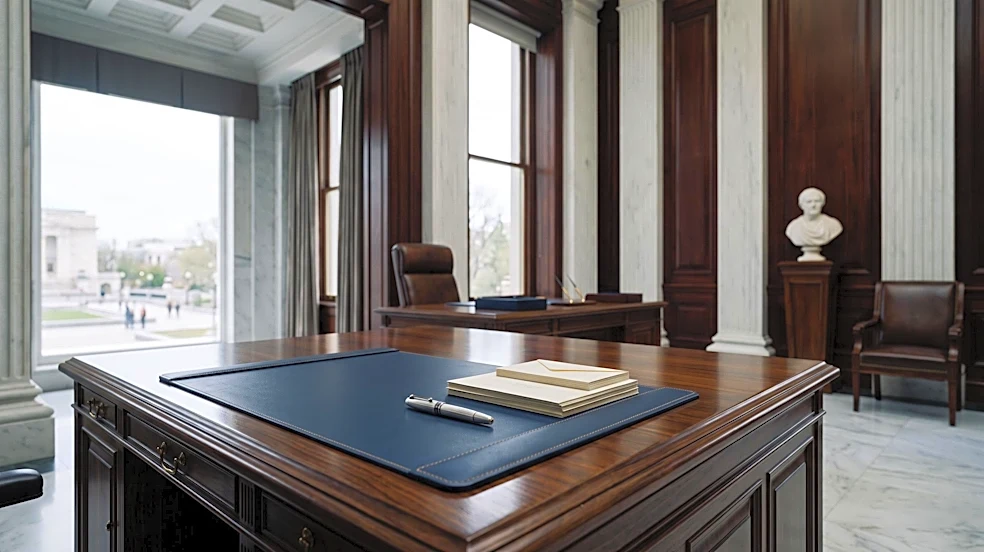
a basic one-bedroom apartment can range from $1,700 to over $2,800 per month, while congressional salaries are set at $174,000 annually. Prominent figures who have adopted this practice include former Speaker of the House Paul Ryan, who was known for sleeping on a cot, and Representative Mike Quigley, who openly shared that he sleeps on a floor mattress in his office to save money for his family. Other members, such as former Representative Kristi Noem, used pullout couches and kept spare blankets in their offices. These offices, located in buildings adjacent to the Capitol, are equipped with amenities like showers, a gym, a commissary, and 24/7 security, making them feasible, albeit unconventional, living spaces.
Why It's Important?
This practice highlights a significant financial challenge faced by members of Congress, particularly those who must maintain residences in both their home districts and Washington D.C. While their salaries are substantial, the dual housing costs can be prohibitive, especially for those with families or limited personal wealth. The decision to live in their offices can be seen as a practical solution to manage personal finances, but it also raises questions about work-life balance, the perception of public service, and the accessibility of congressional roles to individuals from diverse economic backgrounds. It underscores the economic realities that can influence the daily lives of lawmakers and potentially impact their focus and well-being, which in turn could affect their legislative performance and engagement with constituents. This situation also brings to light the often-overlooked personal sacrifices made by some public servants.
What's Next?
While there are no immediate policy changes expected regarding congressional housing, the continued prevalence of this practice could spark further discussion about the financial support provided to members of Congress for living expenses in Washington D.C. This might include debates on increasing congressional salaries, providing housing allowances, or offering more affordable housing options. The public perception of lawmakers living in their offices could also influence future elections, with some voters viewing it as a sign of frugality and dedication, while others might see it as an undignified or unsustainable arrangement. The practice may also prompt internal discussions within Congress about the welfare of its members and staff, particularly concerning the long hours and demanding schedules that often accompany legislative work. Ultimately, the issue could contribute to broader conversations about the financial realities of public service and how to ensure that congressional roles are accessible to a wider range of individuals.
Beyond the Headlines
The phenomenon of members of Congress living in their offices delves into deeper societal and ethical considerations. It challenges the idealized image of a well-compensated public servant and exposes the practical difficulties of balancing a demanding federal role with personal financial responsibilities. This practice can foster a sense of camaraderie among those who share this unique living arrangement, but it also blurs the lines between work and personal life, potentially leading to burnout or a diminished quality of life. Ethically, it raises questions about the appropriate use of taxpayer-funded office space for personal residency, even if it saves public funds in other areas. Culturally, it reflects a broader American narrative of sacrifice and dedication in pursuit of public service, yet it also highlights systemic issues within the compensation structure for elected officials. The long-term implications could include a re-evaluation of congressional benefits and a push for greater transparency regarding the personal financial situations of lawmakers.