


What's Happening?
Illinois lawmakers are experiencing significant delays in advancing legislation for a new Chicago Bears stadium, a process that has been ongoing for over three and a half years since the team purchased Arlington Racetrack. Rep. Kam Buckner noted that similar
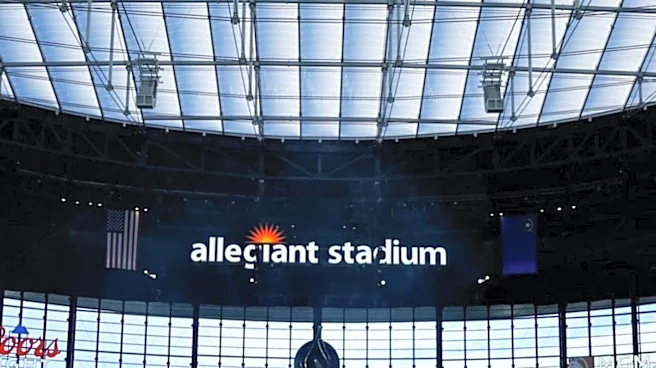
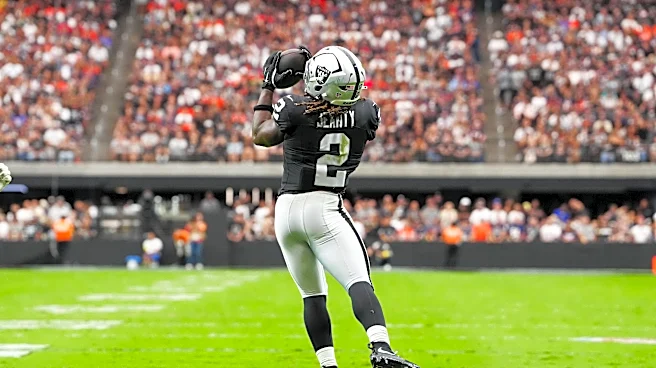
stadium deals, such as the Minnesota Vikings' U.S. Bank Stadium and the Las Vegas Raiders' Allegiant Stadium, took six to six and a half years to finalize, often involving multiple location changes and special legislative sessions. Senator Bill Cunningham, chief sponsor of the Senate's Bears bill, identified two primary reasons for the current stalemate: the lack of unified support from the Chicago mayor and the Illinois governor, a factor present in all previous successful stadium legislation in the state; and the internal conflict arising from pitting Illinois municipalities against each other, particularly when the losing municipality has a large legislative representation. Cunningham also pointed out that stadium moves within a state typically involve local governments covering costs, not state legislatures.
Why It's Important?
The protracted negotiations for the Chicago Bears stadium highlight the complex interplay between professional sports franchises, state and local governments, and community interests. The lack of political consensus, particularly between key state and city leaders, creates significant hurdles for large-scale public-private projects. This situation impacts not only the Bears' future in Illinois but also the potential economic benefits and urban development associated with a new stadium. The competition between municipalities for the stadium underscores the economic stakes involved, as a new venue can bring jobs, tourism, and increased tax revenue. The current impasse also reflects a broader challenge in U.S. politics where local and state interests often diverge, making it difficult to achieve unified action on projects with widespread implications. The financial burden, whether on state or local governments, remains a contentious point, influencing legislative progress.
What's Next?
The future of the Chicago Bears stadium deal remains uncertain, with continued legislative delays expected. The need for alignment between the Chicago mayor and the Illinois governor is critical for any progress. Lawmakers will likely need to address the concerns of various municipalities and find a way to mitigate the internal competition for the stadium's location. The discussion around who bears the financial responsibility—state or local governments—will also be a central point of contention. Without a unified political front and a clear financial plan, the process could continue to drag on, potentially forcing the Bears to reconsider their options or leading to further public frustration. The outcome will set a precedent for how major sports infrastructure projects are handled in Illinois.
Beyond the Headlines
This situation delves into the ethical and practical considerations of public funding for private sports enterprises. The debate over whether taxpayers should subsidize professional sports stadiums is a recurring one across the U.S. The Bears' desire for a new, privately owned space, after decades of not owning their venue, introduces a learning curve for the franchise in navigating complex political and financial landscapes. The comparison to other successful stadium deals in Minnesota and Las Vegas reveals that even with broad support, these projects are inherently time-consuming and intricate. The Illinois case underscores the unique challenges when political leadership is fragmented, and local interests are in direct competition, raising questions about governance effectiveness and the prioritization of public resources versus private business interests.