



What's Happening?
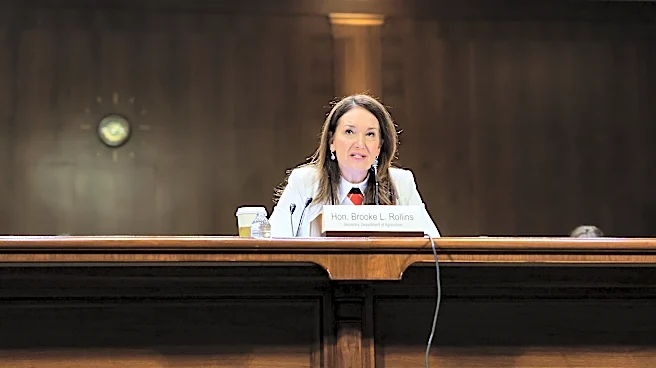
Leaders of the Senate Agriculture, Nutrition, and Forestry Committee are intensifying efforts to pass a five-year farm bill before the end of the current year. This legislative push coincides with a business meeting on November 16, where the committee
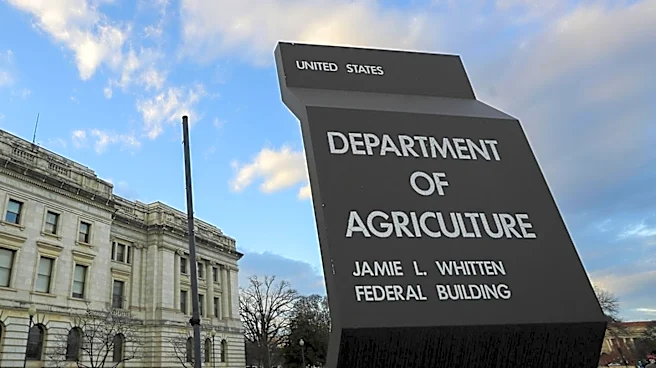
is addressing various items, including testimony from nominees for U.S. Department of Agriculture (USDA) and Farm Credit Administration positions. Among the nominees is Gregory Ibach, who has been put forward as Under Secretary for Trade and Foreign Agricultural Affairs. During his testimony, Ibach informed senators that his priorities would include market development and trade enforcement, acknowledging concerns regarding farm input costs, commodity prices, and export markets. Committee Chairman John Boozman (R-AR) and Ranking Member Amy Klobuchar (D-MN) are leading these efforts.
Why It's Important?
The passage of a five-year farm bill is a critical legislative undertaking that significantly impacts the U.S. agricultural sector, food policy, and rural communities. This comprehensive bill typically covers a wide range of issues, including commodity programs, conservation, nutrition assistance, and agricultural trade. Delays in its passage can create uncertainty for farmers, agribusinesses, and food aid programs, affecting their planning and financial stability. The focus on market development and trade enforcement by nominees like Gregory Ibach underscores the importance of international trade for American agriculture, especially given current challenges such as high input costs and fluctuating commodity prices. The farm bill's provisions directly influence the economic viability of farms and the accessibility of food for millions of Americans.
What's Next?
The Senate Agriculture, Nutrition, and Forestry Committee is actively working to finalize and pass the five-year farm bill before the end of the year. This involves ongoing discussions and potential compromises among lawmakers. Concurrently, the committee will proceed with the consideration and potential confirmation of nominees for key USDA and Farm Credit Administration roles, including Gregory Ibach. The confirmation of these officials is crucial for the effective implementation of agricultural policies and trade strategies. If the farm bill is not passed by year-end, it may face a fresh start in January, potentially delaying critical programs and support for the agricultural sector.
Beyond the Headlines
The push for a new farm bill and the consideration of agricultural nominees reflect broader challenges and shifts within the U.S. agricultural landscape. The emphasis on trade and market access highlights the increasing globalization of food systems and the need for U.S. agriculture to remain competitive internationally. The concerns over farm input costs and commodity prices point to the economic pressures faced by farmers, which can lead to consolidation in the industry and impact rural economies. Furthermore, the farm bill's nutrition provisions are vital for addressing food insecurity, linking agricultural policy directly to public health and social welfare. The legislative process itself also demonstrates the complexities of bipartisan cooperation and the influence of various stakeholders in shaping national policy.