




What's Happening?
The initial group of federal student loan borrowers enrolled in the Saving on a Valuable Education (SAVE) plan has passed its final deadline to select a new repayment plan, with many now being automatically assigned to either a Standard or Tiered Standard plan.
Borrowers in this first wave received 90-day notices starting July 1, 2026, followed by 30-day 'final' notices, setting their deadline around October 29, 2026. The Education Department indicates that automatic withdrawals for those on autopay will increase with the new payment amounts. This transition occurs as federal student loan defaults remain elevated, with Federal Student Aid data showing 9.3 million borrowers currently in default and an additional 1.3 million projected to default in the next six months. Many borrowers have yet to switch plans, with only about 2 million of 7.5 million SAVE borrowers having selected a new option.
Why It's Important?
This development signifies a critical juncture for millions of student loan borrowers, as the shift to new repayment plans will directly impact their monthly financial obligations. The increase in payments, coupled with already high default rates, could exacerbate financial strain for many households. The Education Department's move to automatically assign repayment plans for those who missed the deadline means borrowers may find themselves in plans that are not optimally suited to their financial situations, potentially leading to higher payments than anticipated. This situation could contribute to a further rise in defaults, impacting individual credit scores and the broader economy. The ongoing challenges in managing student loan repayments highlight systemic issues within the federal student loan system and the need for clear communication and accessible options for borrowers.
What's Next?
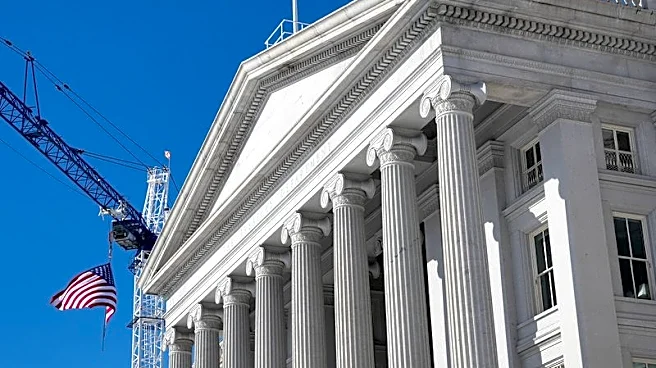
The Education Department will continue sending notices to subsequent waves of SAVE plan borrowers, with all borrowers expected to receive their notices by the end of 2026. Final deadlines for these later groups could extend into March or April 2027. Borrowers whose applications for income-driven repayment plans are pending when their first bill is due can request a processing forbearance, which pauses payments for up to 60 days. Meanwhile, involuntary collections on defaulted federal loans, paused since January 16, 2026, are expected to resume. The Treasury Department is preparing to hire private collection agencies to manage these defaulted loans, although an official announcement regarding hiring has not yet been made. Borrowers on autopay are advised to monitor their accounts for increased withdrawals.
Beyond the Headlines
The transition from the SAVE plan and the rising default rates underscore the persistent challenges of student loan debt in the U.S. The complexity of repayment options and the sheer volume of borrowers create significant administrative hurdles for the Education Department. The potential re-engagement of private collection agencies for defaulted loans raises concerns about the methods and impact of such collections on vulnerable borrowers. This situation also highlights the broader economic implications of student debt, as increased defaults can affect consumer spending, housing markets, and overall financial stability. The ongoing adjustments to repayment plans and collection strategies reflect a continuous effort to manage a massive and intricate financial system, with significant consequences for millions of Americans and the national economy.