


What's Happening?
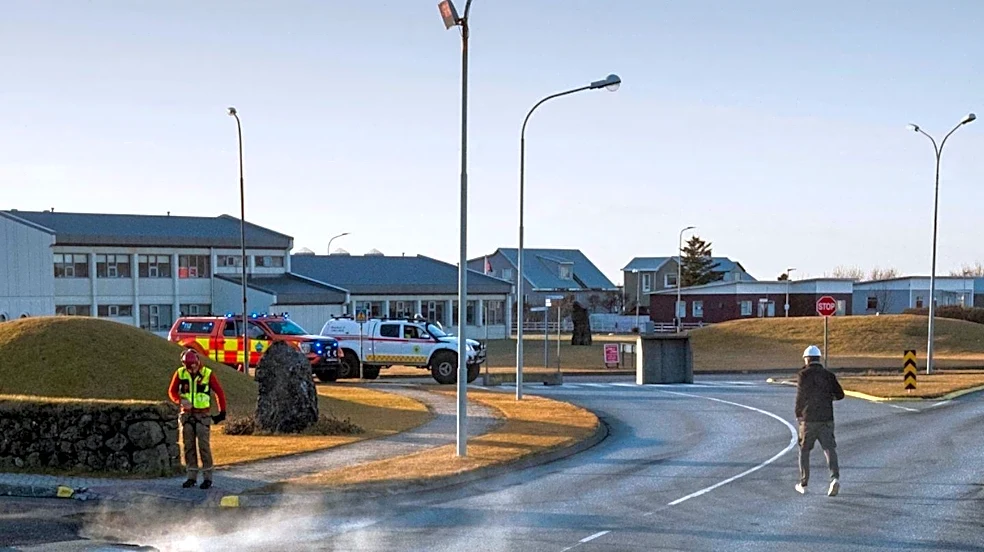
A section of Atlantic Avenue in Raleigh, North Carolina, was closed on Wednesday afternoon due to a gas leak. The affected area is between Hodges Street and Six Forks Road. Crews anticipate that traffic will continue to be impacted through 5 p.m. The cause
of the gas leak is currently under investigation. Drivers in the vicinity are advised to seek alternative routes and allocate additional time for their commutes to avoid delays. The incident has prompted a localized response to manage the situation and ensure public safety.
Why It's Important?
This gas leak and subsequent road closure are important for several reasons, primarily impacting local infrastructure, public safety, and daily commerce in Raleigh. Road closures, especially during peak hours, can lead to significant traffic congestion, affecting commuters, businesses reliant on timely deliveries, and emergency services. The presence of a gas leak poses a direct safety hazard, necessitating immediate action to prevent potential explosions or health risks from gas inhalation. The ongoing investigation into the leak's cause is crucial for identifying any systemic issues in gas line maintenance or construction practices, which could inform future preventative measures. For residents and businesses in the affected area, the disruption underscores the importance of robust utility infrastructure and rapid response protocols.
What's Next?
Authorities will continue their investigation to determine the exact cause of the gas leak on Atlantic Avenue. Once the leak is fully contained and repaired, the road will be reopened to traffic. This process typically involves safety checks and assessments to ensure the area is secure before normal operations resume. Local officials will likely release updates regarding the investigation's findings and any necessary follow-up actions. In the short term, drivers should continue to monitor local traffic reports for real-time information on road conditions and alternative routes. The incident may also prompt a review of gas line infrastructure in the area to prevent similar occurrences in the future.
Beyond the Headlines
Beyond the immediate disruption, this gas leak highlights broader implications concerning urban infrastructure resilience and emergency preparedness. Such incidents can expose vulnerabilities in aging utility systems, prompting discussions about the need for increased investment in infrastructure upgrades and maintenance. The response to this event also serves as a test of local emergency services' coordination and effectiveness in managing public safety crises. Furthermore, the incident could raise public awareness about gas safety and the importance of reporting suspected leaks promptly. In the long term, a thorough investigation could lead to policy changes or enhanced regulations for utility companies, aiming to minimize the risk of future leaks and ensure the safety and reliability of essential services for the community.