






What's Happening?
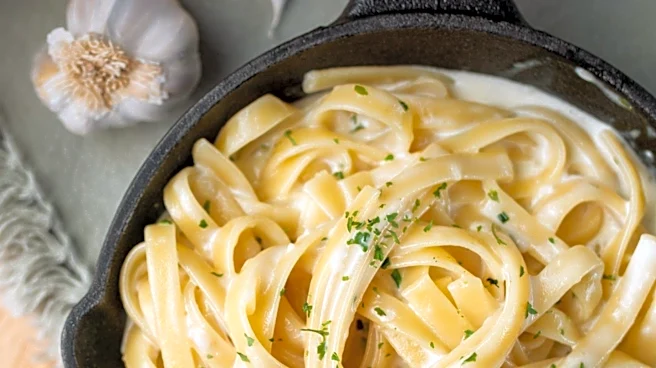
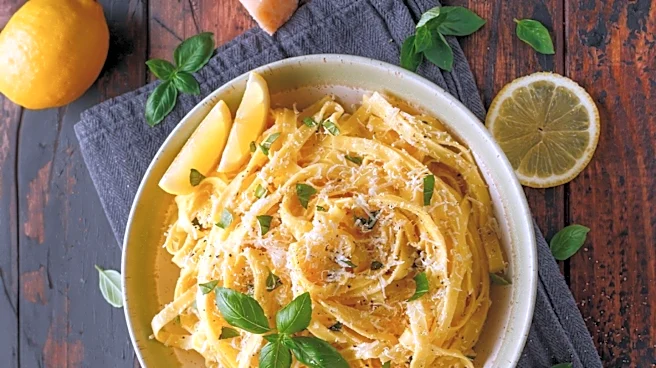
The U.S. Food and Drug Administration (FDA) has issued an alert regarding a potential listeria contamination in Bettergoods Authentic Italian Lemon Alfredo Fettuccine, a product sold at Walmart stores nationwide. Gias Foods, Inc. is recalling two specific
lots of this frozen pasta due to the possible presence of *Listeria monocytogenes*. The affected product is identified by its 22-ounce yellow plastic packaging, UPC 194346442706, and lot numbers L6079C or L6080C, with expiration dates of 09/19/2027 or 09/20/2027. The potential contamination was discovered through routine sampling conducted by the Washington State Department of Agriculture and the Florida Department of Agriculture and Consumer Services. As of the recall announcement, no illnesses have been reported. Consumers who have purchased this specific product are advised not to consume it and to return it to Walmart for a full refund. Gias Foods has halted distribution of the affected product and is investigating the issue.
Why It's Important?
This recall is significant due to the serious health risks associated with *Listeria monocytogenes* contamination. Listeria infection can lead to severe illness, particularly in vulnerable populations such as young children, older adults, individuals with weakened immune systems, and pregnant women. For pregnant women, listeria infection can result in miscarriage or stillbirth, highlighting the critical importance of immediate action. The widespread availability of the product at Walmart stores nationwide means a large number of consumers could potentially be affected. This incident underscores the continuous need for rigorous food safety protocols and monitoring within the food supply chain to protect public health. It also emphasizes the role of state and federal agricultural departments in identifying and preventing foodborne illnesses through routine testing and surveillance.
What's Next?
Consumers who have purchased the recalled Bettergoods Authentic Italian Lemon Alfredo Fettuccine should immediately check their freezers for the specified product and return it to any Walmart store for a full refund. Gias Foods is expected to continue its investigation into the source of the contamination to prevent future occurrences. The FDA will likely monitor the recall process and any further developments related to the contamination. Public health officials will remain vigilant for any reported illnesses that might be linked to the consumption of the recalled product. This event may also prompt other food manufacturers and retailers to review their own food safety procedures and supply chain integrity to ensure similar incidents are avoided.
Beyond the Headlines
Beyond the immediate health concerns, this recall highlights the complex challenges of maintaining food safety in a globalized food production and distribution system. The detection of contamination through routine sampling by state agricultural departments demonstrates the effectiveness of current regulatory frameworks, but also points to potential vulnerabilities that can arise even with established protocols. The incident could lead to increased scrutiny of frozen food production processes and ingredient sourcing. Furthermore, it reinforces the importance of consumer awareness and vigilance regarding food recalls, as prompt action can prevent serious health consequences. The financial implications for Gias Foods and Walmart, including potential loss of consumer trust and costs associated with the recall, also underscore the economic impact of food safety failures.