



What's Happening?
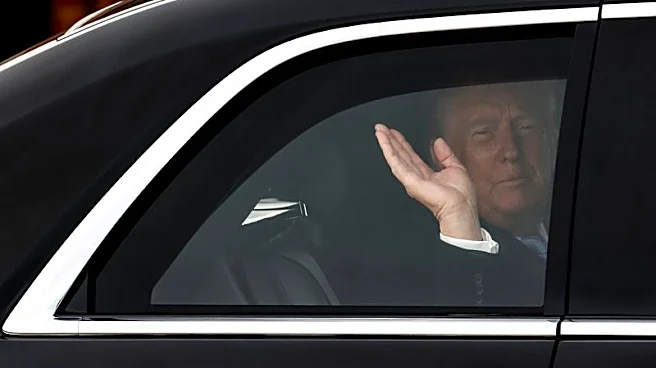
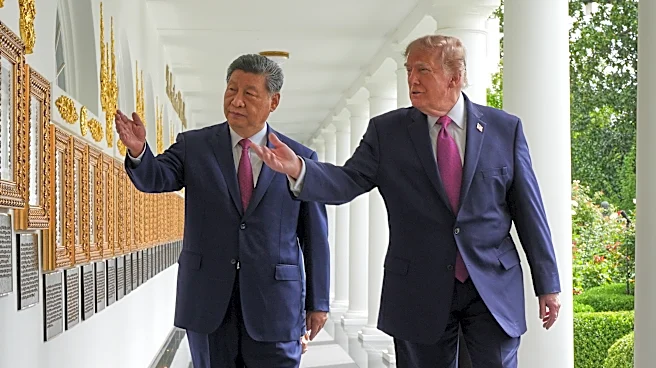
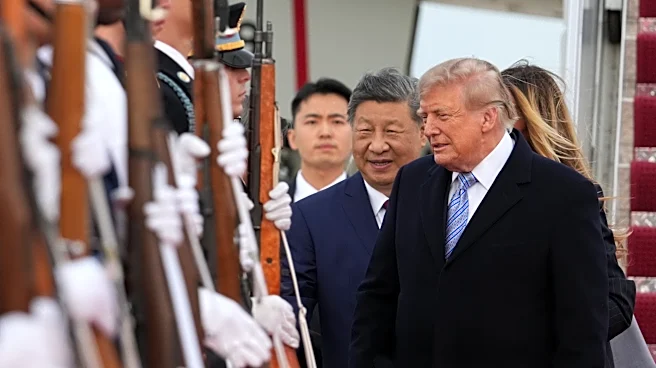
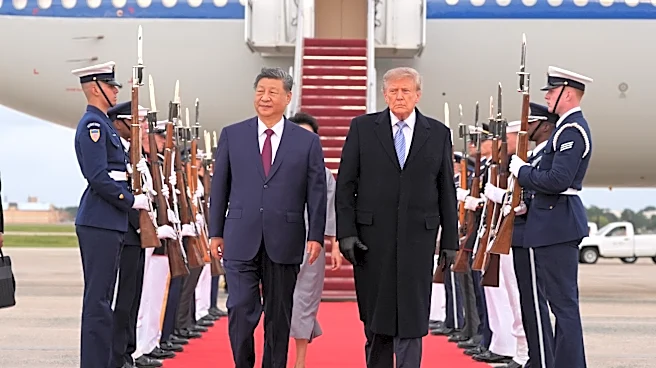
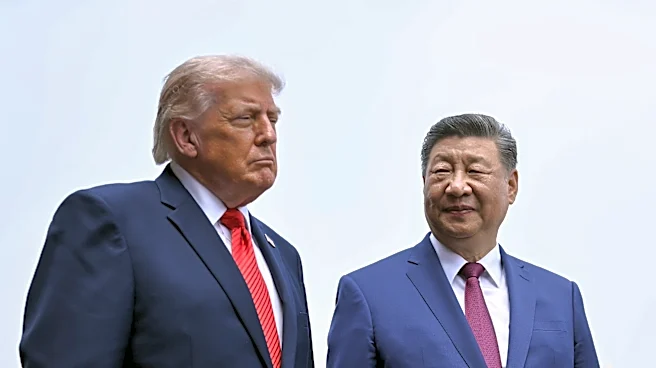
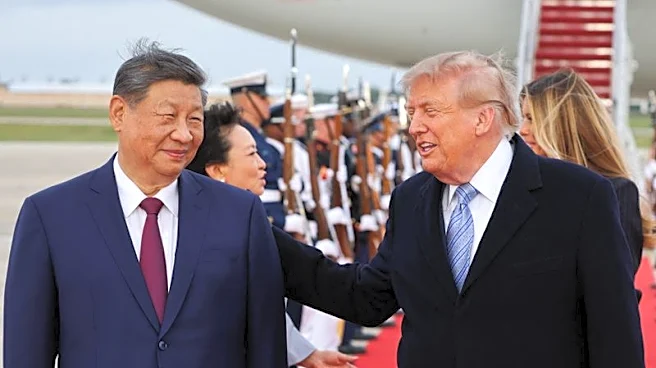
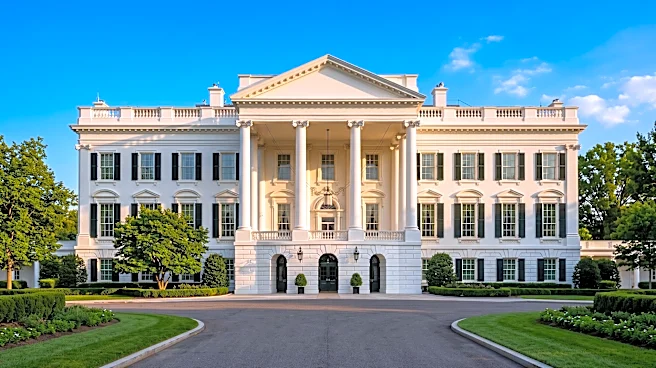
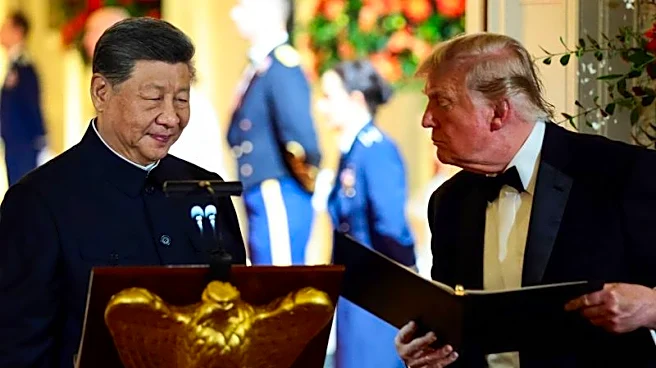
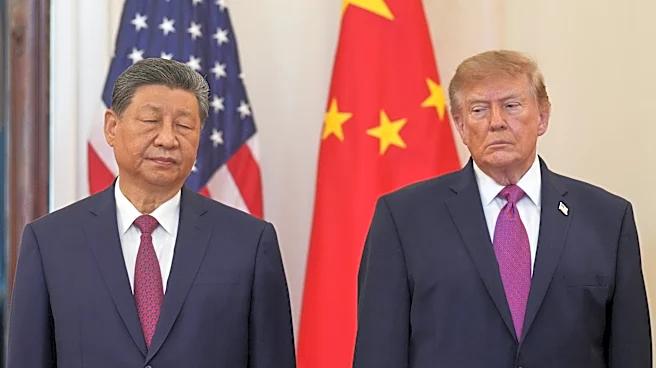
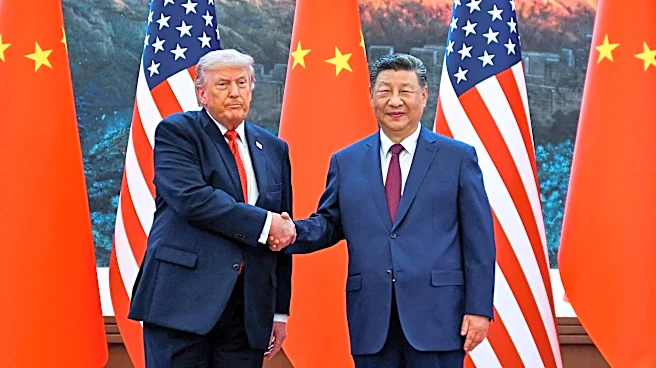
President Trump welcomed Chinese President Xi Jinping for a state visit in Washington, D.C., focusing on strengthening the relationship between the two nations despite ongoing trade tensions. President Trump emphasized the 'truly great friendship' he has forged
with President Xi since his 2016 election, built on mutual respect and the vital interests of their people. Discussions included thorny issues such as China's influence on Iran regarding the nearly seven-month war, and China's requests for the U.S. to halt arms sales to Taiwan and loosen export restrictions on advanced chips. The two sides agreed to extend a one-year trade truce by two months, which was set to expire on November 10. President Xi highlighted the deeply intertwined interests of China and the U.S., advocating for healthy competition and warning against the 'Thucydides trap,' where a rising power threatens an established one, often leading to conflict. He also announced China's plan to invite 100,000 American youth for studies and exchanges over the next five years and send two pandas to the Atlanta zoo as 'envoys of friendship.'
Why It's Important?
This state visit is crucial for U.S.-China relations, as it addresses significant economic and geopolitical issues. The extension of the trade truce provides a temporary reprieve from escalating trade conflicts, offering more time for a durable agreement to be reached. The discussions on artificial intelligence (AI) are particularly significant, as both leaders acknowledged the technology's growing global anxiety regarding job displacement and potential threats to humanity. Their shared commitment to ensuring AI remains under human control and serves human well-being could set a precedent for international cooperation on AI governance. China's initiatives, such as inviting American youth for exchanges and sending pandas, aim to foster goodwill and cultural understanding, potentially easing diplomatic tensions. However, the visit has drawn criticism from some U.S. lawmakers who question the lavish welcome given the 'troubling issues' with China and its Communist Party, indicating the complex and often contentious nature of the relationship.
What's Next?
Following the initial talks, President Trump and President Xi are scheduled to attend a black-tie dinner in the White House East Room, featuring red décor and a toast honoring former President Richard Nixon. This event will likely continue diplomatic discussions in a more informal setting. The two-month extension of the trade truce means that negotiations for a more permanent trade agreement will intensify. The U.S. and China will continue to explore a proposed 'notification mechanism' for AI incidents, which could lead to further collaboration on AI safety and regulation. The announced cultural exchange programs, including the invitation for American youth and the arrival of pandas in Atlanta, will proceed, aiming to strengthen people-to-people ties. However, the underlying geopolitical and economic tensions, including issues related to Taiwan and Iran, will likely persist and require ongoing diplomatic engagement.
Beyond the Headlines
The visit underscores the delicate balance between cooperation and competition that defines the U.S.-China relationship. President Trump's emphasis on personal friendship with President Xi, despite significant policy differences, highlights a personalized approach to diplomacy. The 'Thucydides trap' warning from President Xi reflects a deeper concern about historical patterns of conflict between rising and established powers, suggesting a desire to avoid such a trajectory. The focus on AI, rebranded by President Trump as 'superintelligence,' indicates a growing recognition at the highest levels of government about the transformative and potentially disruptive nature of this technology. The criticism from U.S. lawmakers regarding the lavish welcome points to a broader debate within the U.S. about the appropriate stance towards China, balancing economic interests with human rights and national security concerns. The symbolic gestures, like the pandas, serve as a reminder of the long history of cultural diplomacy between the two nations, often used to bridge political divides.