







What's Happening?
ComEd, in collaboration with the Metropolitan Mayors Caucus, has honored nine communities in northern Illinois for their progress in the 2026 EV Readiness Program. This initiative, launched in 2022, aims to prepare municipalities for the increasing adoption
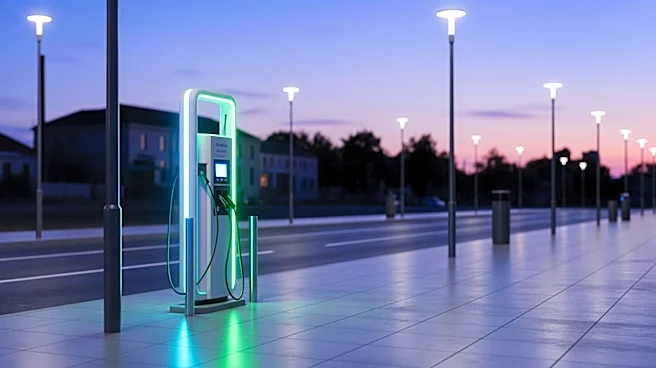
of electric vehicles (EVs) by enhancing local policies, permitting processes, and first-responder readiness. The program's recent award ceremony in Northbrook, Illinois, celebrated the efforts of these communities in building infrastructure to support a sustainable transportation future. The program encourages municipalities to update zoning codes, streamline permitting, and engage with the community to facilitate EV adoption. Notable achievements include the installation of nearly 300 EV charging stations in Downers Grove and the opening of a 40-bay BP Pulse charging hub in Des Plaines. The state of Illinois, under the Climate and Equitable Jobs Act, aims to have one million electric vehicles on the road by 2030.
Why It's Important?
The recognition of these communities underscores the critical role local governments play in the transition to electric transportation. As EV adoption grows, the need for robust infrastructure becomes paramount to support this shift. The program not only aids in reducing barriers to EV charging but also aligns with Illinois' broader environmental goals. By facilitating the expansion of EV infrastructure, these efforts contribute to reducing carbon emissions and promoting sustainable urban development. The initiative also highlights the importance of collaboration between public and private sectors in achieving environmental objectives. The success of the program could serve as a model for other states aiming to enhance their EV readiness and infrastructure.
What's Next?
As the program continues, more communities are expected to join and benefit from the resources and guidance provided. The ongoing collaboration between ComEd, the Metropolitan Mayors Caucus, and local governments will likely lead to further advancements in EV infrastructure. Future steps may include expanding the program to additional municipalities and increasing the number of EV charging stations. The state will continue to monitor the progress towards its goal of one million electric vehicles by 2030, adjusting strategies as needed to ensure successful implementation. Stakeholders, including local businesses and residents, are expected to play a significant role in supporting these initiatives.