



What's Happening?
Pakistan is hosting critical negotiations between the United States and Iran, aimed at solidifying a ceasefire and potentially paving the way for a lasting peace agreement. The talks are taking place in Islamabad, with heightened security measures including
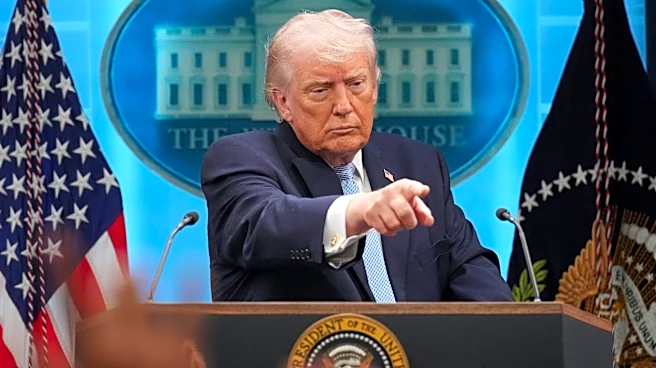
a lockdown of the city and deployment of army troops and paramilitary Rangers. Pakistani Prime Minister Shehbaz Sharif emphasized the urgency of the moment, stating it is 'now or never' for reaching a permanent ceasefire. The discussions are clouded by security fears and threats from President Trump, who has expressed skepticism about Iran's intentions. The talks are expected to continue over the weekend, with several potential venues under consideration, including the Serena Hotel and the prime minister's office.
Why It's Important?
The negotiations in Islamabad are significant as they represent a rare diplomatic effort to resolve tensions between the US and Iran, which have been exacerbated by recent conflicts. Pakistan's role as a mediator highlights its growing influence in regional diplomacy, despite its own internal challenges. Successful talks could lead to a reduction in hostilities and stabilize the region, benefiting neighboring countries and global markets. However, the presence of conflicting demands from both sides, such as Iran's control over the Strait of Hormuz and compensation for war damages, poses challenges to reaching a consensus. The outcome of these talks could have far-reaching implications for international relations and economic stability.
What's Next?
The talks are expected to continue over the weekend, with both sides preparing proposals that include contentious points. The US delegation, led by Vice President JD Vance, is optimistic but cautious about Iran's intentions. The discussions may lead to further negotiations involving other regional players, such as Gulf states, which have been affected by the conflict. The success of these talks could pave the way for broader peace negotiations, potentially involving Israel and Lebanon, which are also experiencing tensions. The international community will be closely monitoring the developments, as they could influence future diplomatic and economic strategies.