





What's Happening?
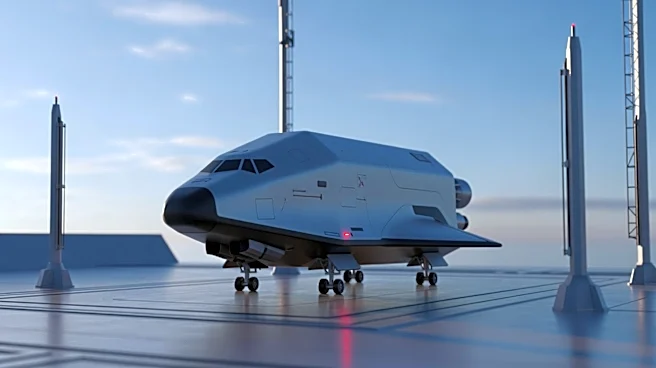
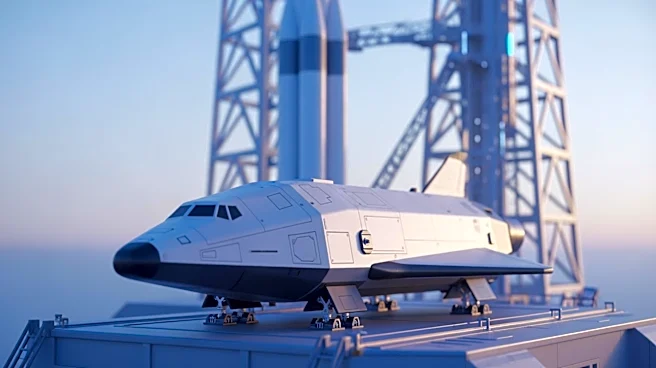
Russia has successfully launched the Progress 95 cargo spacecraft, carrying nearly three tons of supplies to the International Space Station (ISS). The launch took place from the Baikonur Cosmodrome in Kazakhstan on April 25, 2026. The mission is crucial
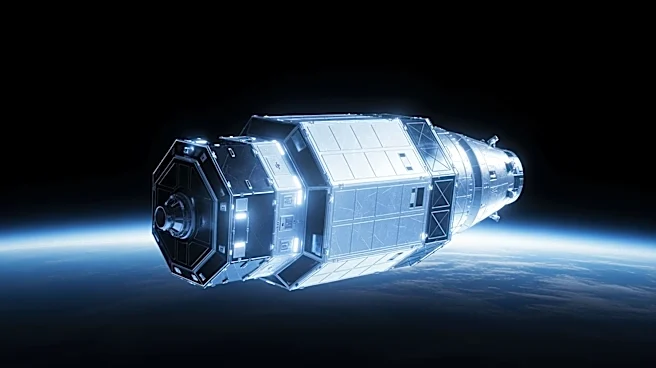
for maintaining the ISS's operations, providing essential items such as food, fuel, and equipment. The spacecraft is scheduled to dock with the ISS on April 27, following a precise orbital rendezvous. This mission is part of a continuous cycle of resupply efforts that ensure the station remains operational, highlighting the importance of international collaboration in space exploration.
Why It's Important?
The resupply mission underscores the critical role of international cooperation in sustaining human presence in space. The ISS relies on a diverse fleet of cargo spacecraft from various countries, including Russia's Progress, Japan's HTV-X, Northrop Grumman's Cygnus, and SpaceX's Dragon. These missions are vital for supporting scientific research and technological advancements conducted in microgravity. The ability to maintain a steady flow of supplies to the ISS is essential for ongoing experiments and the well-being of astronauts. Despite geopolitical tensions on Earth, space agencies continue to collaborate, demonstrating the resilience and continuity of space operations.
What's Next?
Following the successful docking of Progress 95, the ISS crew will begin unloading the supplies and integrating them into the station's operations. The mission is expected to last about seven months, after which the spacecraft will be filled with waste and deorbited. This predictable lifecycle allows for efficient planning of future resupply missions. As the ISS approaches the later stages of its operational life, discussions about its future and potential successors are ongoing. The continued success of resupply missions will play a crucial role in determining the station's longevity and the future of international space collaboration.