





What's Happening?
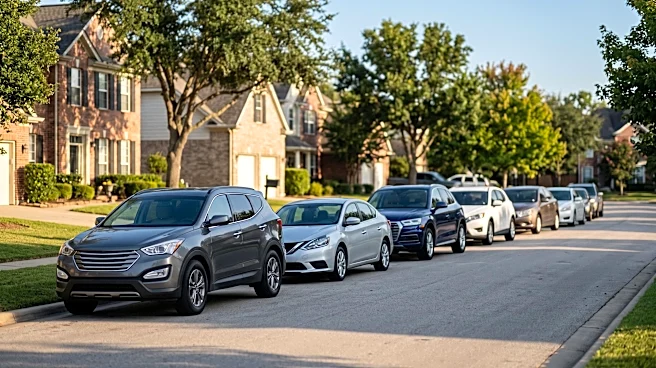
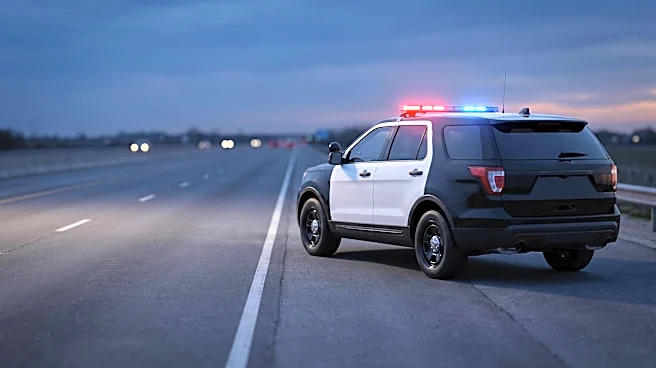
Montgomery County, Maryland, has seen a significant 22% increase in vehicle thefts over the 12 months ending July 28, with 1,569 vehicles reported stolen. This rise contrasts sharply with a broader national trend of declining car thefts. Specifically,
Silver Spring's 3rd District recorded the highest number of stolen vehicles at 444, followed by the 6th District (Gaithersburg and Montgomery Village) with 324, and the 4th District (Wheaton) with 322. These three districts collectively account for nearly 70% of the county's total vehicle thefts during this period. The increase reverses a previous decline observed after a major spike in 2023, when 3,366 vehicles were stolen. Assistant Chief Darren Francke noted that while efforts with automakers like Kia and Hyundai to reprogram vehicles had initially been successful, new trends, possibly influenced by social media, are contributing to the renewed surge. Police also report that 90 of the 136 individuals arrested for vehicle theft in the county this year were minors.
Why It's Important?
This surge in car thefts in Montgomery County is important because it highlights a localized crime trend that defies national patterns, indicating unique challenges within the community. The disproportionate involvement of minors in these thefts suggests underlying social or economic factors that may be contributing to juvenile delinquency, requiring targeted intervention strategies. The use of technology by thieves to bypass traditional security measures, such as programming or duplicating vehicle keys, signals an evolving threat landscape for vehicle owners and law enforcement. This necessitates continuous adaptation of security measures and public awareness campaigns. Furthermore, the fact that stolen vehicles are often used in other crimes underscores the broader public safety implications, extending beyond property loss to potential increases in other criminal activities. The situation also puts pressure on local law enforcement to develop more effective strategies to combat these sophisticated theft methods and address the root causes of juvenile involvement.
What's Next?
Montgomery County police are continuing to work with automakers and implement community policing projects to address the rising car theft rates. Efforts will likely focus on adapting to new theft methods, such as those involving technology, and enhancing public awareness regarding vehicle security. Police and AAA recommend several precautions for drivers, including consistently locking vehicles, keeping key fobs away from doors and windows, parking in well-lit areas, and considering additional anti-theft devices like steering wheel locks or RFID-blocking cases. Law enforcement will also likely continue to investigate the role of social media in facilitating these thefts and explore strategies to counter such influences. Addressing the significant involvement of juvenile offenders will require collaborative efforts between law enforcement, schools, and community organizations to implement preventative programs and provide alternative pathways for at-risk youth.
Beyond the Headlines
The localized increase in car thefts in Montgomery County, particularly with the high involvement of minors and the use of advanced technology, points to deeper societal and technological shifts. The influence of social media in disseminating methods for vehicle theft highlights the double-edged sword of digital connectivity, where information can be used for both positive and negative purposes. This raises questions about the responsibility of social media platforms in curbing the spread of content that facilitates criminal activity. The trend also underscores a potential generational gap in criminal behavior, with younger individuals adapting quickly to new technologies for illicit gains. Addressing this issue effectively will require not only law enforcement intervention but also a comprehensive approach that includes digital literacy education, community engagement, and potentially, policy discussions around the accountability of tech platforms. The economic impact on residents, including increased insurance premiums and the psychological toll of property crime, also warrants consideration.