





What's Happening?
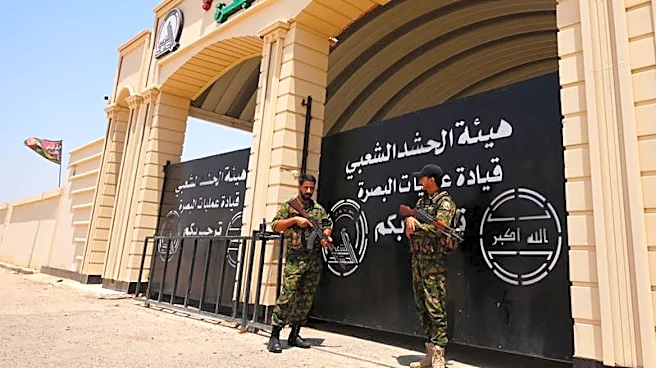
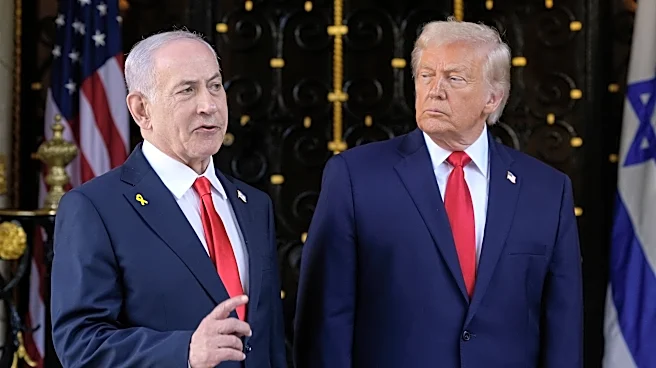
Hostilities between the U.S. and Iran have resumed following missile attacks by Iran on U.S. forces in the Middle East. The U.S. and Saudi forces responded with attacks on Iranian-backed militias in Iraq. This escalation coincides with President Trump's
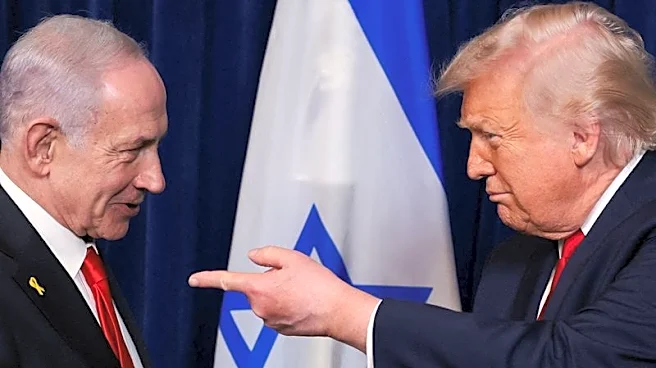
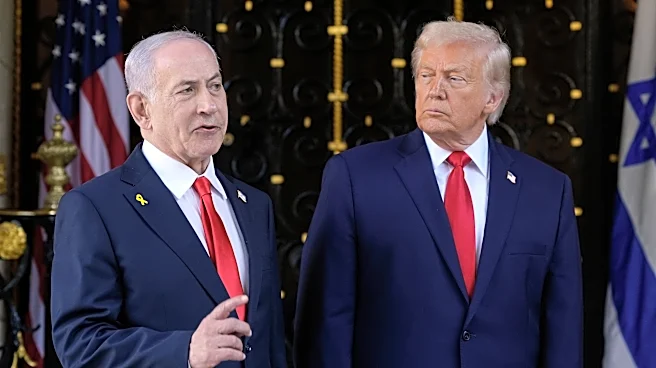
meetings with Israeli Prime Minister Netanyahu and Ukrainian leader Zelenskyy at the White House. Meanwhile, Dr. Anthony Fauci is set to testify before a Senate committee regarding the origins of the COVID-19 pandemic. The hearing is part of ongoing investigations into the virus's origins, with debates centering on whether it originated from a Chinese lab or spread naturally.
Why It's Important?
The resumption of hostilities between the U.S. and Iran underscores the fragile geopolitical landscape in the Middle East. The conflict has implications for regional stability and global energy markets, particularly concerning the Strait of Hormuz. Domestically, the Senate hearing on COVID-19 reflects ongoing political scrutiny and public interest in understanding the pandemic's origins. The outcome of these investigations could influence public health policies and international relations, particularly with China. The dual focus on international conflict and domestic health issues highlights the complex challenges facing U.S. policymakers.
What's Next?
The U.S. may need to navigate diplomatic channels to de-escalate tensions with Iran while maintaining regional security. The Senate hearing could lead to further investigations or policy recommendations regarding pandemic preparedness and response. Both situations require careful management to prevent further escalation and to address public concerns effectively.