





What's Happening?
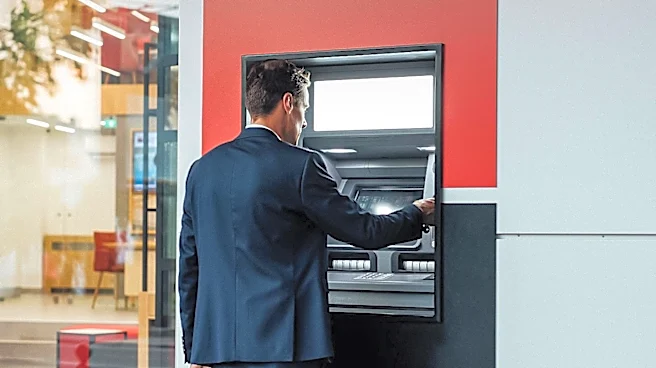
Minnesota has enacted a ban on cryptocurrency ATMs, effective immediately, following reports of nearly $1 million lost in scams since 2023. The legislation, signed by Democratic Governor Tim Walz, prohibits the installation of new crypto ATMs and mandates
the removal of existing machines by December 31. State officials have highlighted that these ATMs were used by scammers to target elderly residents, often impersonating law enforcement to coerce victims into transferring money. Investigator Paul Haas from Minnesota's Department of Commerce noted the emotional and financial devastation experienced by victims. The state reported 70 cases of fraud last year, with an average loss of $6,800 per transaction. Unlike traditional banking transactions, crypto transactions are irreversible and difficult to trace, lacking the consumer protections available for bank and credit card transactions.
Why It's Important?
The ban on crypto ATMs in Minnesota underscores the challenges of regulating digital currencies and protecting consumers from fraud. This move highlights the vulnerabilities in the current regulatory framework for cryptocurrencies, which lack the consumer protections found in traditional financial systems. The decision reflects a growing concern over the use of digital currencies in fraudulent activities, particularly targeting vulnerable populations like seniors. The ban may prompt other states to consider similar measures as they grapple with the balance between innovation in financial technology and consumer protection. Additionally, the federal government is under pressure to establish more stringent regulations for digital currencies to prevent such scams.
What's Next?
As Minnesota enforces the ban, other states may observe the outcomes and consider implementing similar restrictions. The federal government is likely to continue its efforts to regulate digital currencies more stringently, potentially leading to new legislation aimed at enhancing consumer protections. Businesses operating crypto ATMs may need to adapt to changing regulations and explore alternative models that ensure compliance and consumer safety. The ban could also spark discussions on the broader implications of digital currency regulation and the need for a unified approach to address the challenges posed by emerging financial technologies.