





What's Happening?
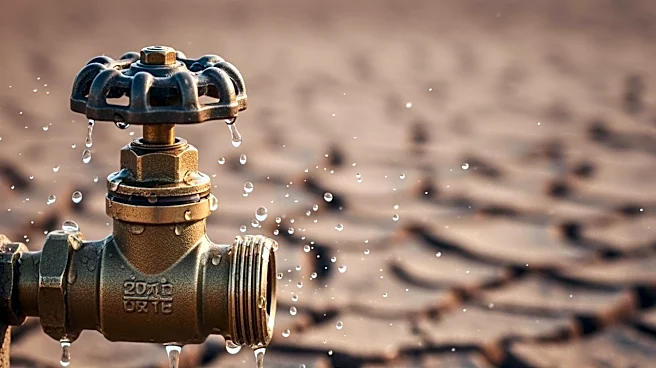
Raleigh Water is set to activate Stage 1 water-use restrictions starting April 20 due to severe drought conditions affecting central North Carolina. The drought has impacted the watersheds that supply Falls Lake and Swift Creek, prompting the city to take
precautionary measures to conserve water. Despite the dry conditions, Raleigh's drinking water supply remains robust, with Falls Lake retaining 84% of its water supply pool. The city also relies on secondary water sources from Lake Benson and Lake Wheeler, both of which are near full capacity. The decision to implement water restrictions is guided by Raleigh's Water Shortage Response Plan, which uses historical data to predict water supply changes and ensure long-term resource viability.
Why It's Important?
The activation of Stage 1 water restrictions in Raleigh highlights the ongoing challenges posed by drought conditions in the region. These measures are crucial for maintaining a sustainable water supply, especially as climate patterns continue to fluctuate. The restrictions aim to balance water conservation with the needs of residents, ensuring that essential water services remain uninterrupted. This proactive approach not only safeguards the current water supply but also prepares the city for potential future shortages. The situation underscores the importance of effective water management strategies in urban planning and the need for communities to adapt to changing environmental conditions.
What's Next?
As Raleigh implements Stage 1 water restrictions, residents will need to adjust their water usage habits to comply with the new regulations. The city will continue to monitor drought conditions and water supply levels, providing updates as necessary. If the drought persists or worsens, further restrictions may be considered to protect the water supply. Community engagement and cooperation will be essential in ensuring the success of these conservation efforts. Additionally, the city may explore long-term solutions to enhance water resilience, such as infrastructure improvements or alternative water sources.