






What's Happening?
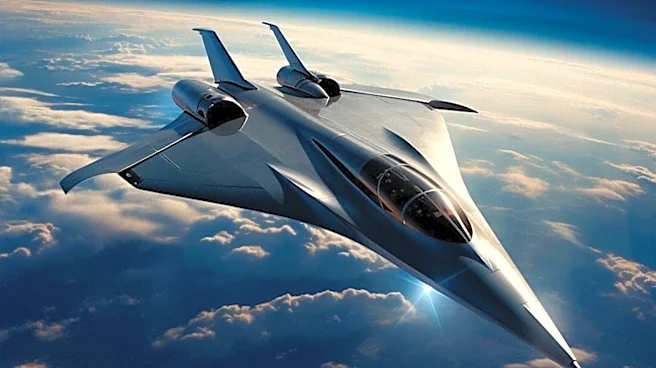
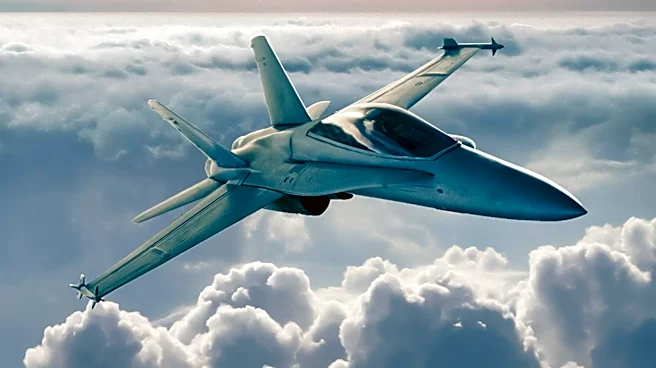
Variable Cycle Engines (VCEs) are emerging as a pivotal technology in the development of sixth-generation fighter jets, offering a blend of fuel efficiency and high performance. These engines can adjust their bypass ratio to switch between modes optimized
for endurance and combat, effectively acting as a dual-purpose power plant. General Electric's XA100 is a leading example, incorporating a third airflow stream to enhance fuel economy and thermal management. This technology not only extends the range and loiter time of aircraft but also reduces their thermal signature, enhancing stealth capabilities. European nations are also developing similar technologies, ensuring propulsion remains central to air superiority.
Why It's Important?
The advancement of VCEs represents a significant leap in aviation technology, addressing the dual demands of efficiency and performance in modern aerial combat. By enabling aircraft to operate more efficiently across various flight profiles, VCEs can reduce operational costs and environmental impact while enhancing mission capabilities. This technology is crucial for maintaining air superiority in an era where stealth and endurance are increasingly important. The development of VCEs also has potential applications in civil aviation, promising engines that offer both reduced fuel consumption and faster travel.
Beyond the Headlines
The integration of advanced materials and digital engineering techniques in VCE development highlights a broader trend towards more sustainable and efficient aviation technologies. As nations invest in these capabilities, the competitive landscape of military aviation is likely to shift, with propulsion technology playing a key role in future air combat strategies. The potential crossover of VCE technology into commercial aviation could also drive significant changes in the industry, promoting greener and more cost-effective air travel.