








What's Happening?
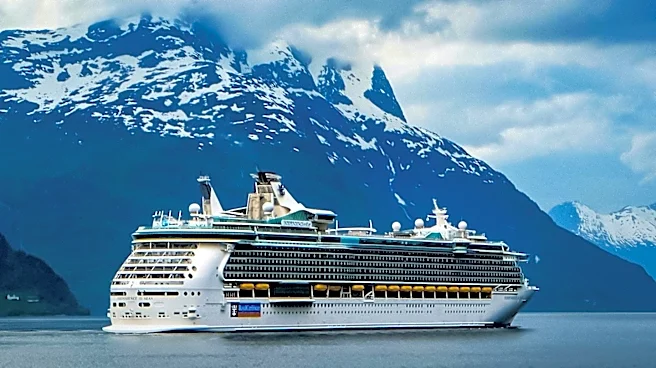
Vancouver, Canada, has emerged as a leading cruise departure point in North America, particularly for Alaska-bound itineraries. The city's robust cruise facilities are designed to accommodate a high volume of passengers, attracting travelers from North America, Europe,
and Asia. This strong marine tourism appeal is further enhanced by Vancouver's strategic connection to the broader Pacific Northwest region. Visitors arriving by cruise ship can easily access a diverse range of attractions, including urban centers, Indigenous cultural experiences, scenic mountain landscapes, and various coastal excursions. The city's waterfront plays a central role in international tourism, serving as both a departure point and a base for exploration. Its unique geographical location, nestled between mountains and the ocean, allows tourists to seamlessly combine cruise travel with cultural activities, outdoor adventures, and regional coastal explorations. This development underscores Vancouver's growing importance in the global cruise industry.
Why It's Important?
Vancouver's rise as a dominant cruise departure hub has significant implications for the U.S. tourism industry, particularly for Alaska. As a primary gateway for Alaska cruises, Vancouver directly influences the flow of international and domestic tourists to the U.S. state. This benefits Alaskan port cities and local businesses that cater to cruise passengers, including tour operators, retail establishments, and hospitality services. The city's ability to attract a diverse international clientele, including European and Asian travelers, expands the market reach for Alaska's tourism sector. Furthermore, Vancouver's integrated approach to tourism, combining cruise travel with broader regional attractions, sets a precedent for other North American cities looking to enhance their marine tourism offerings. The success of Vancouver's model could encourage U.S. coastal cities to invest further in their cruise infrastructure and develop more comprehensive tourism packages, fostering economic growth and job creation in the sector.
What's Next?
Vancouver is expected to continue developing its role as a global cruise departure hub, with ongoing investments in marine infrastructure and regional coastal tourism links. This will likely involve further enhancements to its cruise facilities to support increasing passenger volumes and accommodate larger vessels. The city will also likely continue to leverage its connection to the Pacific Northwest, promoting integrated travel experiences that combine cruise itineraries with land-based explorations of urban attractions, Indigenous cultural sites, and natural landscapes. Efforts will probably focus on attracting more luxury travel segments and expanding its reach in international markets. Additionally, the emphasis on sustainable marine tourism practices will likely grow, with ports and tourism authorities focusing on cleaner operations and environmental management to ensure the long-term viability of the industry. This could include adopting more eco-friendly technologies and promoting responsible visitor behavior.
Beyond the Headlines
The success of Vancouver's cruise industry highlights a broader trend in global tourism: the increasing demand for integrated and experiential travel. Travelers are no longer content with single-destination trips but seek comprehensive experiences that combine multiple facets of culture, nature, and adventure. Vancouver's model, which seamlessly blends cruise travel with urban exploration, Indigenous cultural immersion, and outdoor activities, caters directly to this evolving preference. This approach also underscores the economic power of regional tourism partnerships, where cities and surrounding areas collaborate to offer a more compelling and diverse visitor experience. Furthermore, the focus on sustainability within Vancouver's marine tourism sector reflects a growing global consciousness among travelers and industry stakeholders regarding environmental impact. This shift towards responsible tourism could influence policy decisions and investment strategies in other major cruise destinations, including those in the U.S., as they strive to balance economic growth with ecological preservation and cultural authenticity.