








What's Happening?
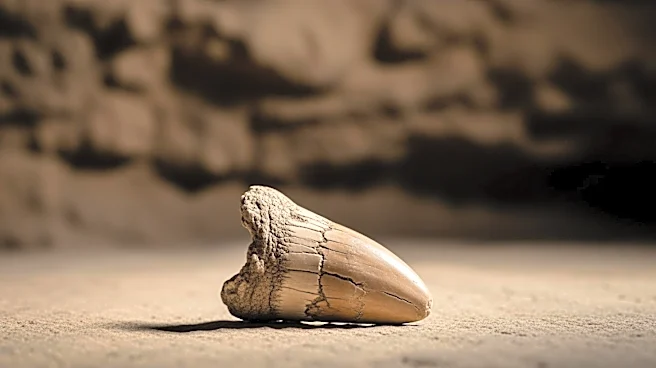
A study published in the Journal of Human Evolution has revealed that Neanderthals used rhinoceros teeth as tools during the Middle Paleolithic period, approximately 300,000 to 40,000 years ago. Led by Alicia Sanz-Royo and colleagues from the Muséum National
d'Histoire Naturelle in Paris, the research analyzed rhino teeth from caves in Spain and France, finding markings consistent with human activity. Dental microwear analysis confirmed these marks were made post-mortem, indicating the teeth were used as tools. The study suggests Neanderthals strategically chose older rhinos for their teeth, which were more worn and thus more useful as tools.
Why It's Important?
This discovery provides new insights into Neanderthal intelligence and adaptability, challenging previous assumptions about their technological capabilities. The use of rhino teeth as tools indicates strategic thinking and resourcefulness, traits often associated with modern humans. Understanding Neanderthal tool use can shed light on their daily lives and survival strategies, contributing to a more comprehensive picture of human evolution. It also highlights the importance of interdisciplinary research in uncovering the complexities of ancient human behavior.
What's Next?
Future research may focus on further exploring the extent of Neanderthal tool use and the specific techniques they employed. This could involve experimental archaeology to recreate and test the functionality of these tools. Additionally, researchers may investigate other potential materials used by Neanderthals, broadening our understanding of their technological repertoire. Such studies could also inform discussions on the cognitive abilities of Neanderthals and their similarities to modern humans.