





What's Happening?
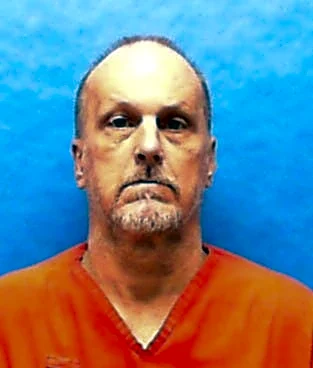
Jeffrey Weisheit, an Indiana death row inmate, is requesting a two-week delay of his November 5 execution date to allow for brain scans and the presentation of additional evidence to Governor Mike Braun for clemency consideration. Weisheit's attorneys
argue that evidence regarding his brain injuries, mental illness, and childhood trauma was not adequately developed or presented during his original trial and appeals. They are seeking to obtain new magnetic resonance imaging (MRI) and positron emission tomography (PET) scans, along with expert analysis, to provide Governor Braun with a more comprehensive understanding of his impairments. A federal judge previously approved funding for the testing but stated she lacked the authority to order prison officials to transport Weisheit for the scans. Consequently, his attorneys have filed emergency motions with the Indiana Supreme Court to direct prison officials to transport him to a medical imaging center and postpone his execution and clemency proceedings.
Why It's Important?
This case raises significant legal and ethical questions surrounding capital punishment, particularly concerning the role of mental health and brain injury evidence in clemency decisions. The attorneys' argument that crucial evidence was not fully presented during earlier proceedings highlights potential flaws in the judicial process and the importance of ensuring all relevant information is considered before an execution. Governor Braun's decision on clemency will be informed by the Indiana Parole Board's recommendation, and the requested brain scans could provide new insights into Weisheit's mental state and the origins of his behavior. This situation also underscores the ongoing debate about the fairness and thoroughness of legal proceedings in death penalty cases, especially when new scientific or medical evidence could alter the understanding of a defendant's culpability or capacity. The outcome could influence future clemency requests and the standards for evidence presentation in capital cases.
What's Next?
The Indiana Supreme Court will consider the emergency motions filed by Weisheit's attorneys, which request a directive for his transportation for brain scans and a postponement of his execution to November 19. The Indiana Parole Board is scheduled to interview Weisheit and hear public testimony, with a deadline for written clemency materials approaching. Governor Braun will have the final say on clemency, following the parole board's recommendation. This case also comes amid separate questions regarding Indiana's lethal injection preparations, with officials stating they intend to proceed with Weisheit's execution despite concerns raised by other states. The legal team is also expected to pursue further challenges to the execution method and potentially file additional stay requests related to post-conviction proceedings. The outcome of these motions will determine whether Weisheit receives the opportunity to present the new medical evidence before his scheduled execution.
Beyond the Headlines
The request for brain scans delves into the complex intersection of neuroscience, law, and ethics. The defense's argument that brain abnormalities may have predated the crimes and influenced Weisheit's behavior challenges traditional notions of criminal responsibility and punishment. This case highlights the evolving understanding of how brain injuries and mental illness can impact an individual's actions and decision-making. The debate over whether such evidence should be considered more thoroughly in capital cases reflects a broader societal discussion about rehabilitation versus retribution, and the potential for scientific advancements to inform legal judgments. Furthermore, the logistical challenges of transporting an inmate for specialized medical testing underscore the practical complexities inherent in death penalty cases, where every procedural detail can have profound implications for life and death.