





What's Happening?
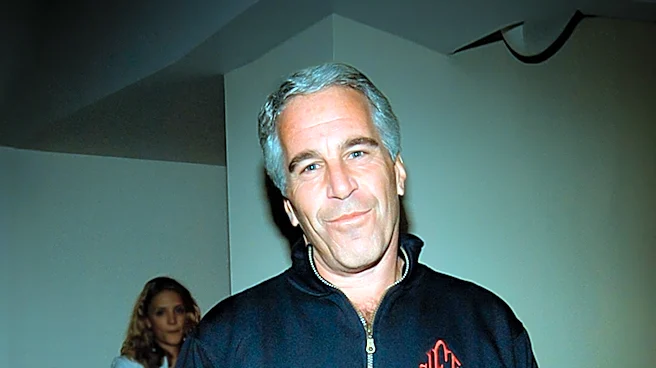
Lawmakers are scrutinizing former President Bill Clinton's past relationship with convicted sex offender Jeffrey Epstein and his associate Ghislaine Maxwell. Flight logs from Epstein's private jets indicate that Clinton was listed on 26 flight 'legs'
between 2002 and 2003, primarily for international trips related to the Clinton Foundation. While no flight records show Clinton traveling to Epstein's private island, an Epstein survivor, Virginia Roberts Giuffre, claimed to have met Clinton on the island. However, both Maxwell and Epstein consistently denied Clinton ever visited Little St. James. Maxwell, convicted on sex trafficking charges in 2021, stated in an interview with Deputy Attorney General Todd Blanche that she, not Epstein, had a friendship with Clinton and encouraged Epstein to support Clinton's nonprofit. Clinton's presidential campaign received a $1,000 donation from Epstein in 1992, and Epstein contributed $20,000 to a joint fundraising committee with the Democratic Party and Hillary Clinton in 1999. The Clinton Foundation also received a $25,000 donation from an Epstein-related foundation in 2006. White House visitor logs show Epstein visited the White House 17 times between 1993 and 1995 during Clinton's presidency. Clinton has maintained he did not associate with Epstein after accusations of wrongdoing surfaced and had no knowledge of his criminal activities.
Why It's Important?
The ongoing scrutiny of former President Clinton's connections to Jeffrey Epstein and Ghislaine Maxwell is significant due to the severe nature of Epstein's crimes and the high-profile individuals associated with him. This situation raises questions about the vetting processes for donors and associates of public figures, as well as the potential for individuals with illicit intentions to gain access to influential circles. The involvement of a former U.S. President in such discussions can impact public trust in political institutions and leaders. For the Democratic Party, these revelations, even if indirect, could become a point of contention, potentially affecting public perception and future political narratives. The continued investigation into Epstein's network underscores the broader societal concern regarding sex trafficking and the accountability of those who may have facilitated or overlooked such activities. The differing accounts from individuals like Giuffre and Maxwell highlight the complexities and challenges in uncovering the full scope of Epstein's operations and the extent of his connections.
What's Next?
The ongoing inquiries by lawmakers suggest that further details regarding the interactions between former President Clinton, Jeffrey Epstein, and Ghislaine Maxwell may continue to emerge. The House Oversight Committee has already released documents, including a letter attributed to Clinton in Epstein's 50th birthday book, indicating a continued focus on these connections. Future developments could include additional testimonies, release of more documents, or further investigations into the extent of Epstein's influence and network. The legal and political ramifications for individuals associated with Epstein's circle are likely to persist, potentially leading to renewed calls for transparency and accountability. Public interest in the case remains high, and any new information could trigger further media coverage and public debate, influencing political discourse and potentially shaping public opinion regarding the conduct of public figures and their associations.
Beyond the Headlines
Beyond the immediate political and legal implications, the continued focus on Jeffrey Epstein's network, including his connections to prominent figures like former President Clinton, highlights deeper societal issues. It underscores the vulnerability of institutions to manipulation by wealthy and powerful individuals, and the challenges in holding such individuals accountable. The case also brings to light the ethical considerations surrounding the acceptance of donations and associations by public figures, emphasizing the need for rigorous due diligence. The differing narratives from various individuals involved, such as Virginia Roberts Giuffre's claims versus Ghislaine Maxwell's statements, illustrate the complexities of memory, perception, and potential motivations in high-stakes legal and public relations battles. This ongoing saga contributes to a broader conversation about power dynamics, justice for victims, and the mechanisms by which illicit activities can be concealed within elite circles, prompting a re-evaluation of transparency and ethical standards in public life.