





What's Happening?
Meteorologists are forecasting a cooler-than-usual May for much of the United States, particularly in the Midwest and eastern regions, due to a dip in the jet stream. This cooler pattern is expected to shift by the third week of May, leading to a warmer
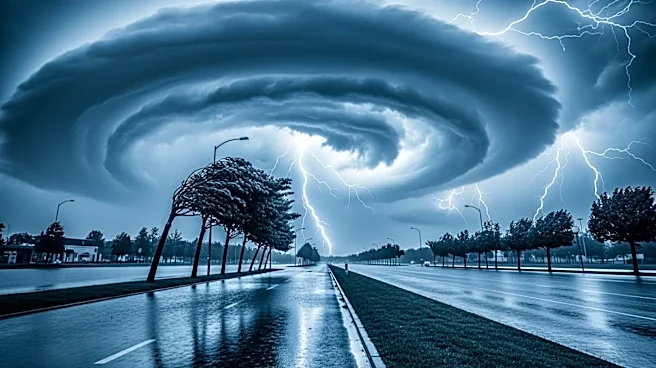
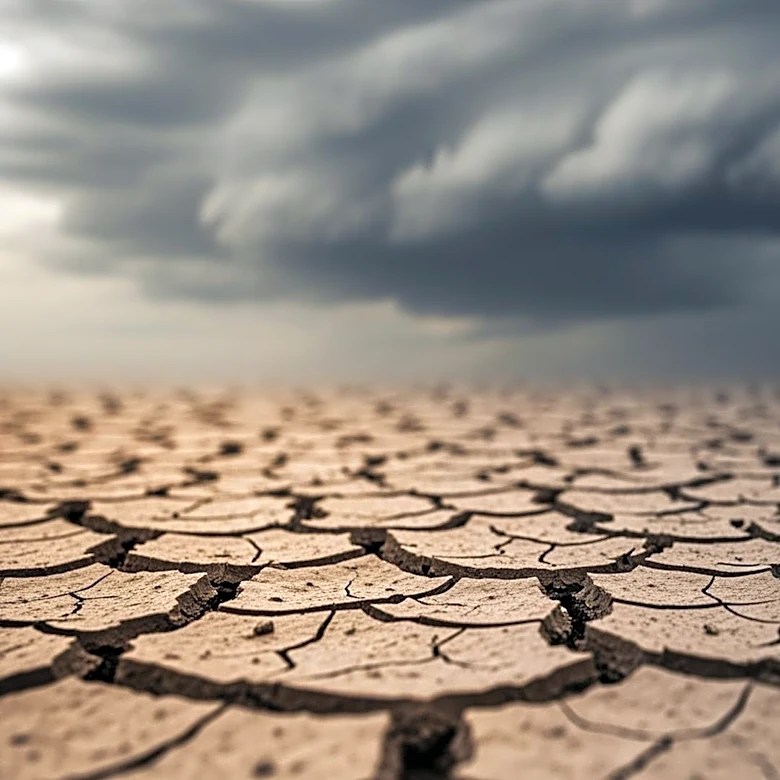
summer. The Climate Prediction Center's outlook suggests above-normal temperatures for the majority of the country from May to July. The West Coast, especially the Pacific Northwest, is already experiencing above-average temperatures, with a quicker transition to summer-like conditions. AccuWeather predicts a summer of weather extremes, including heat waves in the West and South, flash flooding from Texas to the Ohio Valley, and worsening drought in the Northwest and Great Basin.
Why It's Important?
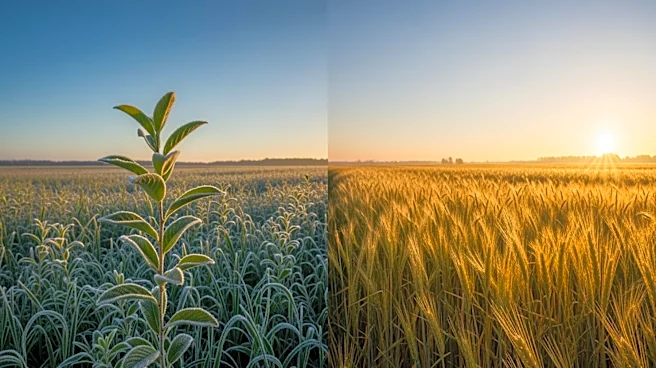
The forecasted weather patterns have significant implications for various sectors. Cooler temperatures in May could delay agricultural planting and affect energy consumption patterns. The anticipated summer heat waves and droughts could strain water resources, increase wildfire risks, and impact public health. The predicted weather extremes highlight the need for preparedness in affected regions, particularly in managing water resources and mitigating wildfire risks. The economic impact could be substantial, affecting agriculture, energy, and insurance industries.
What's Next?
As the cooler weather pattern shifts, regions across the U.S. should prepare for the onset of summer heat. This transition may require adjustments in energy management and agricultural practices. Emergency services and local governments in areas prone to heat waves and droughts will need to enhance their preparedness plans. The insurance industry may also see changes in risk assessments and premium adjustments in response to the predicted weather extremes.