





What's Happening?
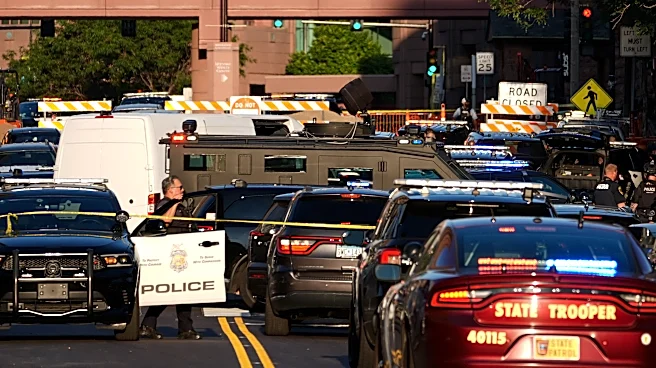
A federal grand jury has indicted Christian Castro, an ICE officer, on charges of making false statements to the FBI regarding the January 14 shooting of Venezuelan immigrant Julio Cesar Sosa-Celis in Minneapolis. The shooting resulted in Sosa-Celis sustaining
a gunshot wound to his leg during immigration enforcement operations. This federal indictment follows state charges in Minnesota against Castro for assault and false reporting of a crime related to the same incident. Federal prosecutors had previously dropped charges against Sosa-Celis and another man, who were initially accused of assaulting an immigration officer, after video evidence suggested that ICE officers may have provided inaccurate accounts of the encounter. A separate investigation into whether Castro should face a more serious civil rights charge in the shooting is reportedly ongoing. The federal charges come a week after Castro's release from jail in Texas, despite an extradition warrant from Minnesota prosecutors.
Why It's Important?
This indictment is significant as it highlights potential accountability within federal law enforcement agencies, particularly concerning the use of force and subsequent reporting during immigration enforcement. The case underscores the critical role of video evidence in challenging official narratives and ensuring transparency in investigations involving law enforcement. The dropping of initial charges against the immigrants, coupled with the indictment of the ICE officer for lying, could impact public trust in federal agencies and their handling of immigration-related incidents. Furthermore, the ongoing investigation into a potential civil rights charge suggests a broader scrutiny of the incident's implications, which could influence future policies and training for ICE officers. The differing actions between state and federal authorities, particularly regarding Castro's extradition, also bring to light jurisdictional complexities and potential political tensions in such cases.
What's Next?
Christian Castro will face federal charges for making false statements to the FBI, in addition to the existing state charges in Minnesota for assault and false reporting. The ongoing separate investigation into whether a more serious civil rights charge will be brought against Castro is a key development to watch. The legal proceedings in both federal and state courts will determine the consequences for the ICE officer. The Department of Justice's handling of this case, especially concerning the civil rights investigation, will be closely scrutinized by civil liberties groups and the public. The outcome could influence future protocols for immigration enforcement operations and the accountability mechanisms for federal agents. The case may also prompt further discussions and potential reforms regarding the use of force and reporting requirements within ICE.
Beyond the Headlines
This case delves into the complex intersection of immigration enforcement, law enforcement accountability, and civil rights. The alleged false statements by a federal officer, particularly in a situation involving the shooting of an immigrant, raise profound ethical questions about truthfulness and integrity within government agencies. The initial accusations against the immigrants, later contradicted by video evidence, highlight the potential for misrepresentation and the vulnerability of individuals in such encounters. The political dimension, evidenced by the Texas governor's refusal to sign an extradition warrant, underscores the broader ideological divides surrounding immigration policy and federal authority. This incident could contribute to a larger national conversation about the oversight of federal agents, the rights of immigrants, and the role of transparency in maintaining public trust in law enforcement institutions.