






What's Happening?
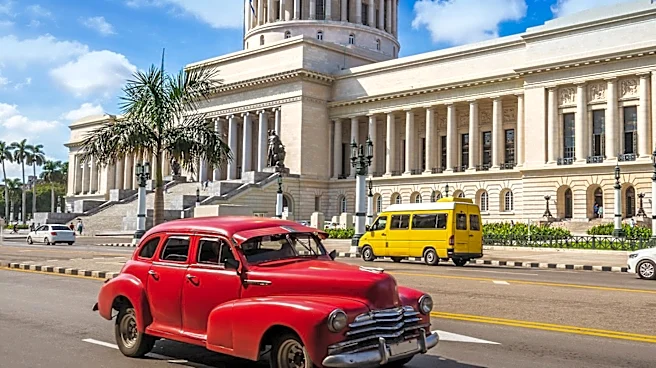
Canadian tourism to Cuba has experienced a significant decline, as evidenced by the sales figures of Durham Travel, an agency in Courtice, Ontario. The agency reported over 389,000 Canadian dollars in travel sales to Cuba in 2025, which plummeted to just
24,000 dollars in 2026. This downturn contrasts sharply with the agency's sales to the Dominican Republic, which increased from approximately one million Canadian dollars in 2025 to nearly 1.3 million in the first part of 2026. Statistics Canada data further supports this trend, showing that Canadian visitors to Cuba dropped from over one million annually before the pandemic to around 700,000 in 2025, with only 127,000 recorded in the first quarter of 2026. The crisis intensified in early 2026 due to aviation fuel shortages in Cuba, leading to flight suspensions by major airlines like Air Canada, Air Transat, and WestJet. Sunwing Vacations Group also announced an indefinite suspension of its Cuban operations on June 5th, coinciding with a U.S. deadline for foreign companies to disassociate from entities linked to Cuba's military conglomerate GAESA to avoid potential sanctions.
Why It's Important?
The drastic reduction in Canadian tourism to Cuba has significant economic implications for both countries. For Cuba, the decline has severely impacted its tourism infrastructure, with Prime Minister Manuel Marrero Cruz acknowledging that 73% of the country's hotel facilities remained closed by the end of July, affecting approximately 25,000 workers. The Gaviota Tourism Group, a part of GAESA, had only 3,470 rooms operational out of over 30,000 it claimed to own in October, representing just 11.6% of its capacity. For Canadian travelers, the shift away from Cuba means higher vacation costs, as comparable trips to alternative destinations like Mexico, the Dominican Republic, or Jamaica now cost around $1,800, compared to less than $1,400 for a seven-day package in Varadero. This forces budget-conscious travelers, who previously visited Cuba multiple times a year, to adjust their expectations and budgets for international travel. The Canadian government's recommendation to avoid non-essential travel to Cuba due to shortages of fuel, electricity, food, water, and medicine further exacerbates the situation, impacting both resort services and ground transportation.
What's Next?
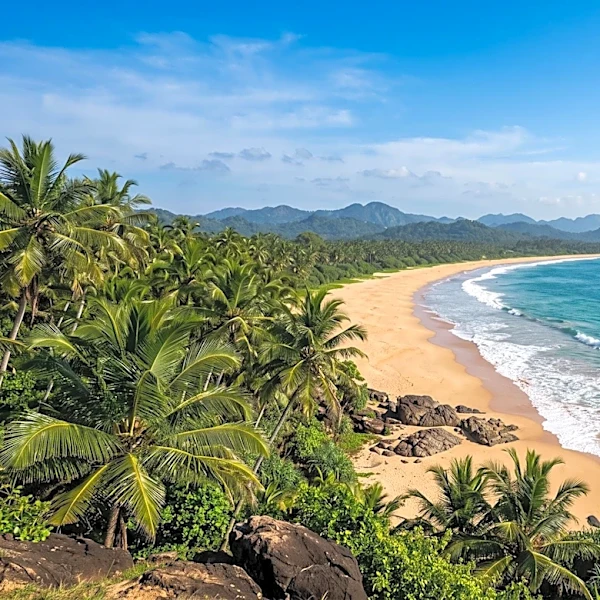
The immediate future for Cuban tourism appears challenging, with continued flight suspensions and ongoing shortages likely to deter international visitors. The indefinite suspension of operations by major Canadian airlines and tour operators suggests a prolonged period of reduced tourism from Canada. Travelers who previously favored Cuba are now diversifying their destinations, with Mexico, the Dominican Republic, Jamaica, Aruba, and Barbados emerging as popular alternatives, alongside Caribbean cruises and tours in countries like Costa Rica and Peru. Some Canadians are also opting for domestic tourism. The Cuban government will need to address its internal supply chain issues, particularly fuel and essential services, to regain the confidence of airlines and tourists. The impact of U.S. sanctions on foreign companies dealing with GAESA-linked entities will also continue to influence the operational decisions of international travel providers. The Canadian travel industry will likely continue to adapt by offering a wider array of destinations to meet evolving traveler demands.
Beyond the Headlines
The decline in Canadian tourism to Cuba highlights the complex interplay of economic factors, geopolitical tensions, and internal infrastructure challenges that can profoundly affect a nation's tourism sector. The U.S. sanctions targeting entities linked to GAESA underscore the broader political pressures influencing international business operations in Cuba, creating a ripple effect that impacts tourism. This situation also reveals a shift in consumer behavior among Canadian travelers, who are now more willing to explore diverse destinations and adjust to higher prices, indicating a potential long-term change in travel patterns. The reliance of Cuba's economy on tourism makes this downturn particularly severe, potentially leading to broader economic instability and social consequences for the island nation. The situation also serves as a case study on how external advisories and internal crises can rapidly dismantle established tourism markets, forcing both destinations and travel providers to undergo significant restructuring.