




What's Happening?
A recent investigation has revealed that twelve British universities have engaged Horus Security Consultancy Limited, a firm led by former military intelligence officials, to monitor student protesters and academics, particularly those expressing solidarity
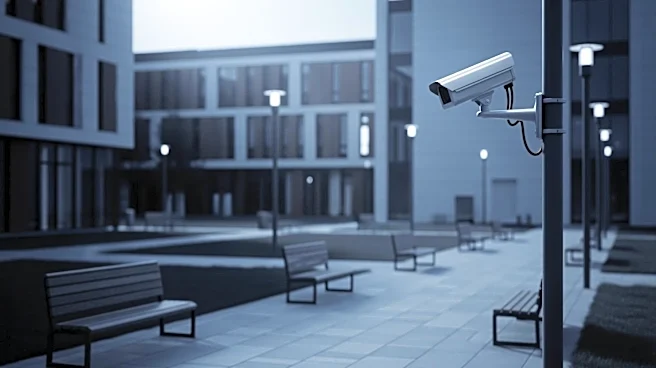
with Palestine. The firm, which has been paid at least £440,000 since 2022, conducted surveillance on social media activities and performed counter-terror threat assessments. Among those monitored were a Palestinian academic and a pro-Gaza PhD student. The universities involved include prestigious institutions such as the University of Oxford, Imperial College London, and the University of Sheffield. The investigation, conducted by Al Jazeera English and Liberty Investigates, uncovered these activities through freedom of information requests. While some universities have denied that their actions constitute surveillance, others have justified their use of Horus for identifying potential security risks.
Why It's Important?
This development raises significant concerns about privacy and the extent to which universities are willing to go to monitor student activism. The use of a private security firm to surveil students and academics could have chilling effects on free speech and protest activities on campuses. It highlights a broader trend of increased surveillance and control over student movements, particularly those related to politically sensitive issues like the Israeli-Palestinian conflict. The involvement of a firm with military intelligence ties further complicates the ethical landscape, as it suggests a militarized approach to handling campus activism. This could potentially deter students from engaging in legitimate protest activities, impacting the culture of open discourse and activism that universities traditionally support.
What's Next?
The revelations are likely to prompt further scrutiny and debate over the role of private security firms in academic settings. Universities may face pressure from student bodies, faculty, and civil rights organizations to reassess their surveillance practices and ensure they align with principles of academic freedom and privacy. There could also be legal challenges or policy reviews initiated by governmental or educational oversight bodies to address the implications of such surveillance activities. Additionally, the universities involved might need to engage in dialogue with their student communities to rebuild trust and address concerns about privacy and freedom of expression.
Beyond the Headlines
The use of AI and open-source intelligence by Horus to monitor student activities raises profound legal and ethical questions. The UN special rapporteur for freedom of peaceful assembly has expressed concerns about the disproportionate data collection and the potential misuse of such information. This situation underscores the need for clear regulations governing the use of surveillance technologies in educational institutions. It also highlights the broader societal issue of balancing security with individual rights, a challenge that extends beyond the academic sphere into other areas of public life.