


What's Happening?
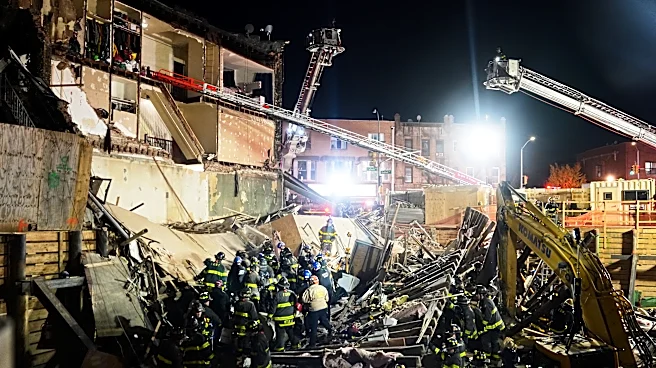
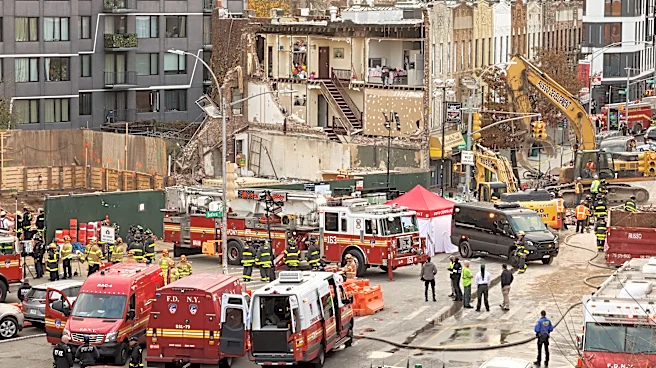
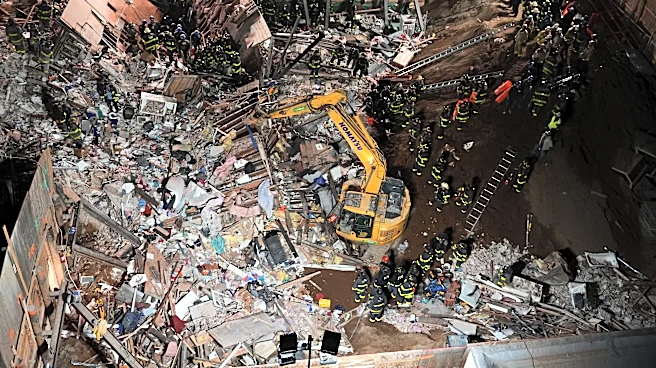
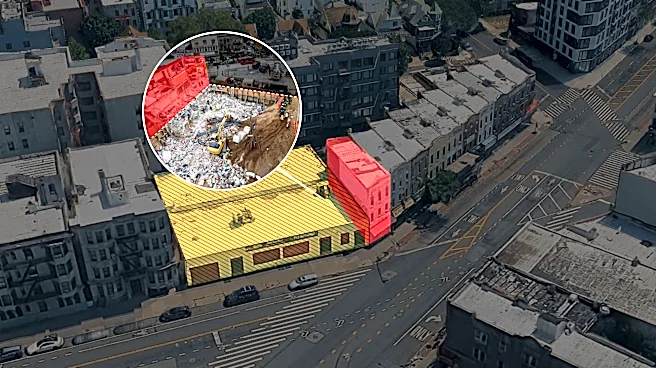
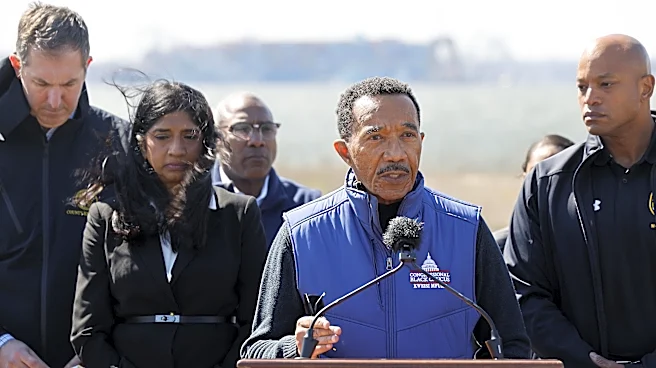
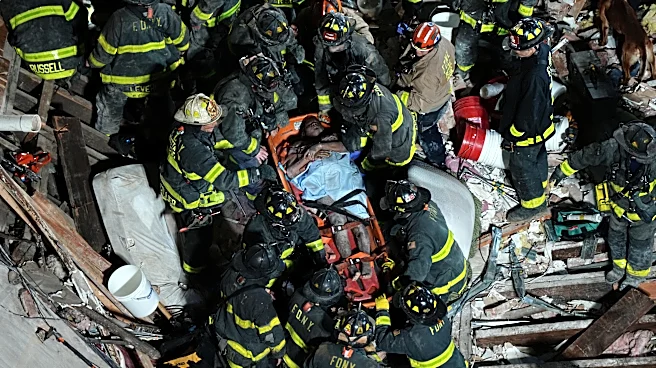
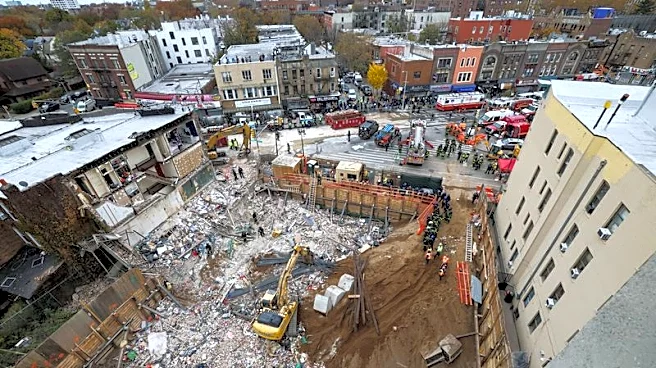
House Democratic Leader Hakeem Jeffries issued a statement regarding a building collapse in Flatbush, Brooklyn. The incident resulted in the tragic deaths of eight Brooklynites and left others wounded. Congressman Jeffries expressed his condolences to
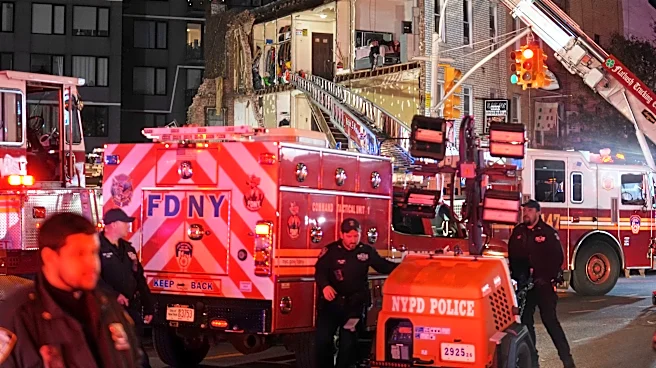
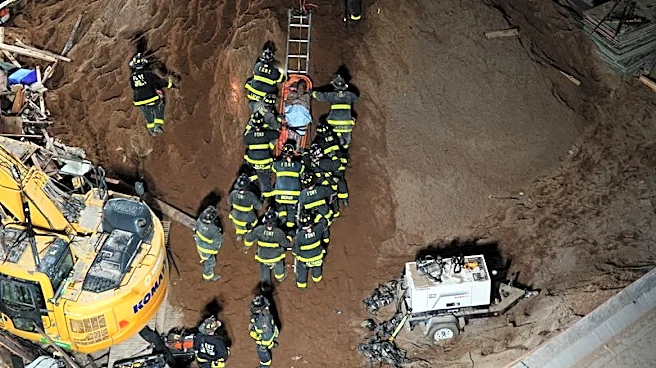
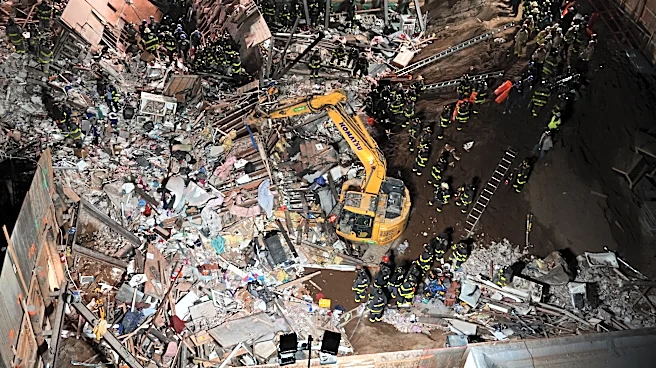
the families of the deceased and offered prayers for the recovery of those injured. He also extended gratitude to the FDNY and other first responders for their heroic search and rescue efforts under challenging conditions. Jeffries emphasized the importance of safe and structurally sound housing for the city's residents and called for a complete and thorough investigation by the Department of Buildings. The aim of this investigation is to prevent similar tragedies in the future and to hold any negligent parties fully accountable under the law.
Why It's Important?
This incident highlights critical issues surrounding urban infrastructure safety and accountability in construction and maintenance. The call for a thorough investigation by a prominent national political figure like Congressman Jeffries underscores the severity of the event and its potential implications beyond the immediate community. A comprehensive inquiry could lead to stricter building codes, enhanced inspection protocols, or more rigorous enforcement mechanisms, impacting construction and real estate industries across the U.S. The focus on holding negligent parties accountable sets a precedent for future incidents, potentially increasing legal and financial risks for developers, contractors, and property owners who fail to adhere to safety standards. This event also brings to the forefront the broader societal expectation that urban living should guarantee safe housing, influencing public trust in regulatory bodies and local governance.
What's Next?
The Department of Buildings is expected to initiate a complete and thorough investigation into the Flatbush building collapse. This investigation will likely involve forensic analysis of the structural integrity, examination of construction and maintenance records, and interviews with relevant parties. Depending on the findings, there could be legal proceedings against individuals or entities deemed negligent. Policy discussions may arise at local and state levels regarding potential amendments to building codes, inspection frequencies, and enforcement powers to prevent future occurrences. Community groups and affected families will likely monitor the investigation closely, advocating for transparency and justice. The outcome of this inquiry could influence future urban development projects and regulatory oversight in densely populated areas.
Beyond the Headlines
The Flatbush building collapse transcends a mere accident, touching upon deeper societal issues of urban development, gentrification, and the equitable distribution of safe living conditions. It raises questions about the balance between rapid urban expansion and the diligent maintenance of existing infrastructure, particularly in older neighborhoods. The incident could spark broader conversations about housing affordability and the potential for landlords or developers to cut corners on safety in pursuit of profit, disproportionately affecting vulnerable populations. Ethically, it challenges the responsibility of city planners and regulatory bodies to ensure that all residents, regardless of socioeconomic status, have access to secure housing. Culturally, such events can erode public trust in governmental oversight and lead to increased community activism demanding greater transparency and accountability in urban planning and construction.